oooo

Capturing the cosmos – how do we photography the night sky?
oooo
oooo
oooo
oooo
o
Astrophotography is the art and science of taking photographs of objects in space.
It combines photography, astronomy and technology to capture things that are often too far away or too faint for our eyes to see clearly.
o
Instead of photographing people, buildings or landscapes ~ astrophotographers photograph the universe!
oooo

BSL Version

oooo
oooo
1. What can you astrophotography?
oooo
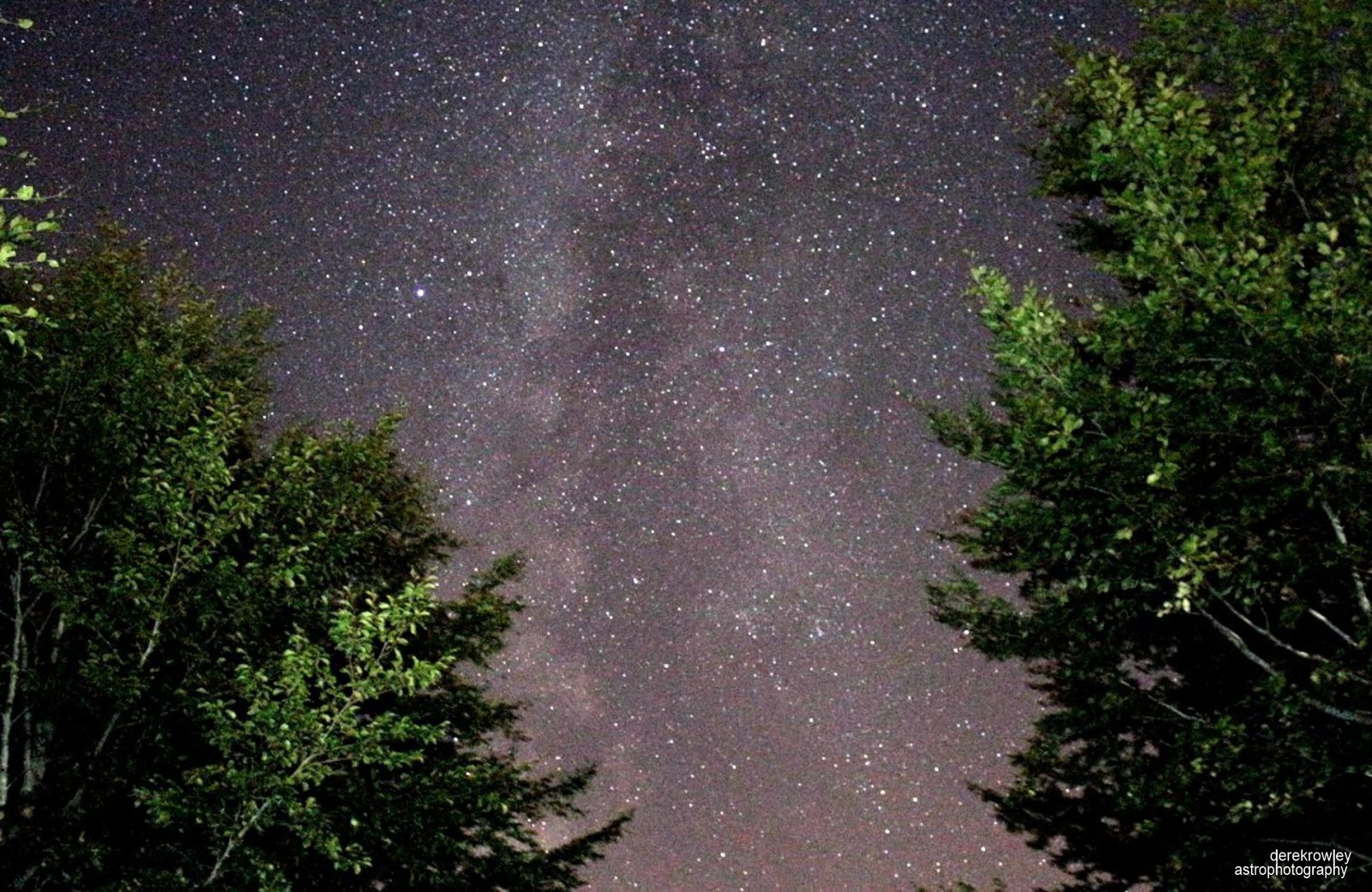
Galaxies
Huge collections of billions of stars, gas and dust.
Our home galaxy is called the Milky Way.
o
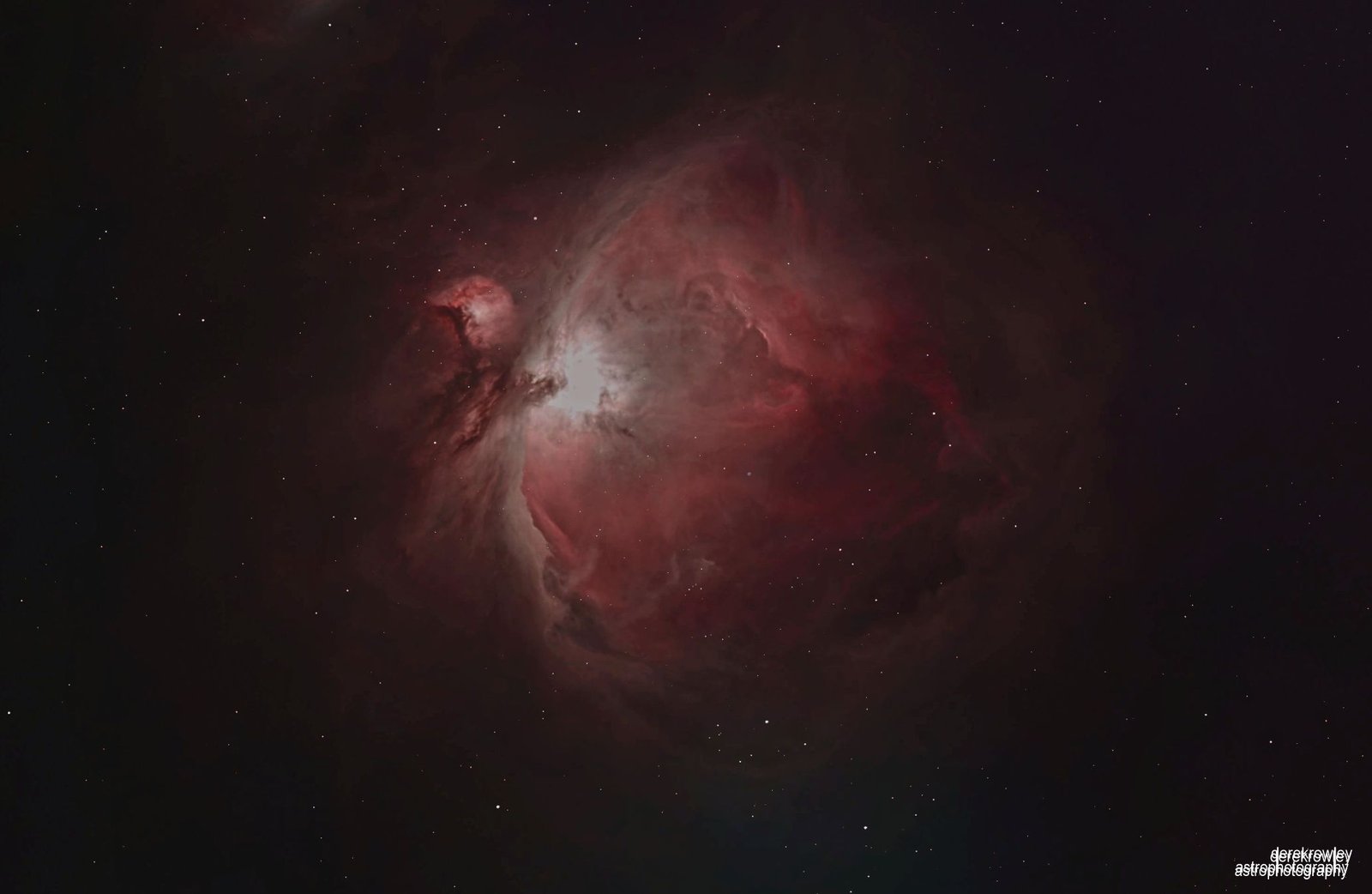
Nebulae
Giant clouds of gas and dust in space.
Some are places where new stars are born.
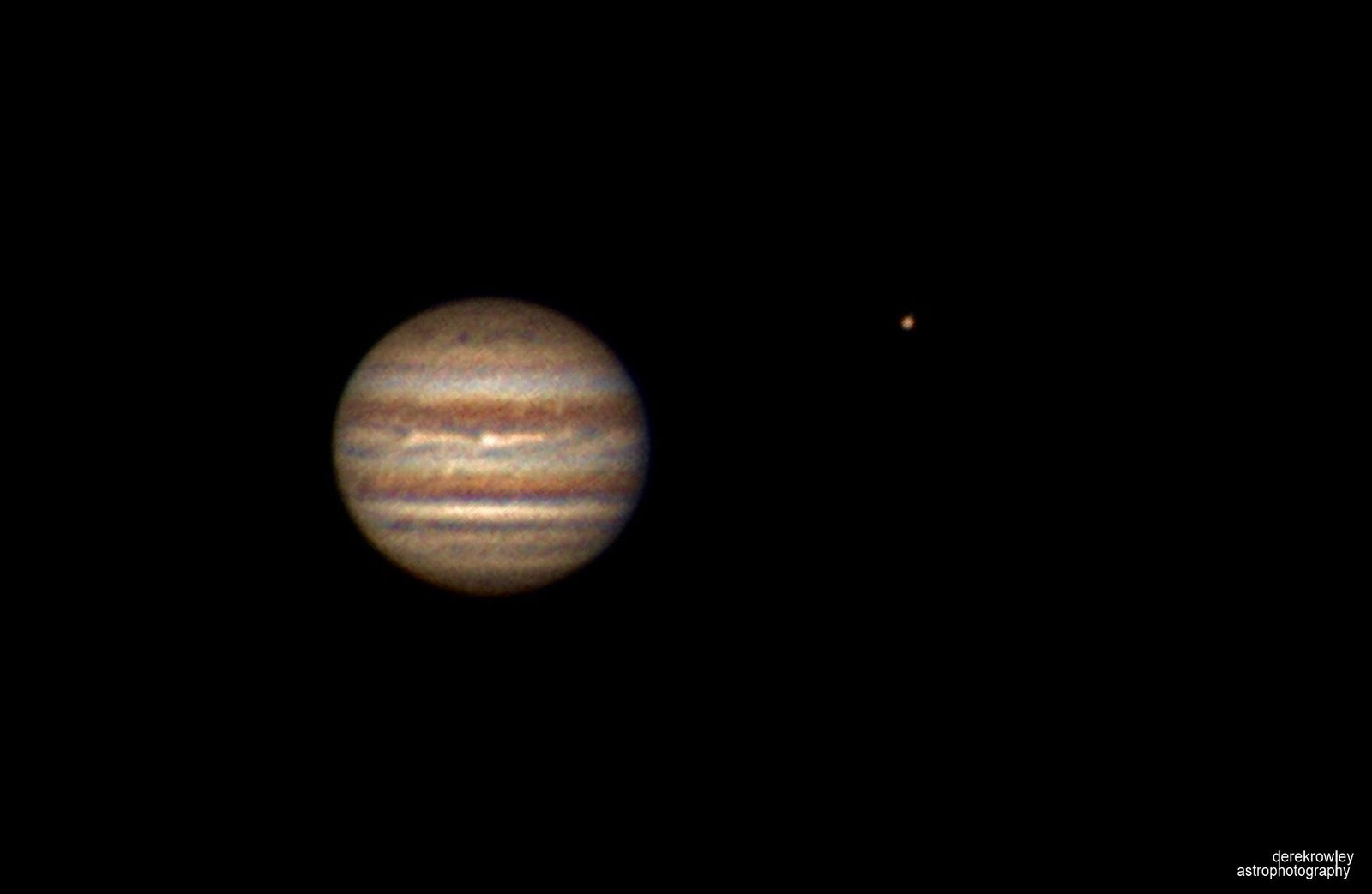
Planets
You can photograph planets such as Jupiter, Saturn and Mars using telescopes.
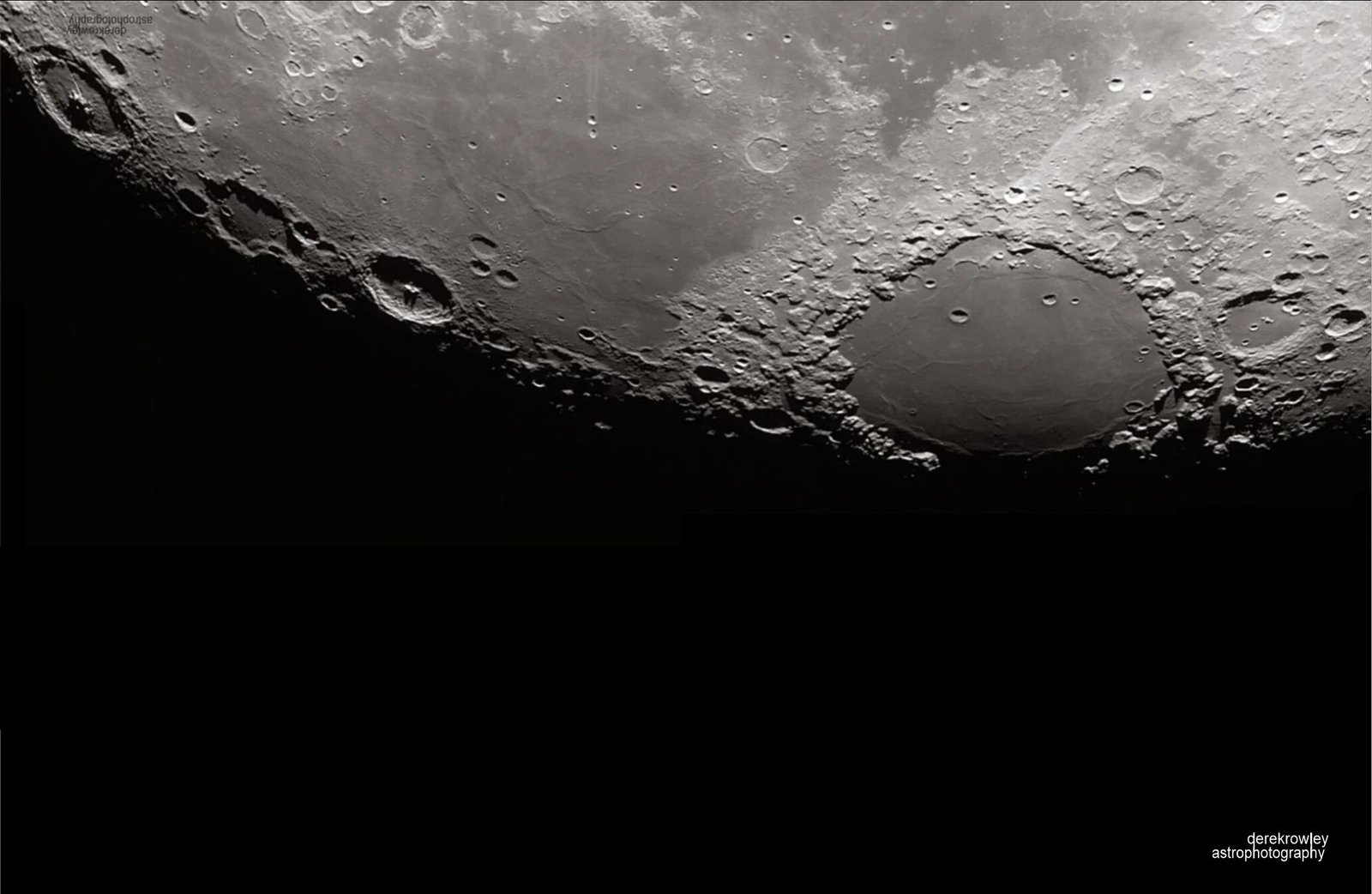
Moon
You can capture incredible details, including craters, mountains and valleys.
oooo
BSL Version
oooo
oooo
oooo
2. How does astrophotography work?
oooo
The biggest challenge is that space objects are extremely far away, so the light reaching us is often very faint.
o
Astrophotographers use a technique called long exposure photography.
o
Here’s how it works:
- Point your camera towards the night sky.
- Keep the camera completely still using a tripod or tracking mount.
- Leave the camera shutter open for several seconds or minutes.
- The camera collects light over that time.
- The photograph reveals details and colours that your eyes might not be able to see.
oooo
oooo
oooo
3. What equipment do you need?
oooo
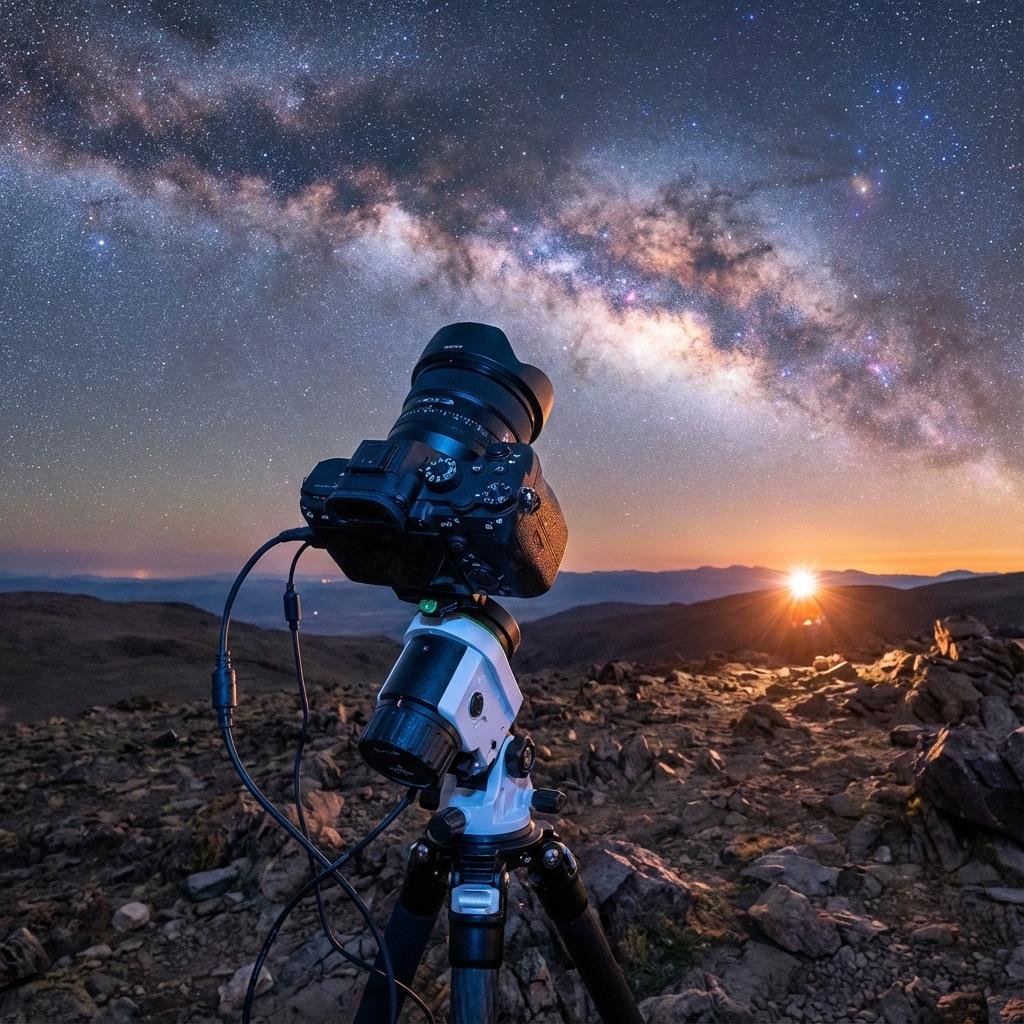
Camera
A DSLR or mirrorless camera is great for capturing stars and galaxies.
o
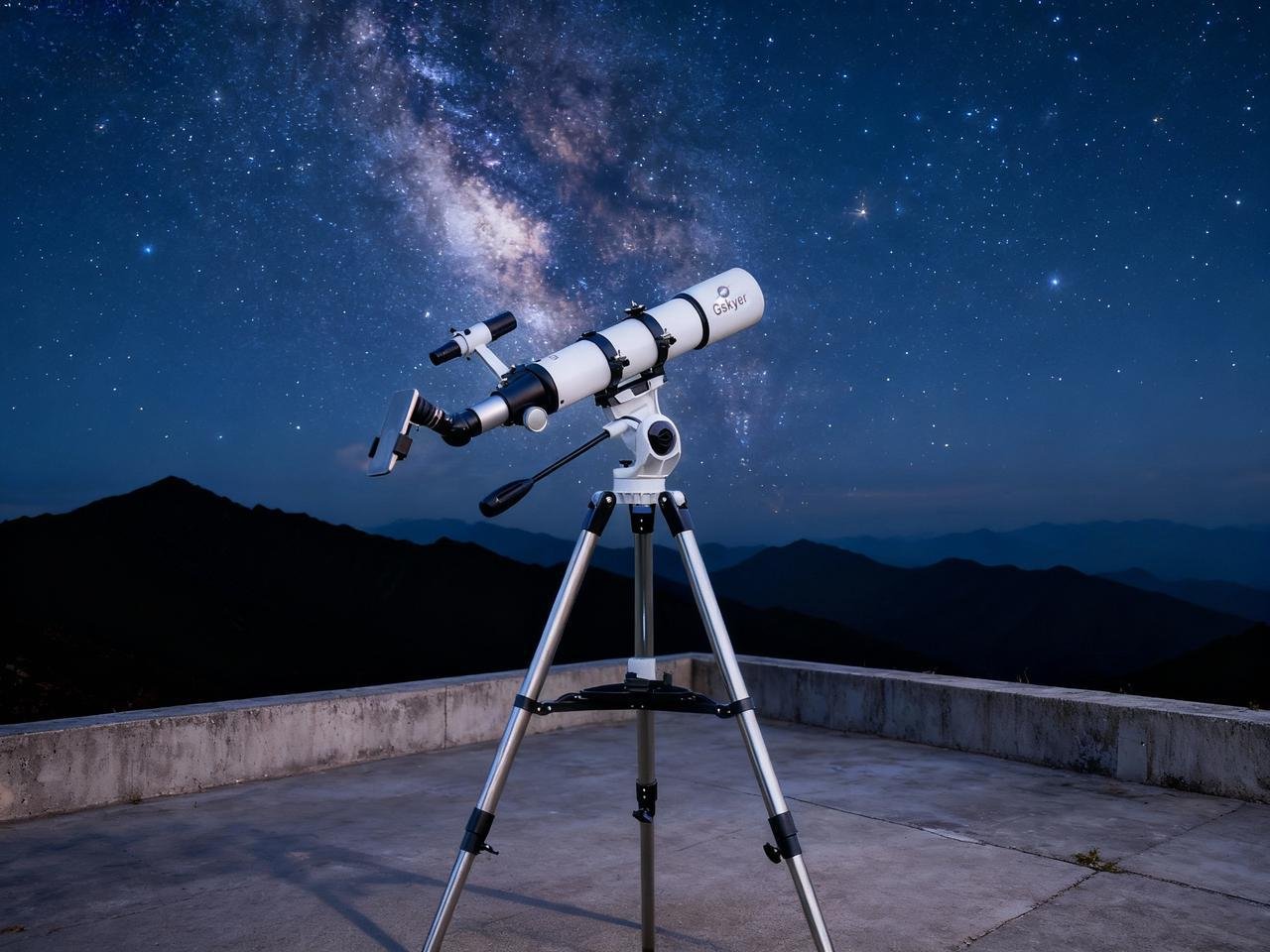
Telescope
Helps photograph distant objects such as planets and nebulae.
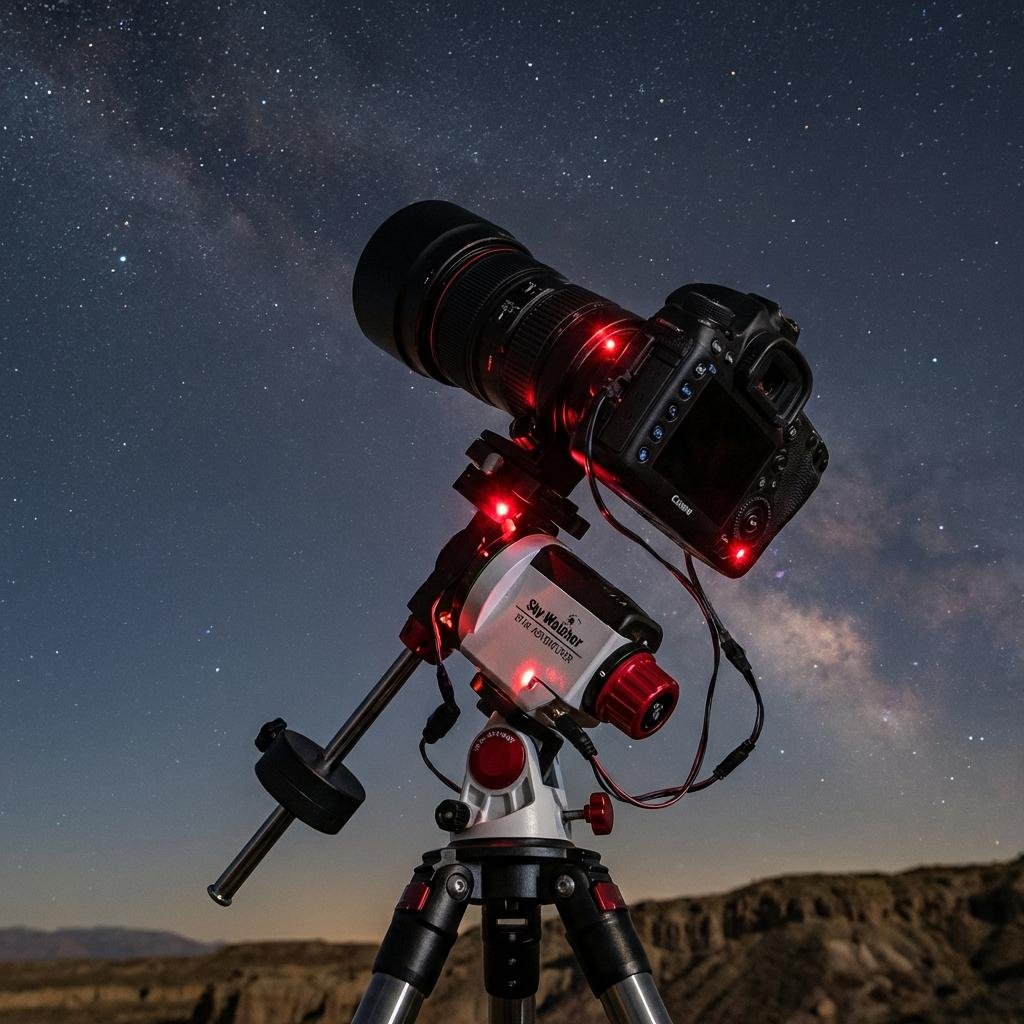
Star tracker
Follows the movement of the night sky to prevent stars appearing as streaks in long exposures.
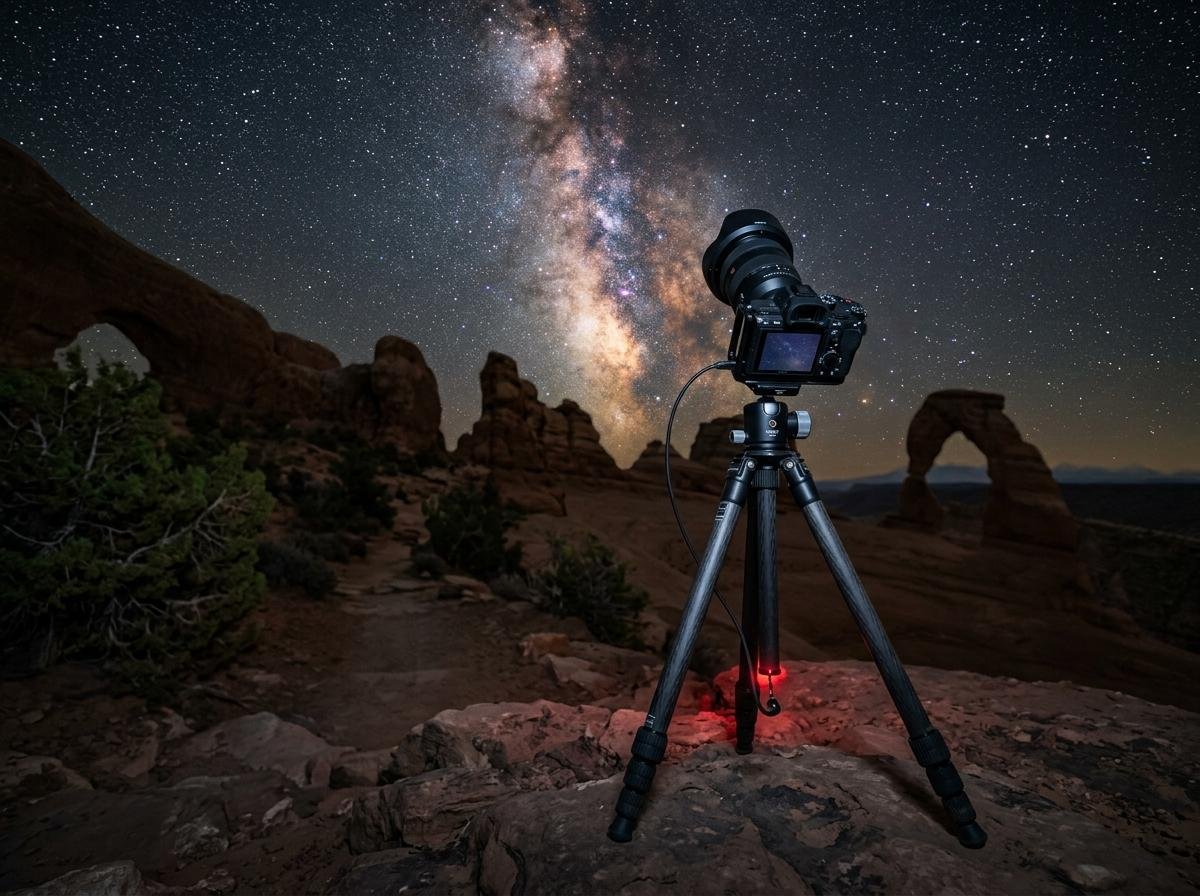
Tripod
Keeps your camera steady while taking photographs..
oooo
BSL Version
oooo
oooo
oooo
4. Why do astrophotography look so colourful?
oooo
oooo
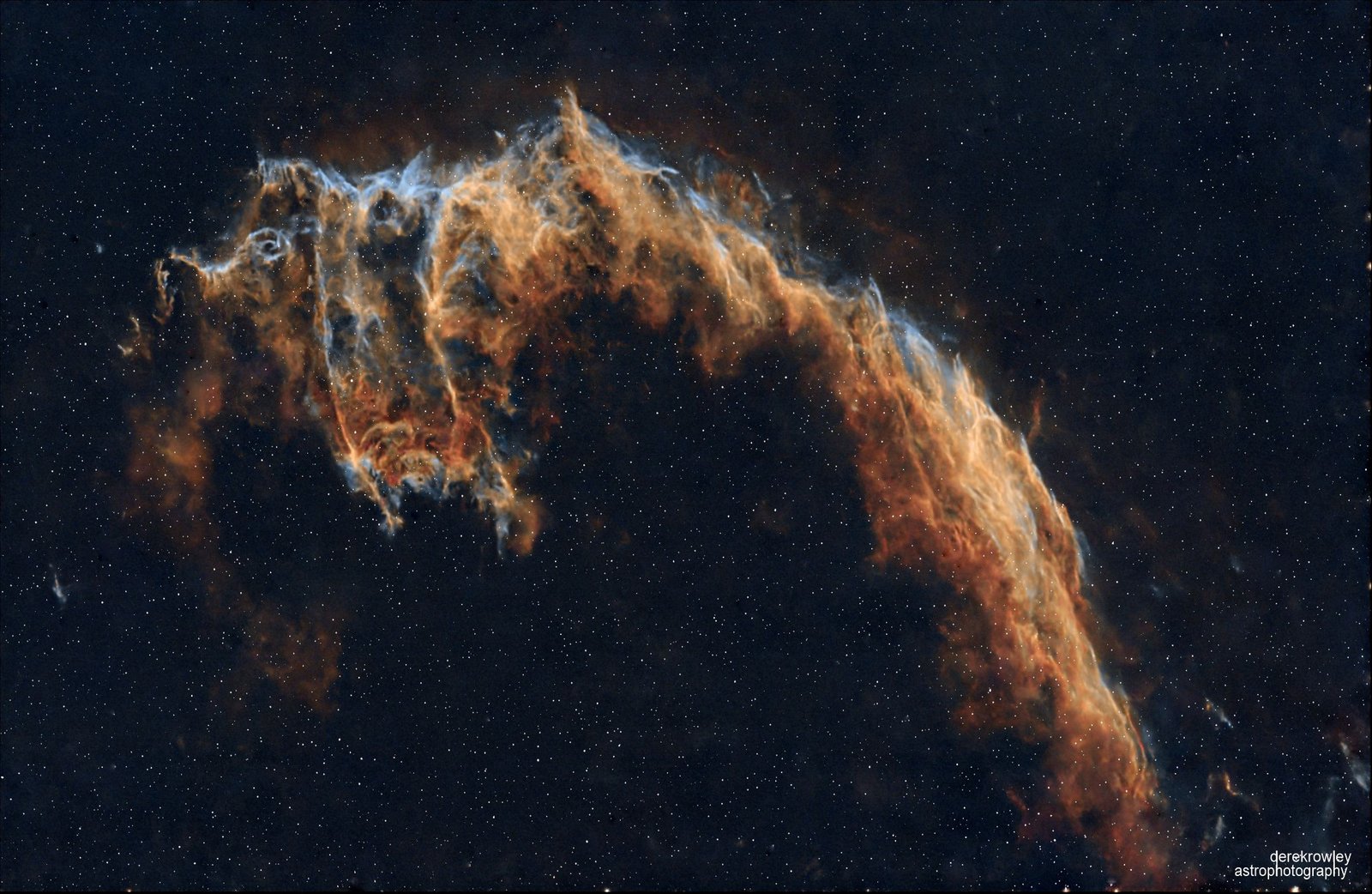
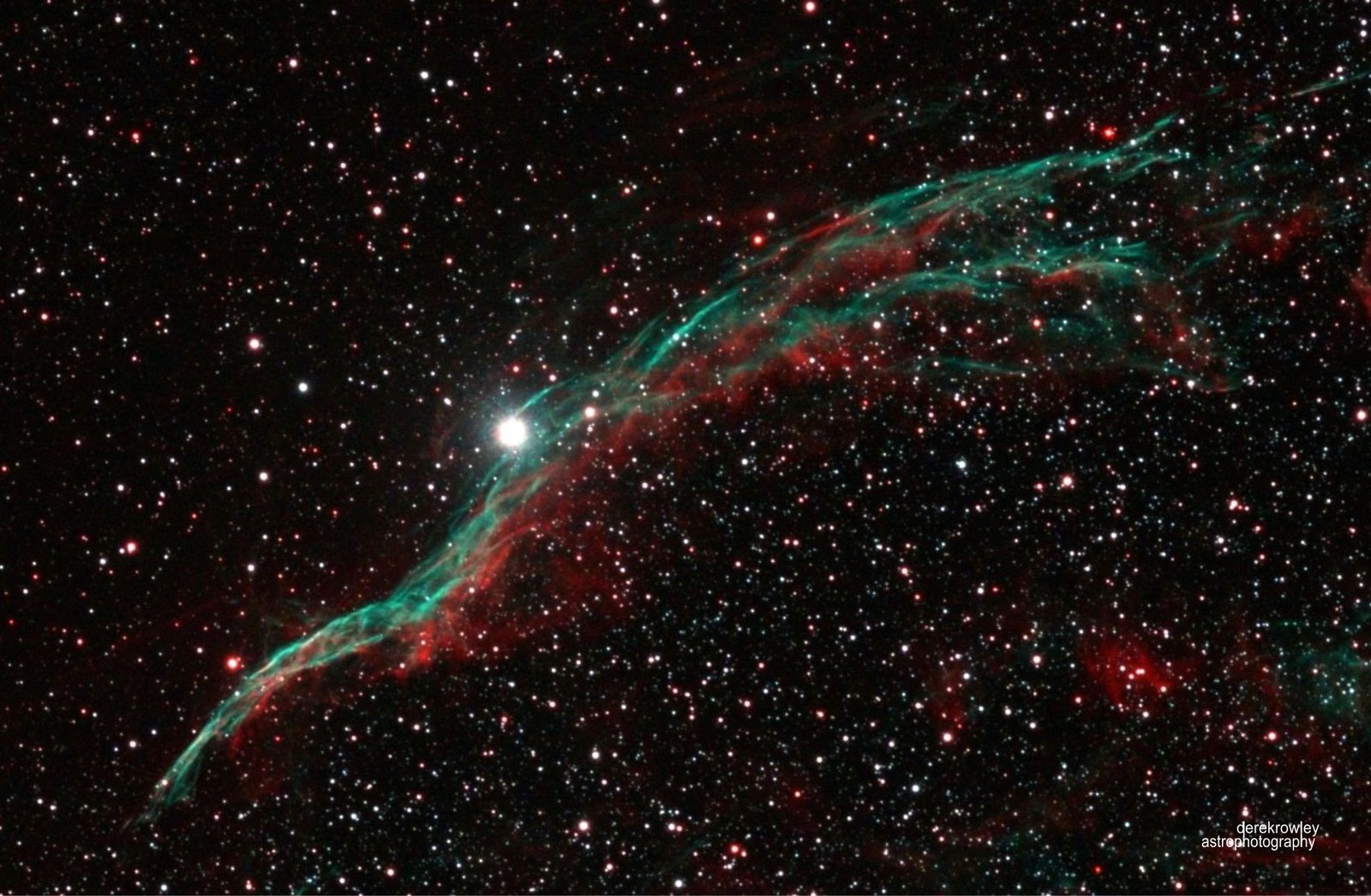
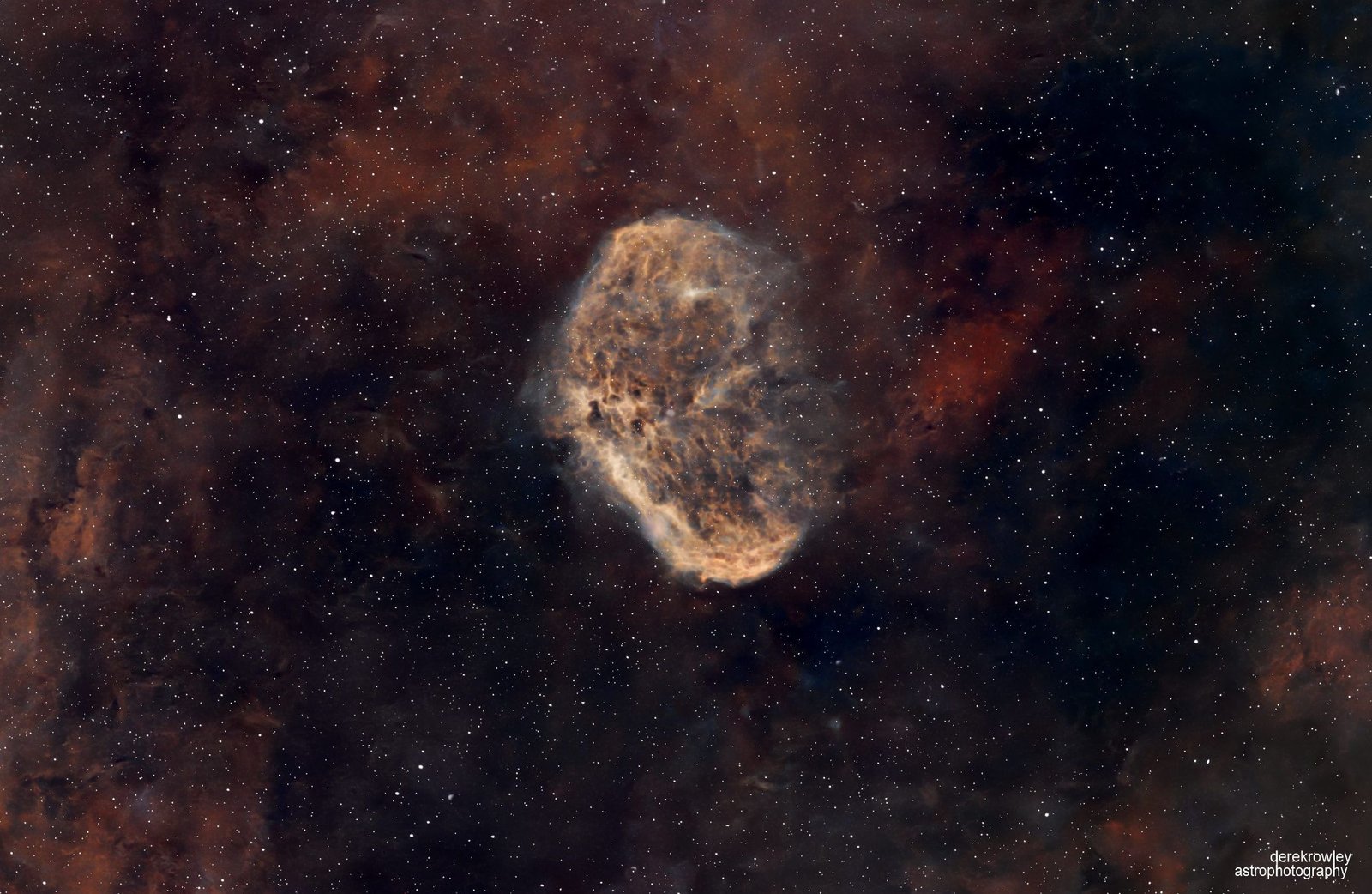
Space photographs often show beautiful brown/orange, reds, blues, purples and greens.
These colours can come from:
- Different gases glowing in space.
- Light from stars reflecting off dust.
- Different wavelengths of light.
- Image processing, which helps reveal faint details.
Astrophotographers often combine several photographs using computer software to create one detailed image. This is called image stacking.
oooo
oooo
5. Can you try astrophotography yourself?
oooo
o
Absolutely! ~ you don’t need an expensive telescope to get started.
oooo
Try this simple experiment
- Find a dark place away from streetlights.
- Choose a clear night.
- Put your smartphone on a tripod or stable surface.
- Use Night Mode or a long-exposure setting if available.
- Point it towards the stars.
- Take a picture and see what you capture!
oooo
oooo
oooo
oooo
Back to
oooo
Back to page 1
Next to page 2
oooo
oooo
Page 1 – What is Astrophotography? Derek Rowley – Derekscope’s BSL Guide to Deep-Sky Imaging