oooo
A smart telescope is an all-in-one, automated telescope.
oooo
oooo
oooo
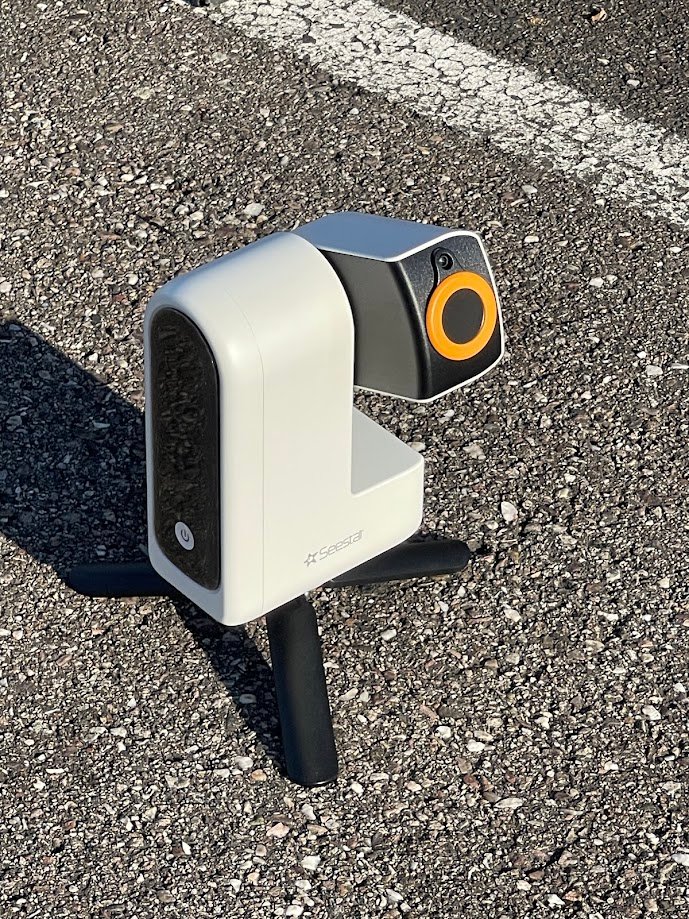
- A smart telescope (Model: SeeStar S30)
oooo

BSL Version

oooo
- A smart telescope is a computerized, automated telescope that uses built-in cameras, digital sensors, and onboard computers instead of a traditional eyepiece.
o
O - Designed to make astrophotography and stargazing accessible to everyone, they can automatically locate, track, and capture detailed images of celestial objects like nebulae, galaxies, and star clusters in minutes even from light-polluted backyards.
oooo
oooo
Compact – All-in-One
oooo
oooo
Compact, All-in-One Design:
Traditional astrophotography requires separate tracking mounts, guide scopes, camera bodies, field flatteners, cables, and external batteries.
o
o
Smart telescopes:
It package the optical tube, motorized mount, camera, and battery into a single lightweight unit.
oooo
oooo
oooo
Here are the key features that set smart telescopes apart:
oooo
oooo
oooo
oooo
App-Controlled Setup:
Most smart telescopes do not require manual alignment or a deep knowledge of the night sky.
o
You connect to them via a smartphone or tablet app, and they use GPS, internal compasses, and plate-solving (scanning the stars to determine their exact orientation) to self-align in just a few minutes.
oooo
oooo
oooo
oooo
oooo
Electronic Eyepiece / App Viewing
o
o
Electronic Eyepiece
Instead of looking through a glass lens.
App Viewing:
You view live, high-resolution colour images directly on your phone, tablet, or sometimes a digital eyepiece.
oooo
oooo
oooo
oooo
Live Stacking:
o
Traditional astrophotography requires long exposures, tracking mounts, and hours of complicated computer processing.
o
Smart telescopes automatically take a rapid series of short exposures and “stack” them together in real-time, pulling out faint colours and details of deep-sky objects right before your eyes.
oooo
oooo
oooo
oooo
oooo
Portability:
o
Because they rely on smaller, highly optimized optics (often smart refractors or computerized reflectors) and integrated battery packs, they are significantly lighter and easier to transport than traditional setup gear.
oooo
oooo
oooo
Key Features That Define Smart Telescopes
oooo
Smart Telescopes vs. Traditional Telescope
| Feature | Smart Telescope | Traditional Visual Telescope |
| Viewing Method: | Digital Screen (Phone/Tablet) | Glass Eyepiece (Direct visual observing) |
| Setup Time: | 2 – 5 minutes (Fully automated) | 15 – 45 minutes (Manual alignment & levelling) |
| Primary Use: | Astrophotography & EAA (Electronically Assisted Astronomy) | Real-time optical viewing, lunar/planetary detail |
| Learning Curve: | Extremely low | Moderate to high |
| Experience: | Automated framing & image capture | Hands-on stargazing and sky hopping |
oooo
oooo
oooo
oooo
oooo
Popular Smart Telescopes on the Market
oooo
ZWO Seestar:
For example: Seestar S50 / S50 Pro / S30 / S30 Pro – widely popular entry-level options known for high value, compact size, and user-friendly mobile app interface.
o
Vaonis (Vespera series & Stellina):
Sleek, premium smart refractors focused on automated wide-field deep-sky imaging and sleek industrial design.
o
Unistellar (eVscope / Odyssey series):
High-end smart reflector telescopes, some featuring digital eyepieces that project the live stacked image directly to your eye for a hybrid viewing experience.
oooo
oooo
Popular examples on the market include models from brands like
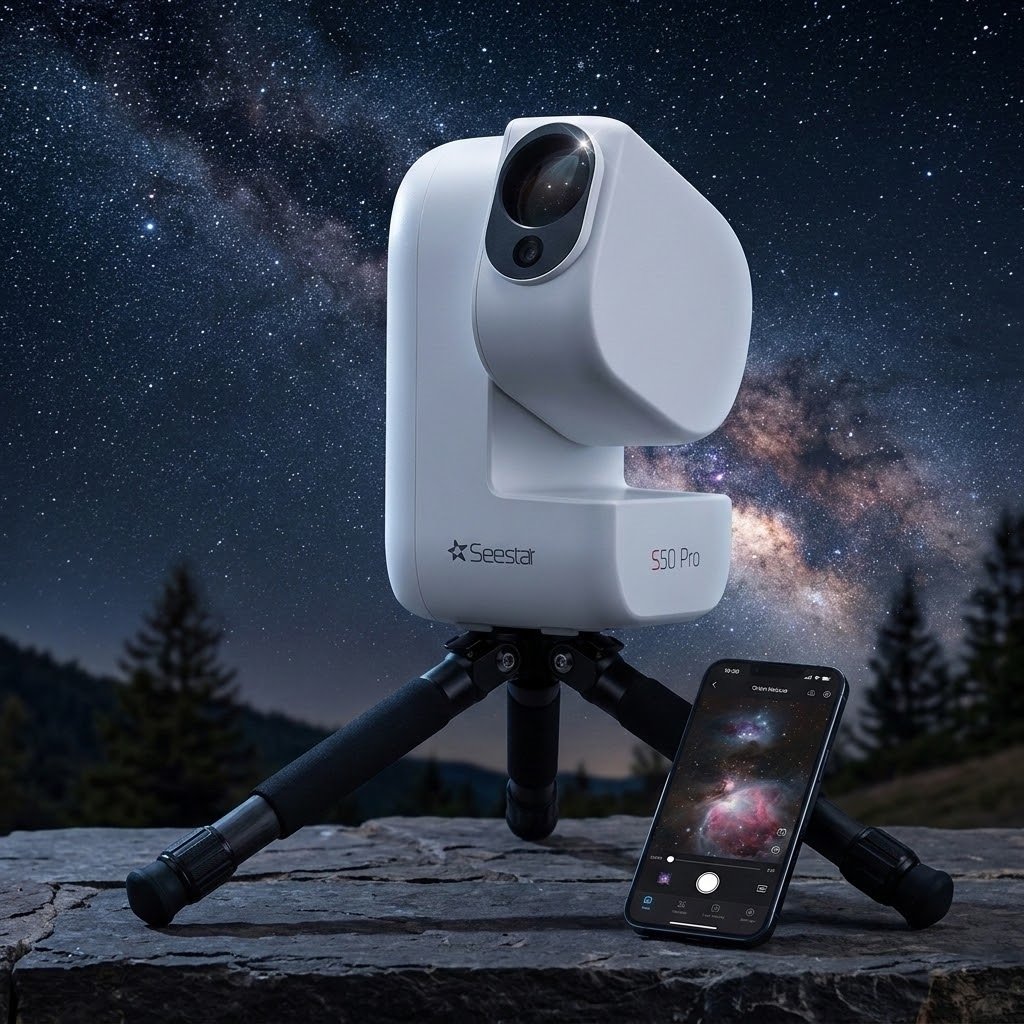
ZWO (Seestar)
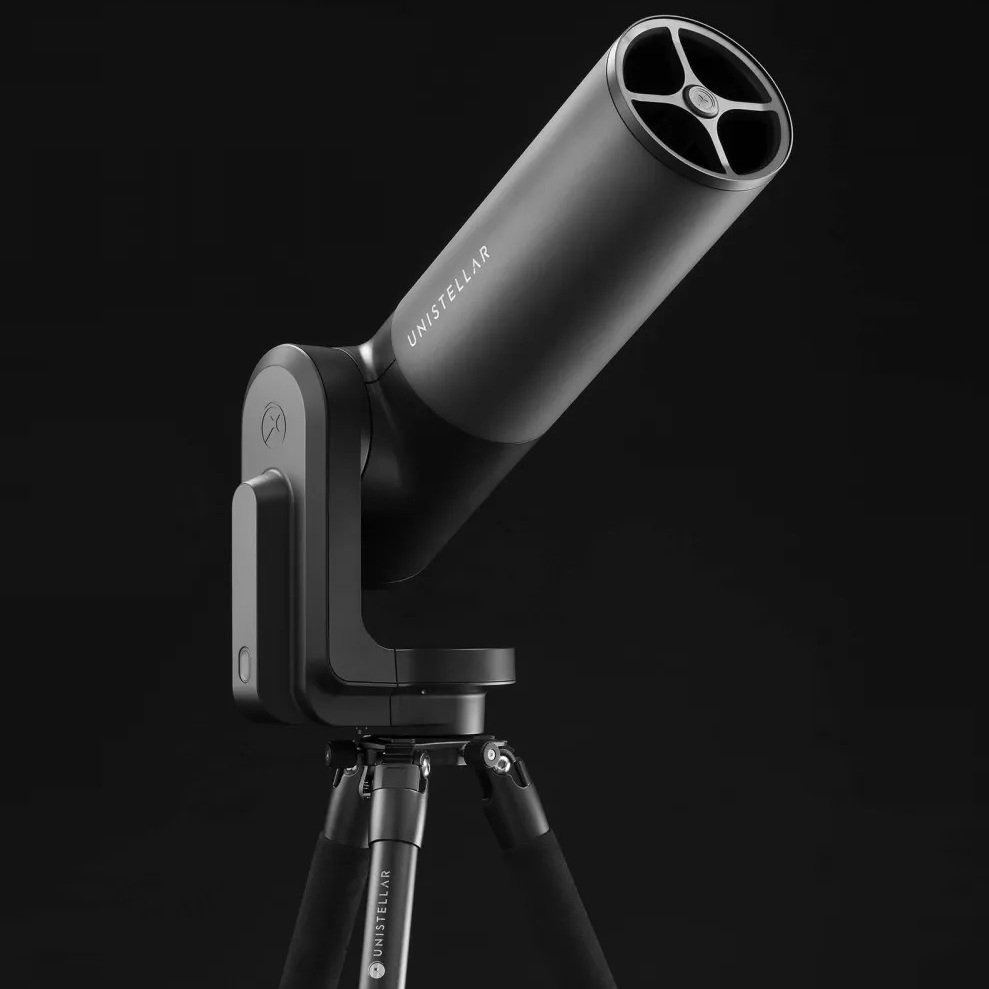
Unistellar (eVscope)
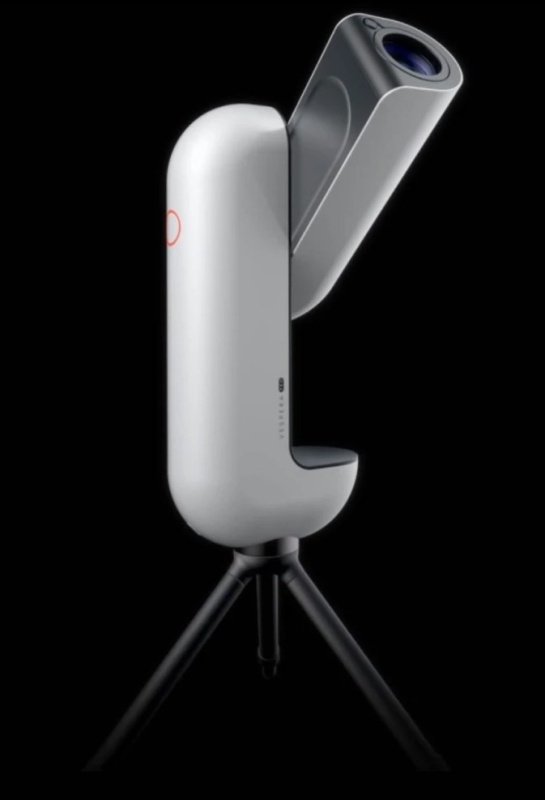
Vaonis (Vespera).
oooo
oooo
Back to
oooo
Back to page 17
Next to page 19
oooo
Page 18 – What is a smart telescope? Derek Rowley – Derekscope’s BSL Guide to Deep-Sky Imaging
oooo
oooo