oooo
The Human Eye
(Natural limitations)
v
The Camera
(Long exposure)
oooo
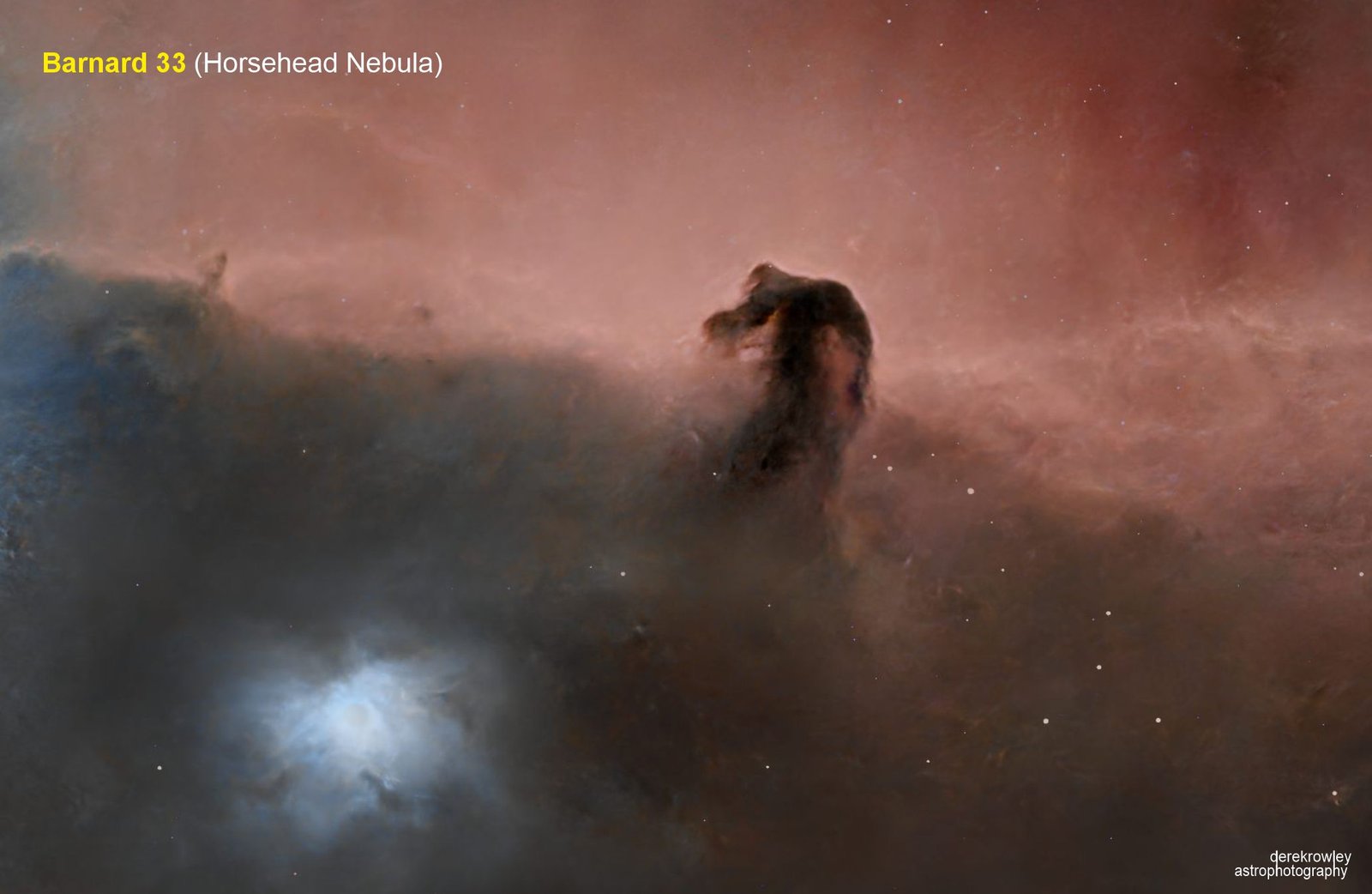
Cameras catch details in the night sky that our eyes miss because they can keep their shutters open much longer, gathering more light over time and using sensors that are more sensitive than the human retina.
oooo
oooo
oooo
Cameras can capture details in the night sky
that our human eyes simply cannot see for a few key reasons:
oooo
oooo
oooo
oooo
Long Exposure Times:
o
Unlike the human eye, which continuously records a real-time stream of video at roughly 24 to 30 frames per second, a camera can keep its shutter open for seconds, minutes, or even hours.
o
This allows light from faint, distant nebulae and galaxies to continuously accumulate on the camera sensor over time.

BSL Version

oooo
oooo
oooo
Light Accumulation and Integration:
o
Because the camera gathers photons over an extended exposure, it can build up an image of deep-sky objects that remain completely invisible to our eyes, which can only process the tiny fraction of light hitting the retina in an instant.
oooo
oooo
oooo
Sensor Sensitivity:
o
Modern astronomical and DSLR/mirrorless sensors are exceptionally sensitive to light—including wavelengths just beyond human visual perception (such as near-infrared or hydrogen-alpha emissions, depending on the camera modifications or filters used).
oooo
oooo
oooo
oooo
oooo
oooo
oooo
Back to
oooo
Back to page 1
Next to page 3
oooo
Page 2 – Why the camera sees more than we do Derek Rowley – Derekscope’s BSL Guide to Deep-Sky Imaging