




Wednesday 21st October 2026

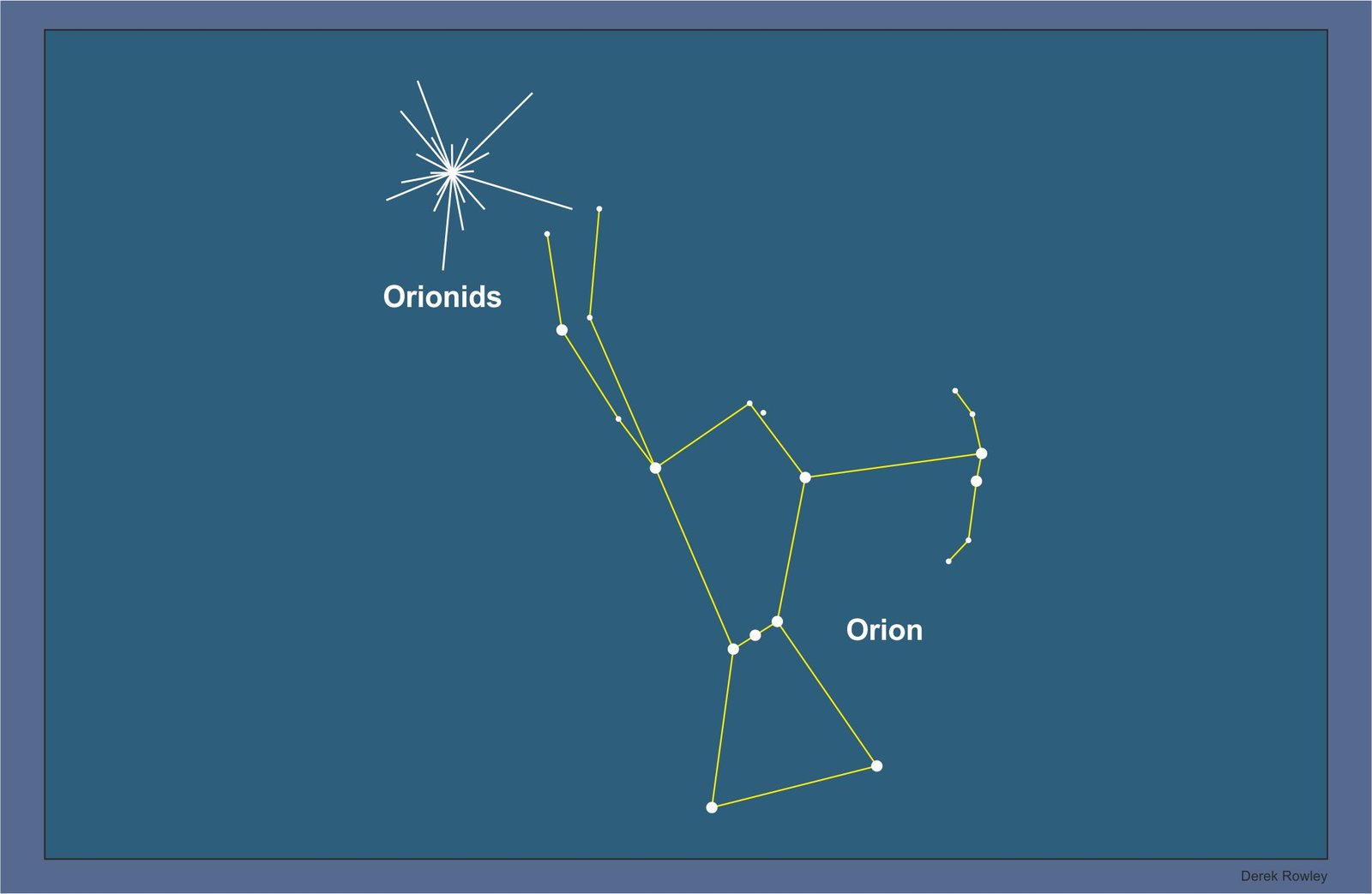
Orionids

  • The Orionids are one of the most spectacular annual meteor showers, created by debris left behind by Halley’s Comet as Earth passes through its trail.
    o
  • For the best chance of seeing them, find a dark location away from city lights, allow your eyes time to adjust, and look towards a wide area of the sky.
    o
  • No telescope is needed – just patience and clear skies!
  • Orioninds Meteor Shower 2026
    o
    – Beginning to ending date: 2nd October to 7th November
    – Peak Date: 21st October
    – Rating: Strong
    – Zenith Hourly Rate (ZHR): around 20 per hour
    – Radiant Position: RA: 06h 24m / DEC: +15°
    – Degrees: 096º  (Face: East)
    – Comet: Comet 1P/Halley
    – Note: Fast meteors, many with trains / Good in 2006.
    o
Posted in Homepage (Posts) | Comments Off on Wednesday 21st October 2026

Wednesday 21st October 2026

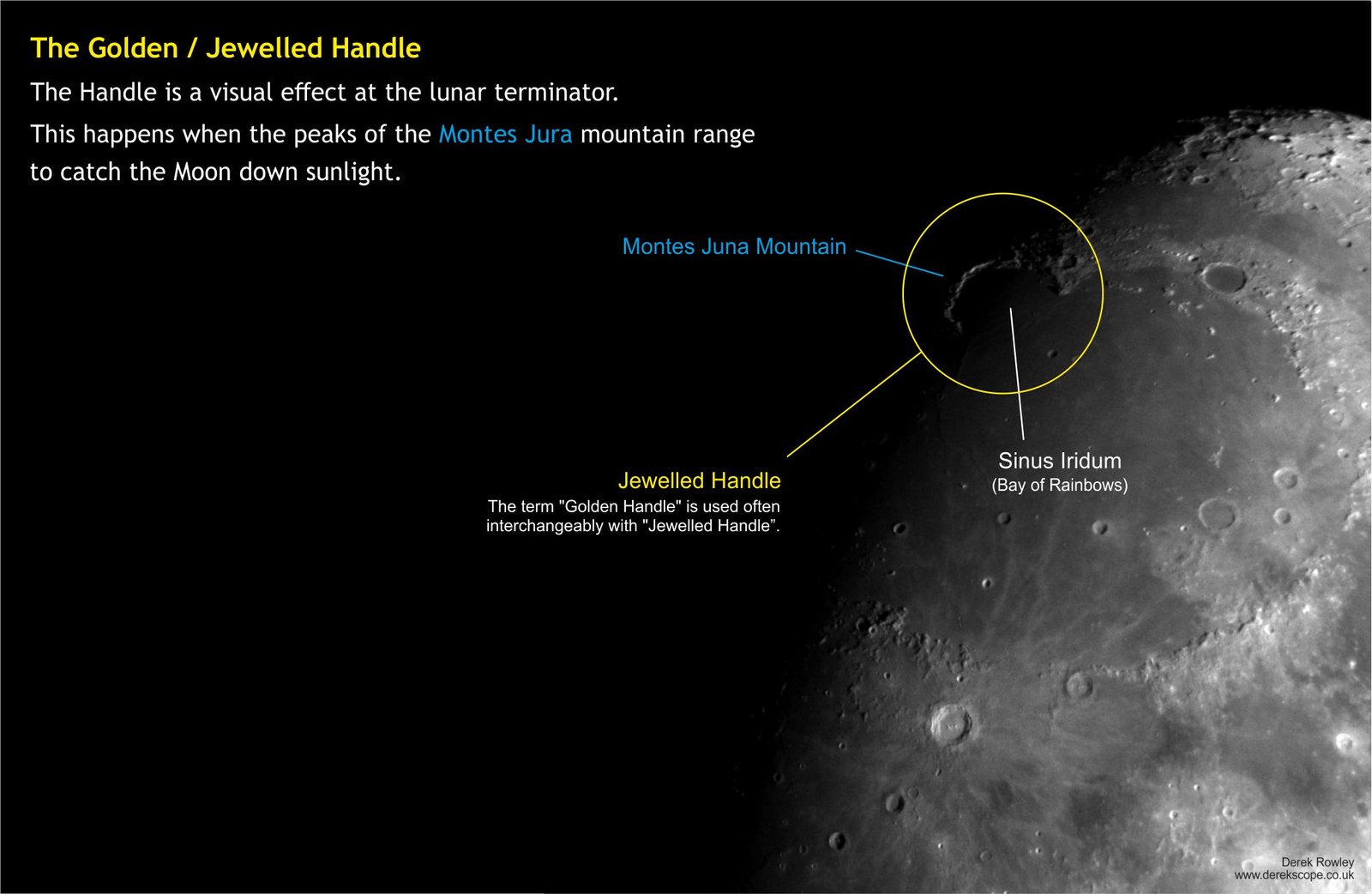
The Moon’s Jewelled Handle

(Photo above The Jewelled Handle ~ Image by Derek Rowley)
o

  • The Jewelled Handle or Golden Handle
    The Moon’s Golden Handle is visible from the UK once each lunar month, roughly 2-4 days after First Quarter Moon, when the Sun grazes the Montes Jura and lights their peaks while Sinus Iridum is still in darkness ~ this creates the bright “handle” effect along the terminator.
    o
  • After the First Quarter Moon (half-moonlit), the Moon increases towards the Full Moon in the waxing gibbous phase ~ the time when the Jewelled handle shines brightest.
    o
  • This effect is only visible for a few days each month ~ roughly 2-4 days after the first quarter Moon.
    o
  • Equipment
    You will need a small telescope or binoculars (8×42 or 10×50) are enough to show the arc beautifully.
    o
    o

Posted in Homepage (Posts) | Comments Off on Wednesday 21st October 2026

BDAA’s event – Report & Photos

British Deaf Astronomical Association
oooo
Autumn Equinox Sky Camp
Monday 4th October – Monday 12th October 2026
oooo
Weybourne, North Norfolk

oooo
oooo

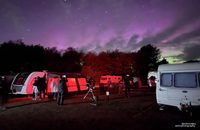
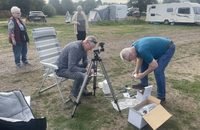
  • We’ve published our report covering this year’s outreach activities.
    o
  • Take a look at what we achieved together and enjoy the photos from our events.
    o

Click here to read
the report and view the photos

oooo


Posted in Homepage (Posts) | Comments Off on BDAA’s event – Report & Photos

Sunday 18th October 2026

Lunar V & X

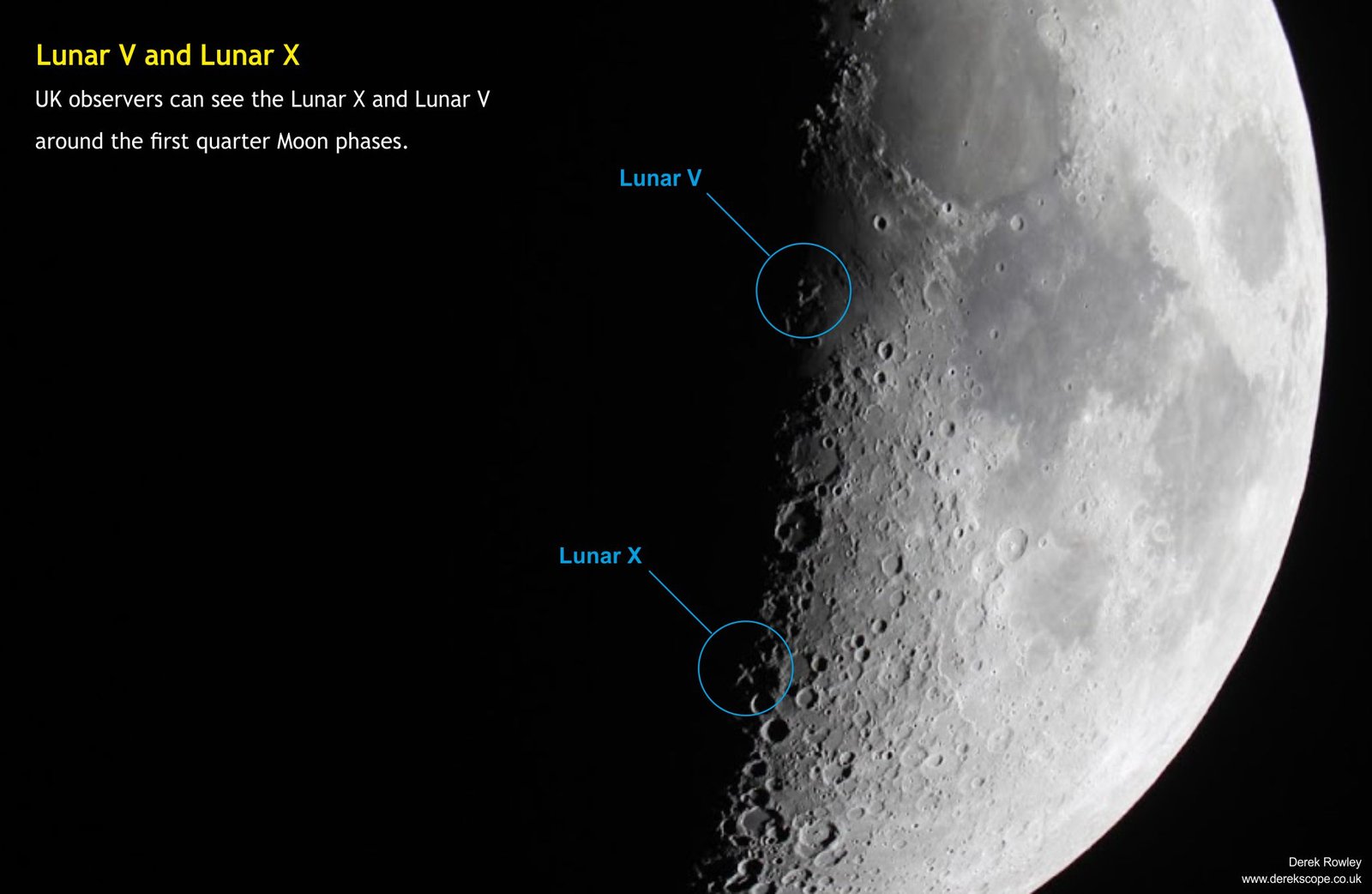
  • Lunar X and Lunar V
    Sunlight catches rims at lunar first quarter to create the bright V and X shapes.
  • Best viewing time in the UK
    Not visible for the UK Observers for this month.
    o
    –…Today: Sunday 18th October 2026
    –…Start formation: not visible
    –…Peak visibility: not visible
    –…Fade disappearing: not visible
    –…Visible: not visible (below the horizon)
    o
  • The next one will be on Monday 16th November 2026.
    o
  • The Moon repeats its cycle every 29½ days, so these effects happen every month, just on slightly different dates – see the complete full timetable for 2026, 2027, 2028, 2029 and 2030.
    o
  • Equipment
    While sometimes visible with high-power binoculars, a telescope is recommended to see the fine detail of the crater rims forming the Lunar X and V.
    o

oooo
oooo

Posted in Homepage (Posts) | Comments Off on Sunday 18th October 2026

Sunday 18th October 2026

  • Lunar X and Lunar V
    Sunlight catches rims at lunar first quarter to create the bright V and X shapes.
  • Best viewing time in the UK
    Not visible for the UK Observers for this month.
    o
    –…Today: Sunday 18th October 2026
    –…Start formation: not visible
    –…Peak visibility: not visible
    –…Fade disappearing: not visible
    –…Visible: not visible (below the horizon)
    o
  • The next one will be on Monday 16th November 2026.
    o
  • The Moon repeats its cycle every 29½ days, so these effects happen every month, just on slightly different dates – see the complete full timetable for 2026, 2027, 2028, 2029 and 2030.
    o
  • Equipment
    While sometimes visible with high-power binoculars, a telescope is recommended to see the fine detail of the crater rims forming the Lunar X and V.
    o

Posted in Homepage (Posts) | Comments Off on Sunday 18th October 2026

Sunday 18th October 2026

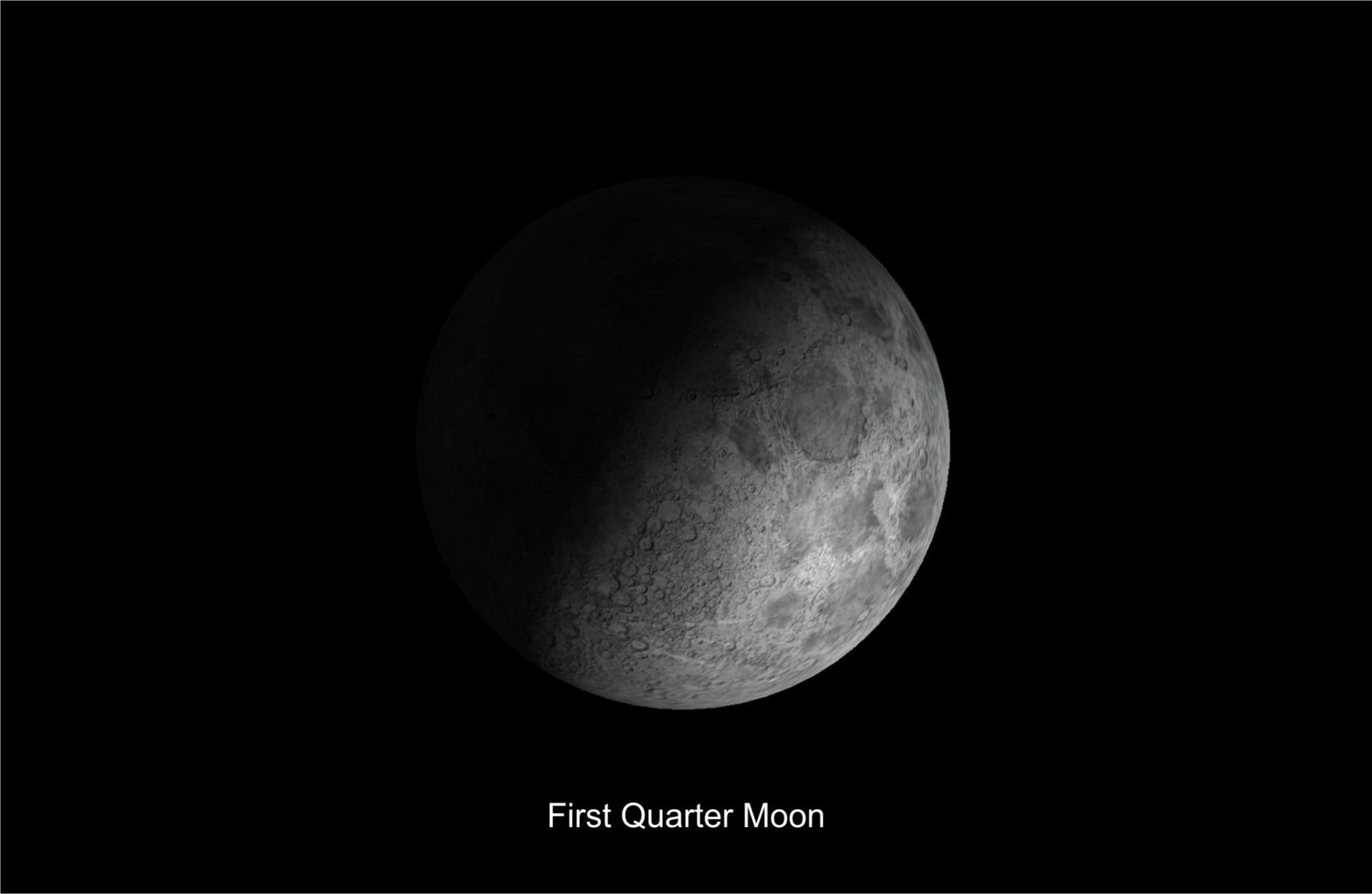
First Quarter Moon

  • Rises around noon and sets around midnight, appearing high in the southern sky during the early evening.
    o
  • This is one of the best phases for telescopic observation, as the low Sun angle along the terminator casts long shadows that reveal craters, mountains, and valleys in striking detail.
    o

Posted in Homepage (Posts) | Comments Off on Sunday 18th October 2026

Sunday 17th October 2026

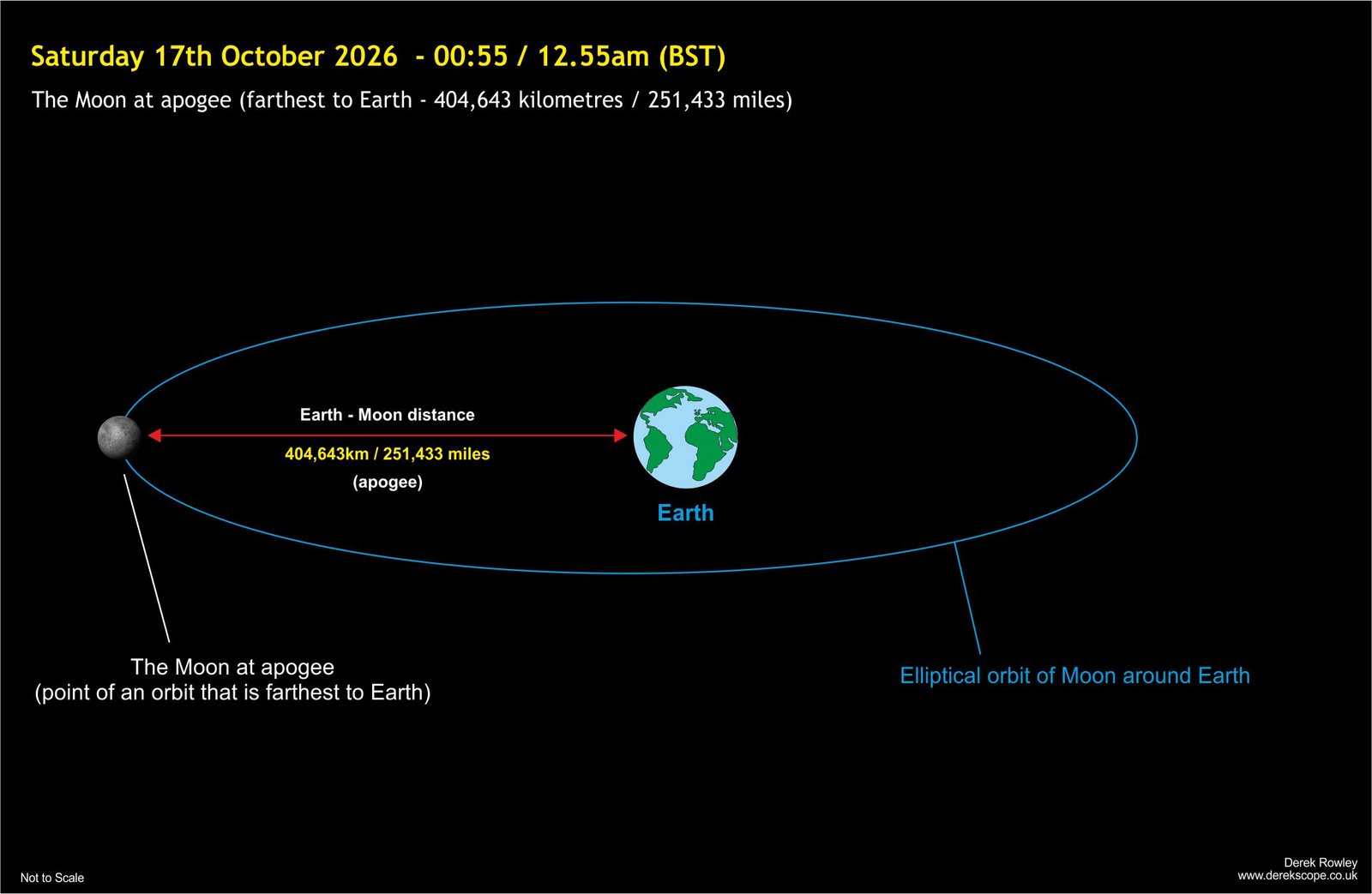
The Moon at apogee

  • The Moon reaches apogee ~ the farthest point in its orbit from Earth.
    o
  • The Moon appears slightly smaller and dimmer in the sky compared to perigee.
    o
    o

2026 Apogee Dates
(Moon Furthest from Earth)

  • Tuesday 13th January
  • Tuesday 10th February
  • Tuesday 10th March
  • Tuesday 7th April
  • Monday 4th May
  • Monday 1st June
  • Thursday 28th June
  • Saturday 25th July
  • Saturday 22nd August
  • Saturday 19th September
  • Saturday 17th October
  • Thursday 13th November
  • Friday 11th December

2026 Perigee Dates
(Moon Closest to Earth)

  • Thursday 1st January
  • Thursday 29th January
  • Monday 24th February
  • Saturday 22nd March
  • Sunday 30th March
  • Sunday 19th April
  • Sunday 17th May
  • Monday 15th June
  • Monday 13th July
  • Monday 10th August
  • Sunday 6th September
  • Thursday 1st October
  • Wednesday 28th October
  • Wednesday 25th November
  • Thursday 24th December
    oooo

Posted in Homepage (Posts) | Comments Off on Sunday 17th October 2026

Monday 12th October 2026

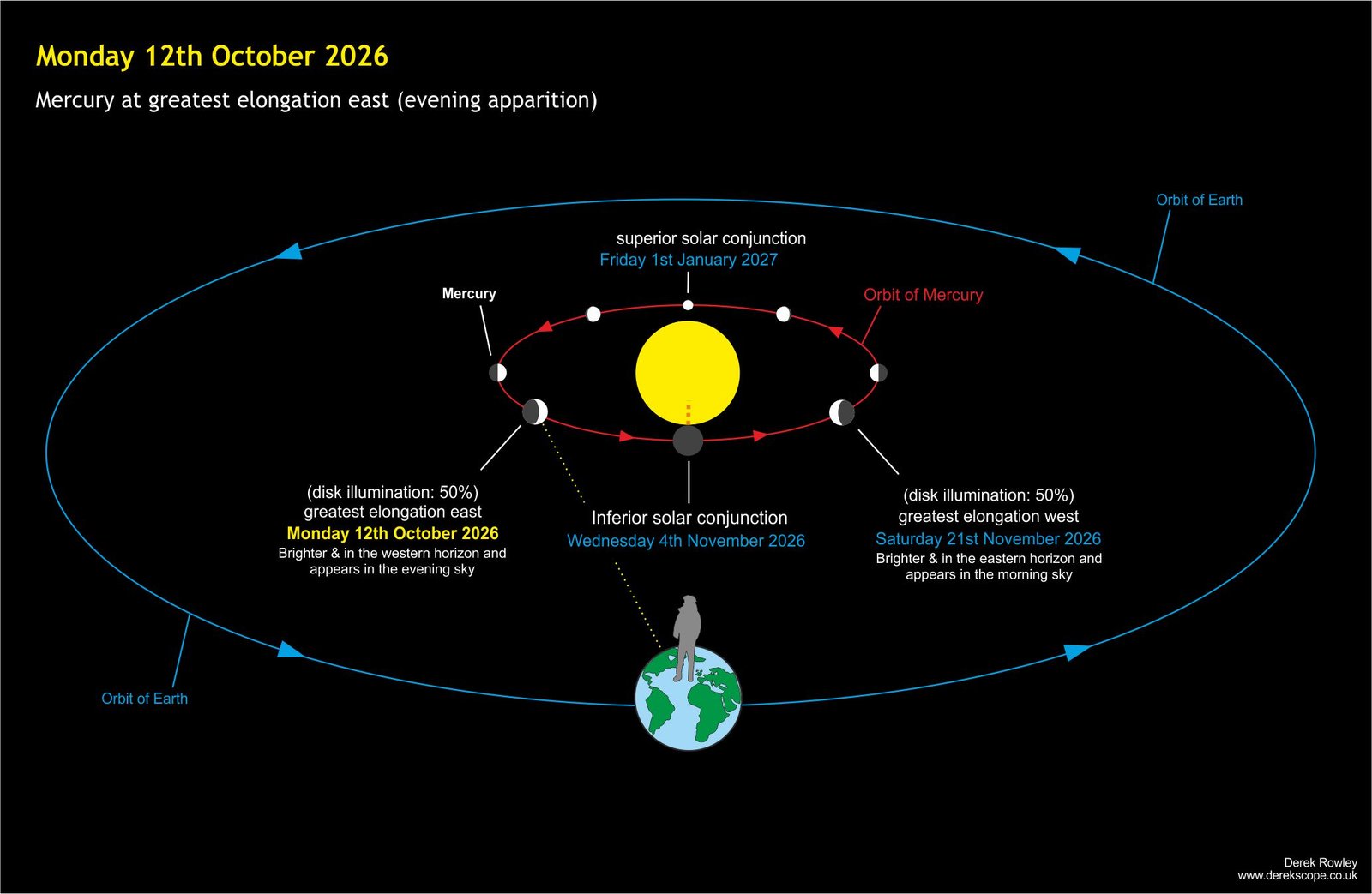
Mercury at greatest elongation east

  • Viewers in the Northern Hemisphere will find Mercury very low to the ground and difficult to spot due to a shallow angle of the ecliptic relative to the horizon at this time of year.
    o

Posted in Homepage (Posts) | Comments Off on Monday 12th October 2026

Monday 12th October 2026

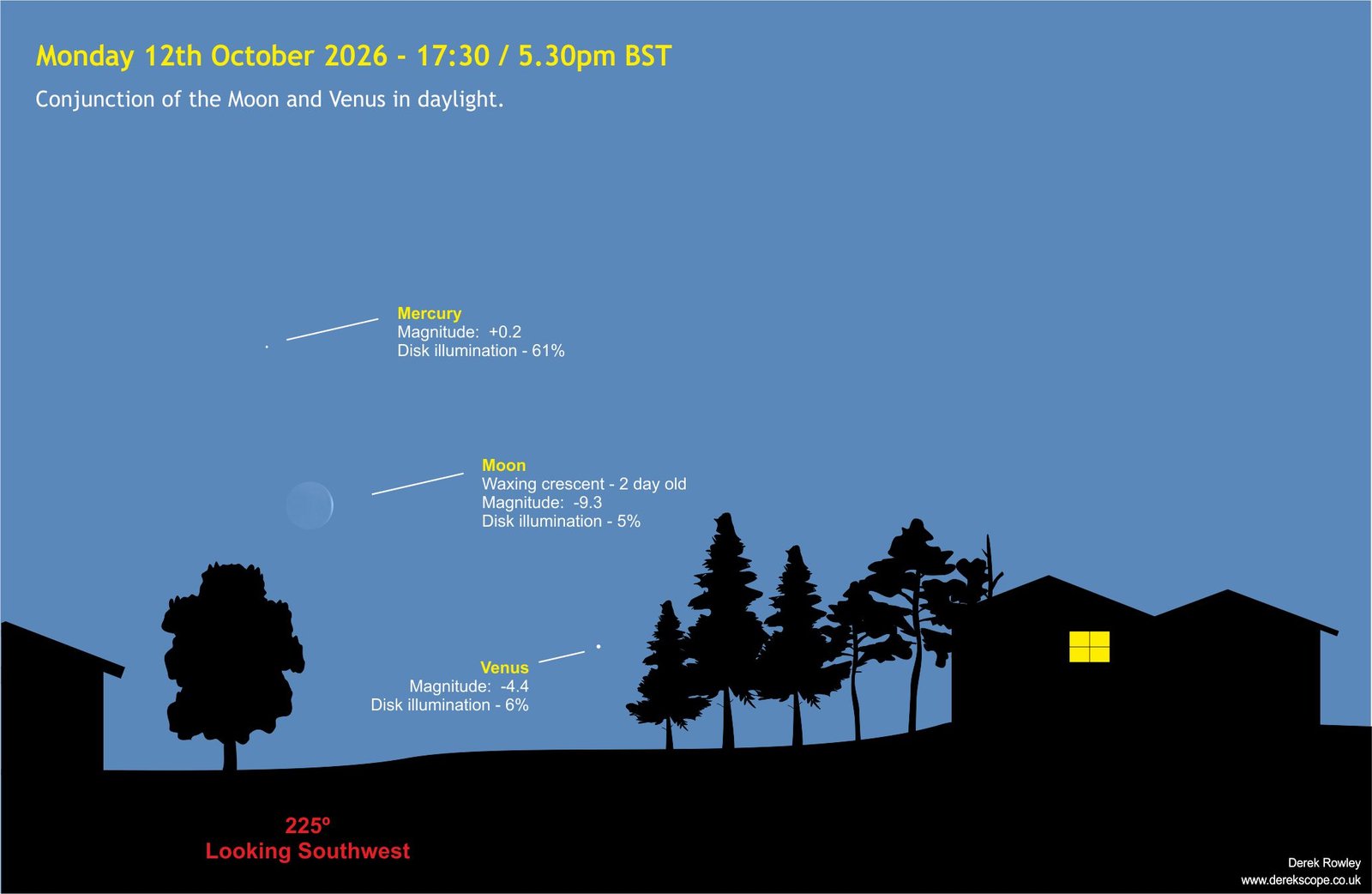
Daylight Moon–Venus Conjunction ~ A difficult observation

  • Daylight Glare
    At 17:30 BST, the Sun has not yet set in the UK (sunset is around 18:10 BST). Mercury and the 2-day-old crescent Moon will be lost entirely in the bright daylight sky.
    o
  • A challenging daylight capture!
    Venus will appear close to the thin crescent Moon, but finding and photographing both against the bright daytime sky will require careful timing, focus and exposure.
    o

Posted in Homepage (Posts) | Comments Off on Monday 12th October 2026

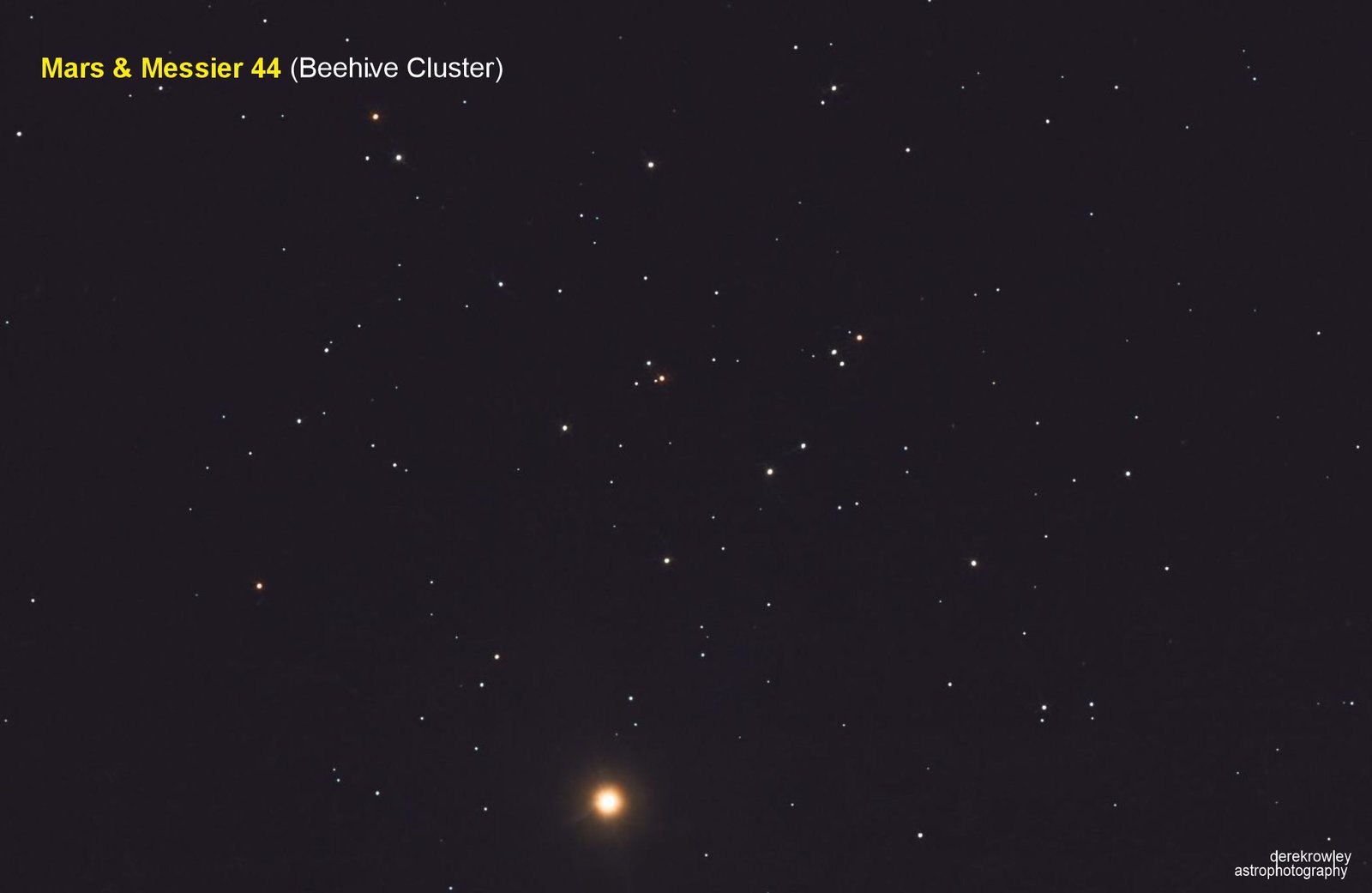
Mars & M44

Mars is passing right through Messier 44 (Beehive Custer)

  • Mars looks like a small orange-red point against the cluster’s many stars. (According to Derekscope’s highlight: Mars inside Messier 44)
    o
  • Binoculars are ideal for seeing both together.
    o
  • A telescope at low magnification can also work well.
    o

Posted in Homepage (Posts) | Comments Off on Mars & M44