oooo
oooo
oooo


BSL Version

Here are the 4 main types of calibration frames, explained simply:
oooo
oooo
1) Light Frames (The Main Photo)
BSL Version
Here are the 4 main types of calibration frames, explained simply:
1. Light Frames (The Main Photo)
- What it is:
– This is the actual picture you want to take a beautiful image of a galaxy, planet, or star cluster.
o - The Problem:
– It has your target in it, but it also has hidden noise, tiny dust specks on the lens, and hot pixels (glowing dots caused by the camera getting warm).
o
2. Dark Frames (Finding the Heat Noise)
- What it is:
– A photo taken with the lens cap ON (No lights) for the exact same amount of time as your main space photo.
o - How it works:
– Since the lens cap is on, the picture should be pitch black.
– But because the camera sensor gets warm while taking long pictures, it creates fake glowing dots and static (called thermal noise).
o - The Trick:
– The computer subtracts this pitch-black “heat map” from your space photo, wiping away the fake glowing dots!
o
3. Flat Frames (Cleaning the Dirty Window)
- What it is:
– A photo taken of a smooth, evenly lit surface (like a white screen or a clear white t-shirt over the telescope lens).
o - How it works:
– Telescopes get dusty! Dust specks create tiny dark circles (called “dust donuts”) on your pictures. Also, camera lenses often make the corners of a photo darker than the middle (vignetting).
o - The Trick:
– The computer compares your space picture to the flat white picture to spot where the dust shadows and dark corners are, then brightens those areas up to match the rest of the image.
o
4. Bias Frames (Measuring Camera Electricity)
- What it is:
A photo taken with the lens cap ON at the fastest speed your camera can possibly shoot (like 1/4000th of a second).
o - How it works: Even in a split second, a camera’s electronic brain creates a tiny bit of electrical background hum just by reading the sensor data.
o - The Trick: This frame measures pure electronic static so the computer can wipe it out, leaving behind only the real light from distant stars.
o
Here is a visual breakdown of what calibration frames look like in real life and how they work together:
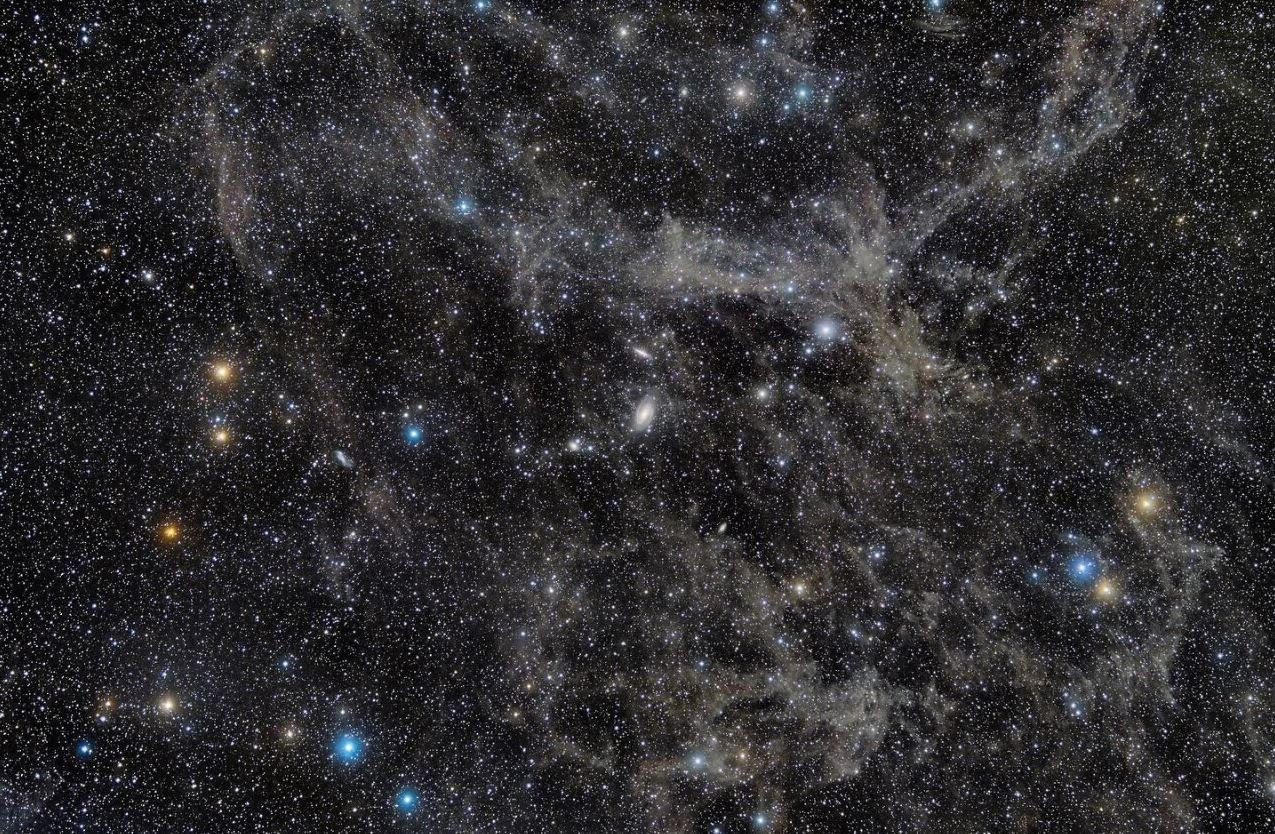
- Before the Universe…
The Universe came into exixtence there was nothingness;..no space, no time, no energy and no matter.
o
o
o
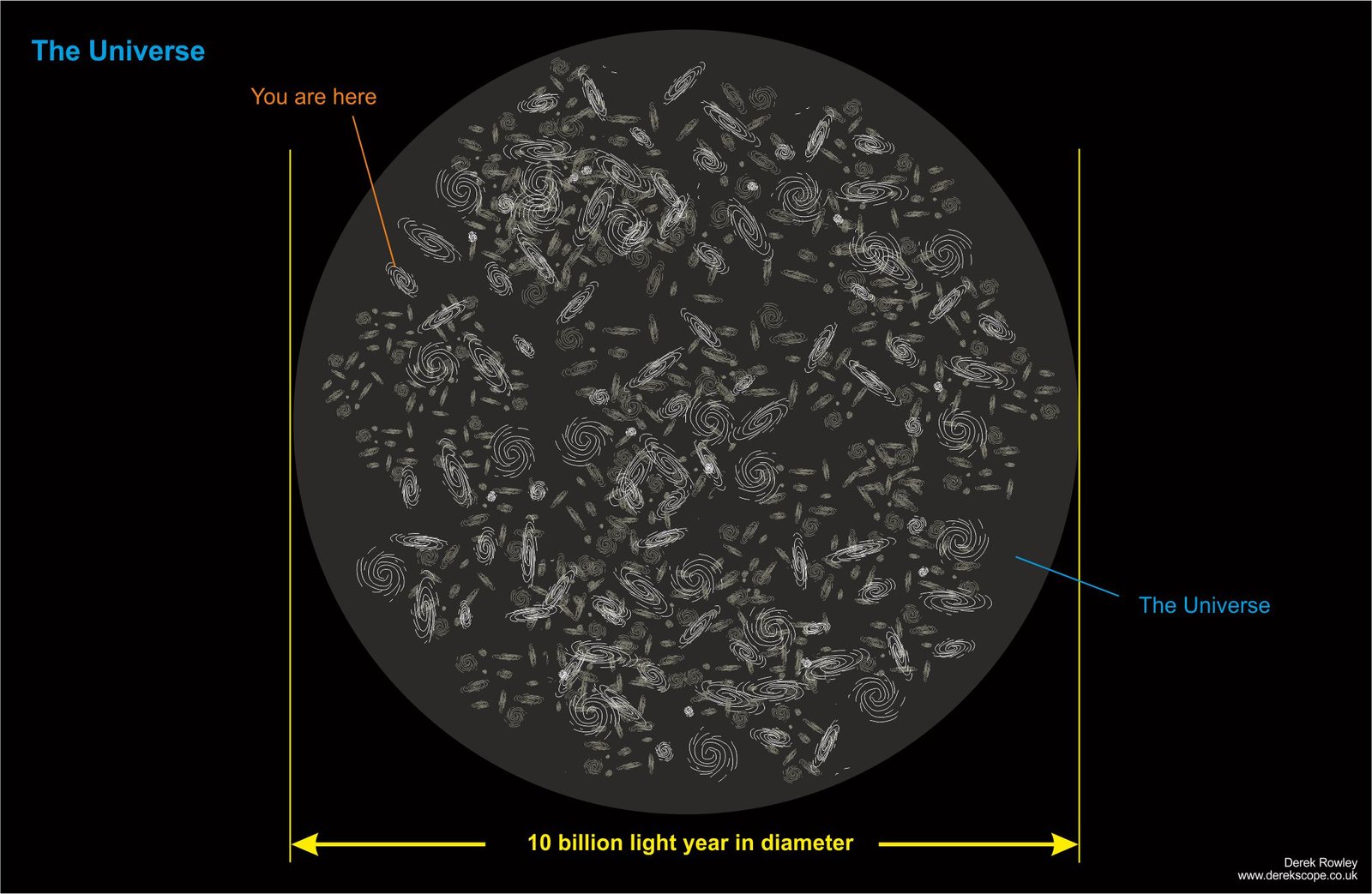
- 10 billion light years in diameter
The universe is believed to be at least 10 billion light years in diameter and contains a vast number of galaxies; it has been expanding since its creation in the Big Bang about 13 billion years ago.
o
o
o
oooo
oooo
oooo
When did the Big Bang begin?
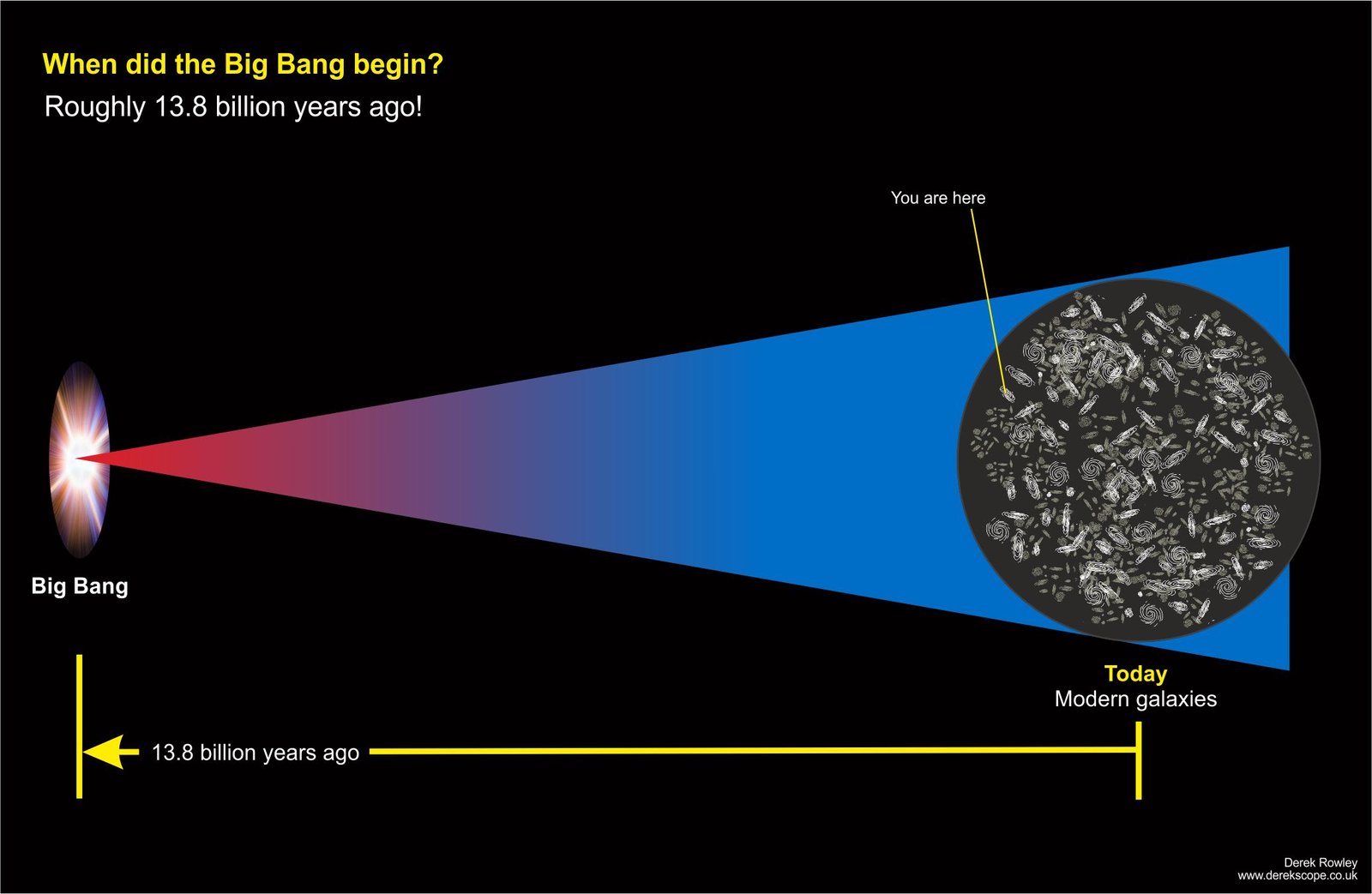
- The Big Bang ~ describes the universe starting about 13.8 billion years ago from an extremely hot, dense state, followed by continuous expansion. It is not an “explosion into space,” but rather an expansion of space itself.
o
o

Before the Big Bang
- nothingness
oooo
oooo
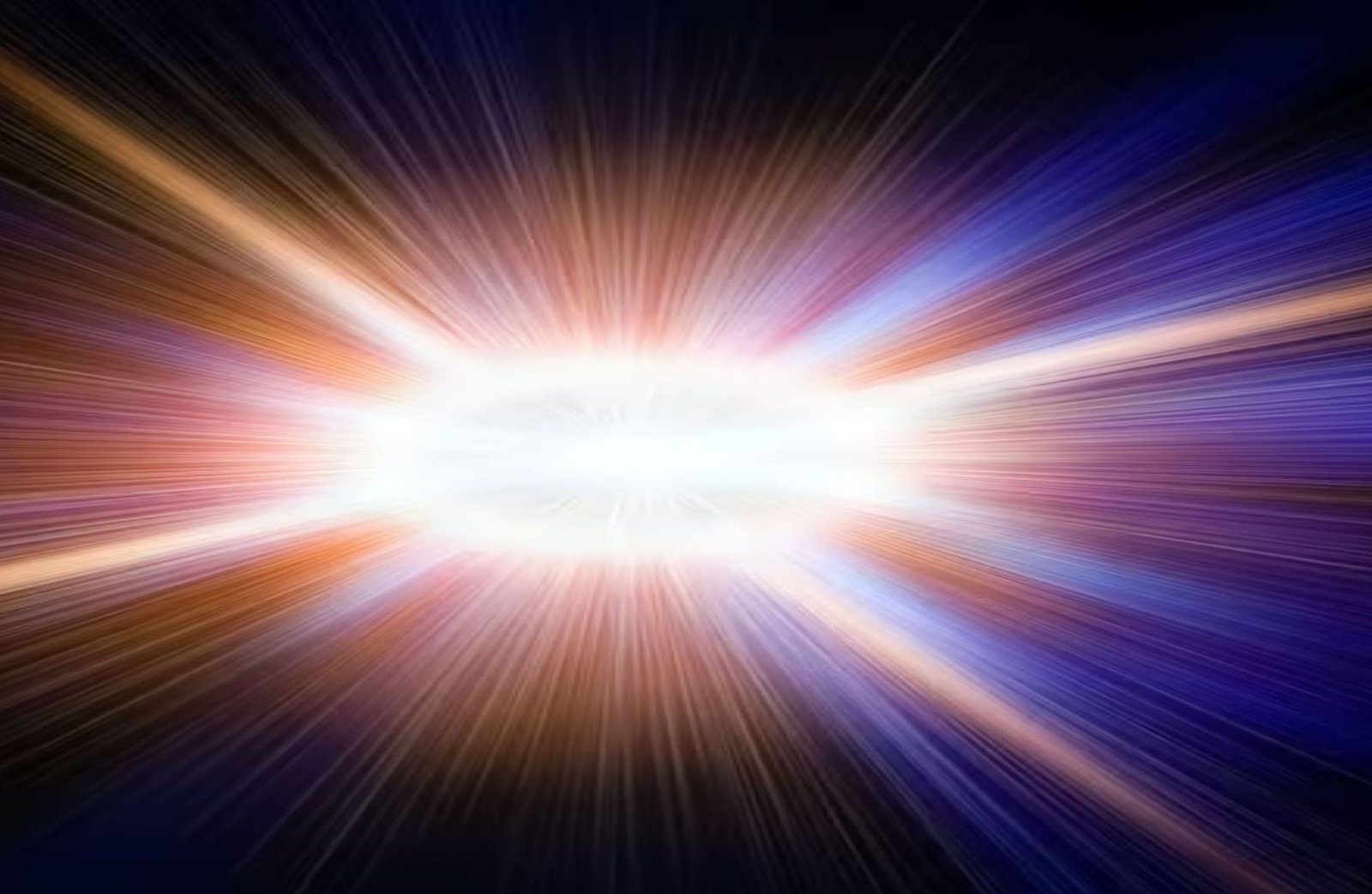
- The Big Bang – the Universe begins!
The Study of the Universe (cosmology) since the Big Bang explosion (known as the Big Bang) – latest estimates of the Universe’s age; it’s now about 14 billion years old.
o
o
o