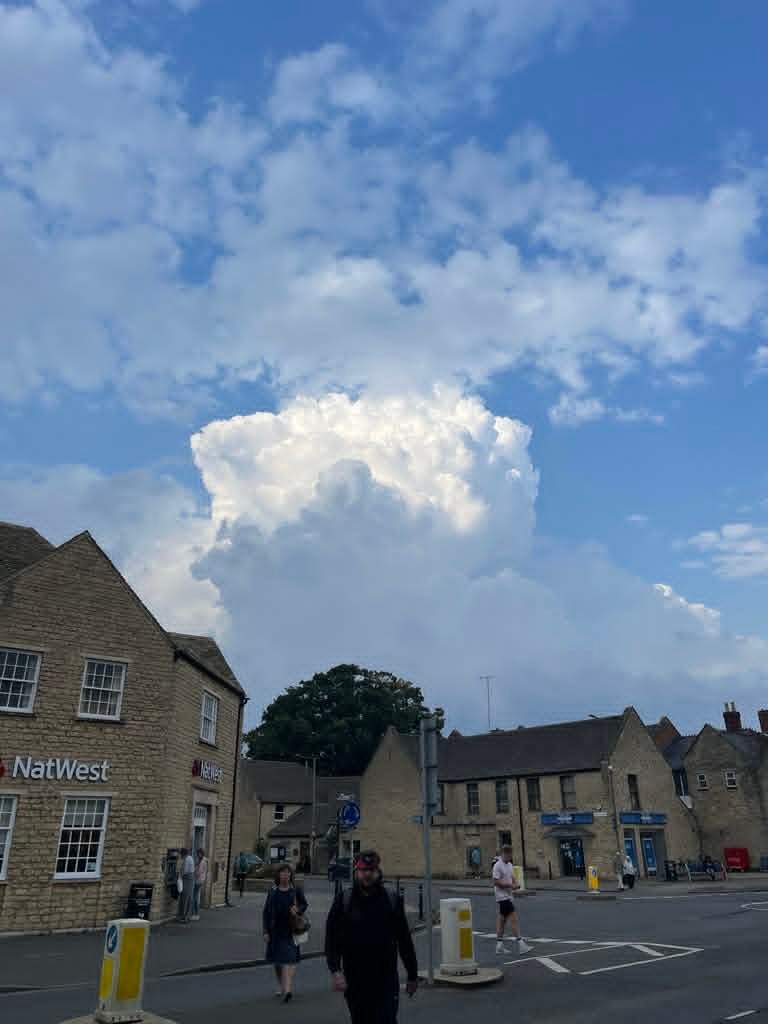
- These are vertical clouds that can extend to high altitudes, their bases start at low levels.
- Cumulonimbus (Cb) ~ Vertical Development
Heights in metres: between 500 metres to 20,000 metres.
Height in feet: between 1,600 feet to 66,000 feet.
Height in miles: between 0.3 miles to 12½ miles.
Height in kilometres: 0.4km to 20km.
- Cumulonimbus (Cb)
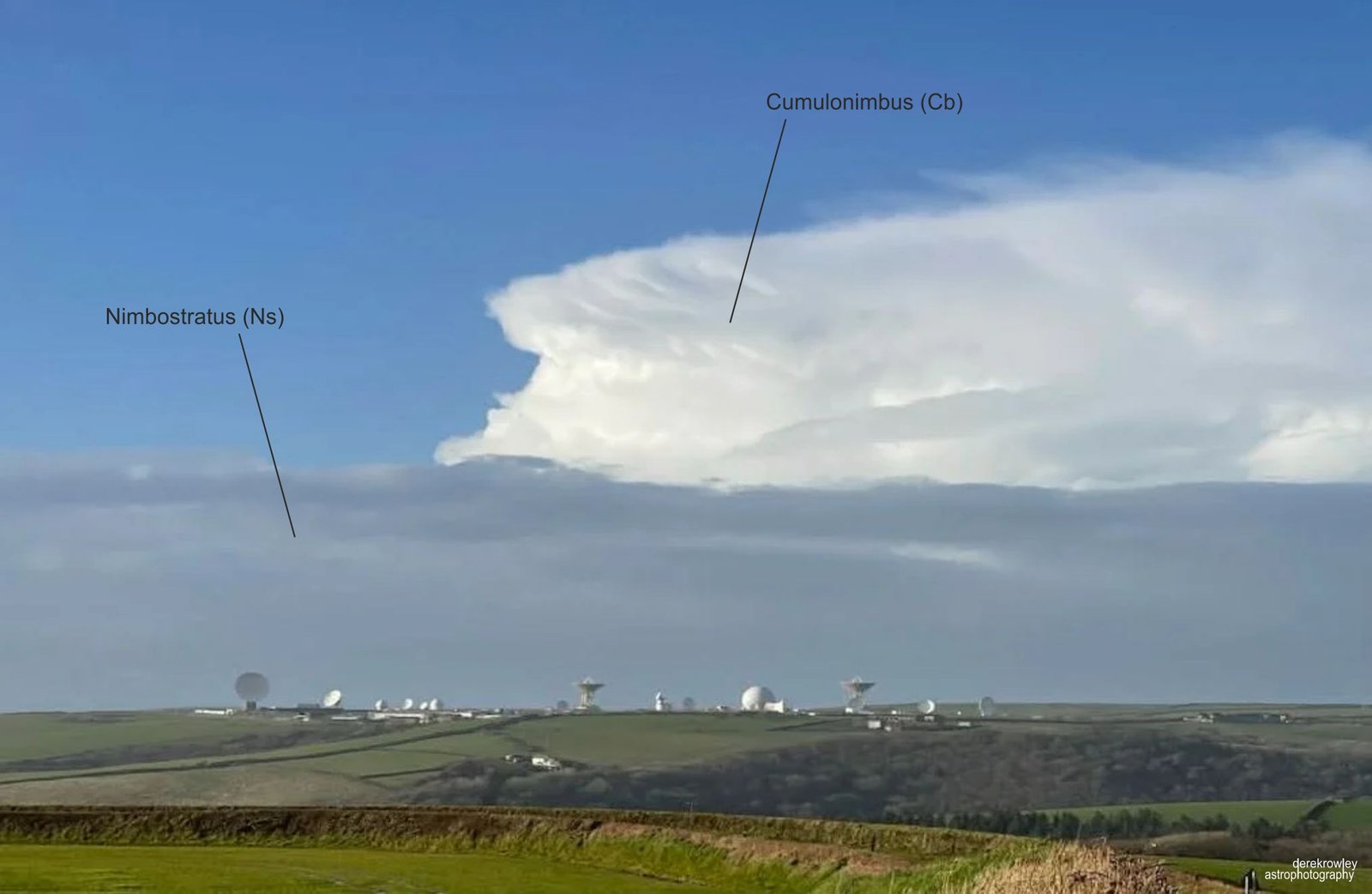
– It is a type of towering, dense cloud that brings stormy weather.
o - What makes it special?
– It grows very tall
– From low levels up to the upper atmosphere.
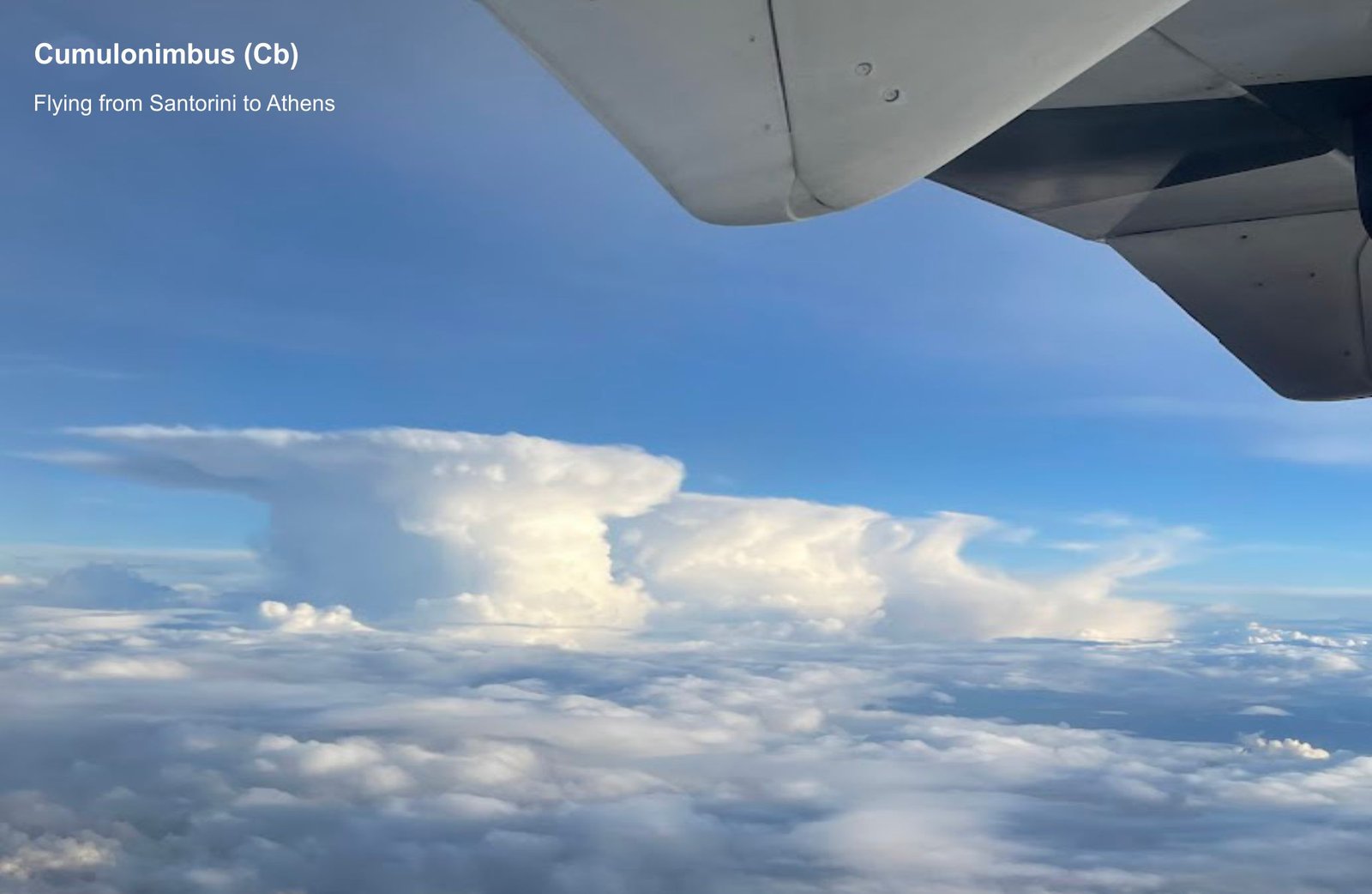
– Has a distinctive anvil-shaped top (flattened at the top).
– Looks dark and heavy at the base.
o - Key features of Cumulonimbus clouds
– Thunderstorms
– Lightning
– Heavy rain
– Hail (sometimes)
– Tornadoes (in severe cases)
o - Simple way to remember
– Think of it as a “storm cloud”
– The kind you see when the sky suddenly gets dark and dramatic before a downpour.
oooo
oooo
oooo
oooo
- Here’s the breakdown, what you’re seeing:
o
– They are a specialised type of cloud, mainly associated with thunderstorms and strong vertical development.
o
– Unlike the broader cumulus family, Cumulonimbus itself is classified into two types of species of Cumulonimbus and three types of varieties, not dozens of types (See below).
o
O
Species of Cumulonimbus (two types)
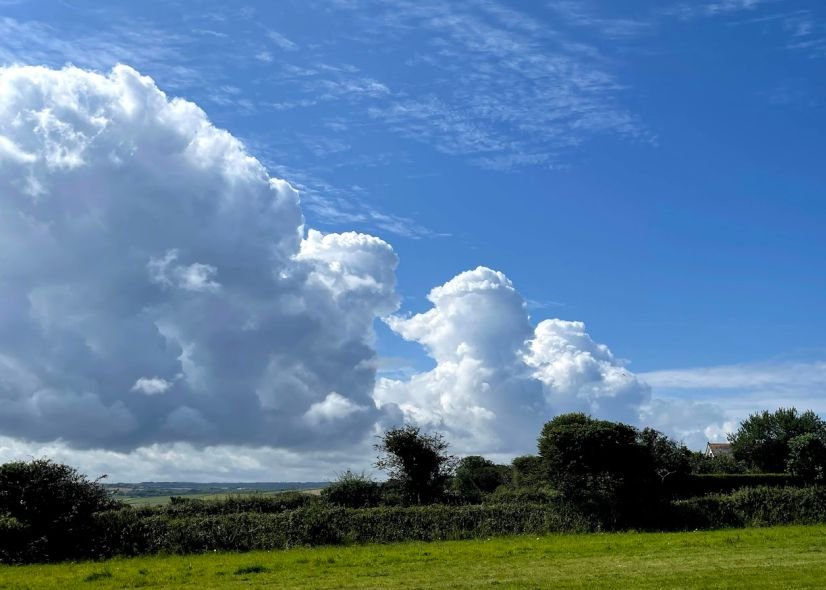
- Cumulonimbus calvus
Early stage of development; top still rounded, not fibrous.
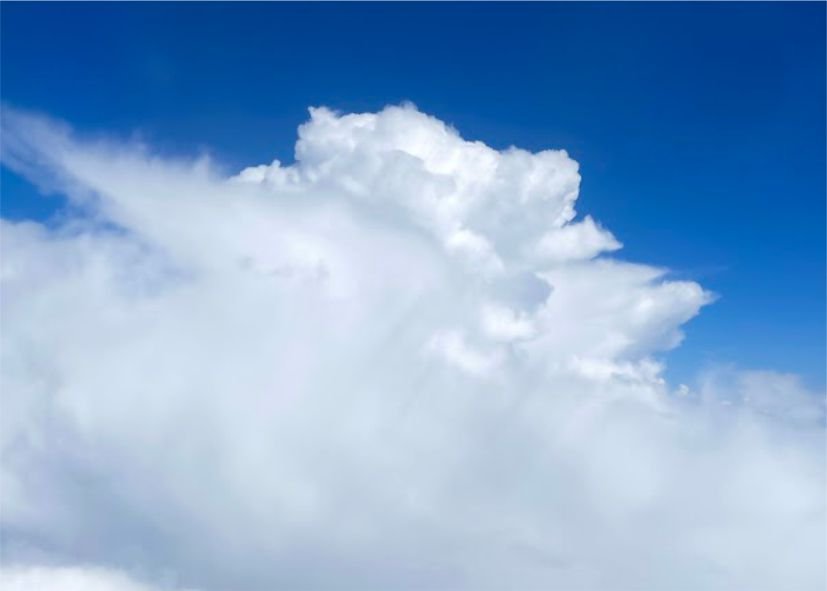
- Cumulonimbus capillatus
Mature stage; top shows fibrous or hair-like structures.

oooo
oooo
Varieties / Features (three types)
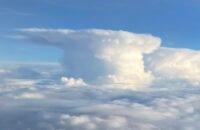
- Cumulonimbus incus
Characterized by an anvil-shaped top; often seen in fully developed thunderstorms.

- Cumulonimbus flammagenitus
Formed due to large heat sources like wildfires or volcanic eruptions.

- Cumulonimbus mammatus
Recognisable by pouch-like formations hanging from the cloud base.
oooo
oooo
oooo
oooo
Image of Cumulonimbus (Cb) by Derek Rowley


oooo
oooo
Back to Earth Features – Clouds Development
oooo
oooo