A practical Astrophotography Signbook – Contents
Here is a summary of the BSL Available page on Derekscope and others, which compiles UK astronomical highlights, guides, and resources with British Sign Language (BSL) support compiled by Derek Rowley:
oooo
oooo
The Universe
From our Solar system to the edge of the unknown
(* NEW ~  BSL support coming soon)
- What is Astrophotography?
- Astrophotography Theory
- Why the Camera Sees More Than We Do
- How a Camera Works
- One-Shot Colour Cameras
- Image File Formats
- UV/IR Filter
- Simple DSLR / Mirrorless Camera Imaging
- Tripods
- Lenses
- Camera Settings
- ISO
- Bahtinov Mask
- Aperture / F-ratio
- Intervalometer
- The 500 Rule
- Taking Images
- Considerations When Selecting a Telescope
- Smart Telescopes
- Refracting Telescopes – Refractors
- Reflecting Telescopes – Reflectors
- Aperture/Focal Length/Focal Ratio
- Collimating Telescopes
- Optical Aberrations
- Chromatic Aberration
- Vignetting
- Pinched Optics
- Attaching a DSLR to a Telescope
- Dedicated Astronomy Cameras
- Camera Specifications
- Amp Glow
- Memory Buffer
- Camera Graphs and settings – What do they mean?
- Full Well/Dynamic Range/Read Noise
- Conversion Gain
- QE = Peak Quantum Efficiency
- Relative Response
- Dark Current
- Offset
- Region of Interest (ROI)
- Binning
- Camera Cooling
- Attaching Dedicated Astronomy Cameras
- Focal Point and Back Focus
- Back Focus Issues when fitting extra accessories
- Camera Tilt
- Light Pollution and Nebula Filters
- Filter Sizes
- Using a Filter with a DSLR
- Filter Drawers and Filter Wheels
- Different types of Filters
- Tri-Band Filters
- Dual-Band Filters
- Narrowband Filters
- Alt-Azimuth (Alt-Az) Mounts
- Equatorial Mounts
- Polar Alignment
- Other Accessories
- Focal Reducers, Extenders and Barlow Lenses
- Dew Control
- Image Rotators
- Flip Mirrors
- Flap Panels
- Electronic Focusers
- Replacement focusers
- Auto-Guiding
- Guide Scope and Camera
- Off-Axis Guider (OAG)
- Guided Dual Camera
- Connecting the guiding setup to the mount
- ST4 Guiding
- Auto-Guiding Software and Calibration
- Dithering
- Automatic Meridian Flip
- Plate Solving
- ASCOM
- EQMOD / EQDIR
- Green Swamp Server
- INDI Library
- Computer Control Software
- Astronomy Controllers
- Powering Accessories
- Monochrome Imaging
- Monochrome Imaging with Filters
- Narrowband Imaging
- Calibration Frames
- Planning your imaging
- Light Pollution
- Dark Sky Sites
- Star Parties
- Observing Sites and Safety
- Troubleshooting
- Basic Image Processing
- Sharing and Presenting Your Images
- Final Thoughts
- Example Images
oooo
oooo
oooo


BSL Version

- How did the Universe begin?
The Big Bang was the moment 13.8 billion years ago when the universe began as a tiny, dense, the size of pin as fireball that exploded.
o
o
o
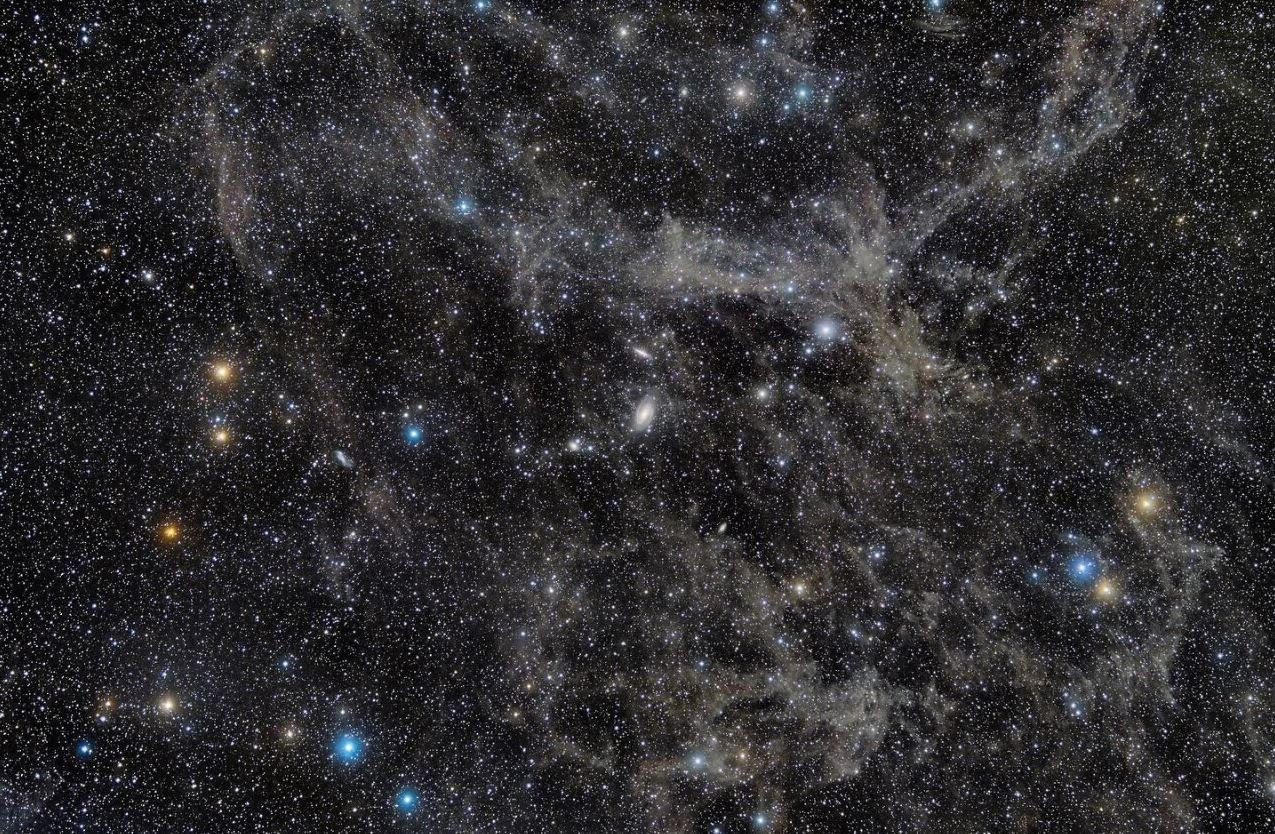
- Before the Universe…
The Universe came into exixtence there was nothingness;..no space, no time, no energy and no matter.
o
o
o
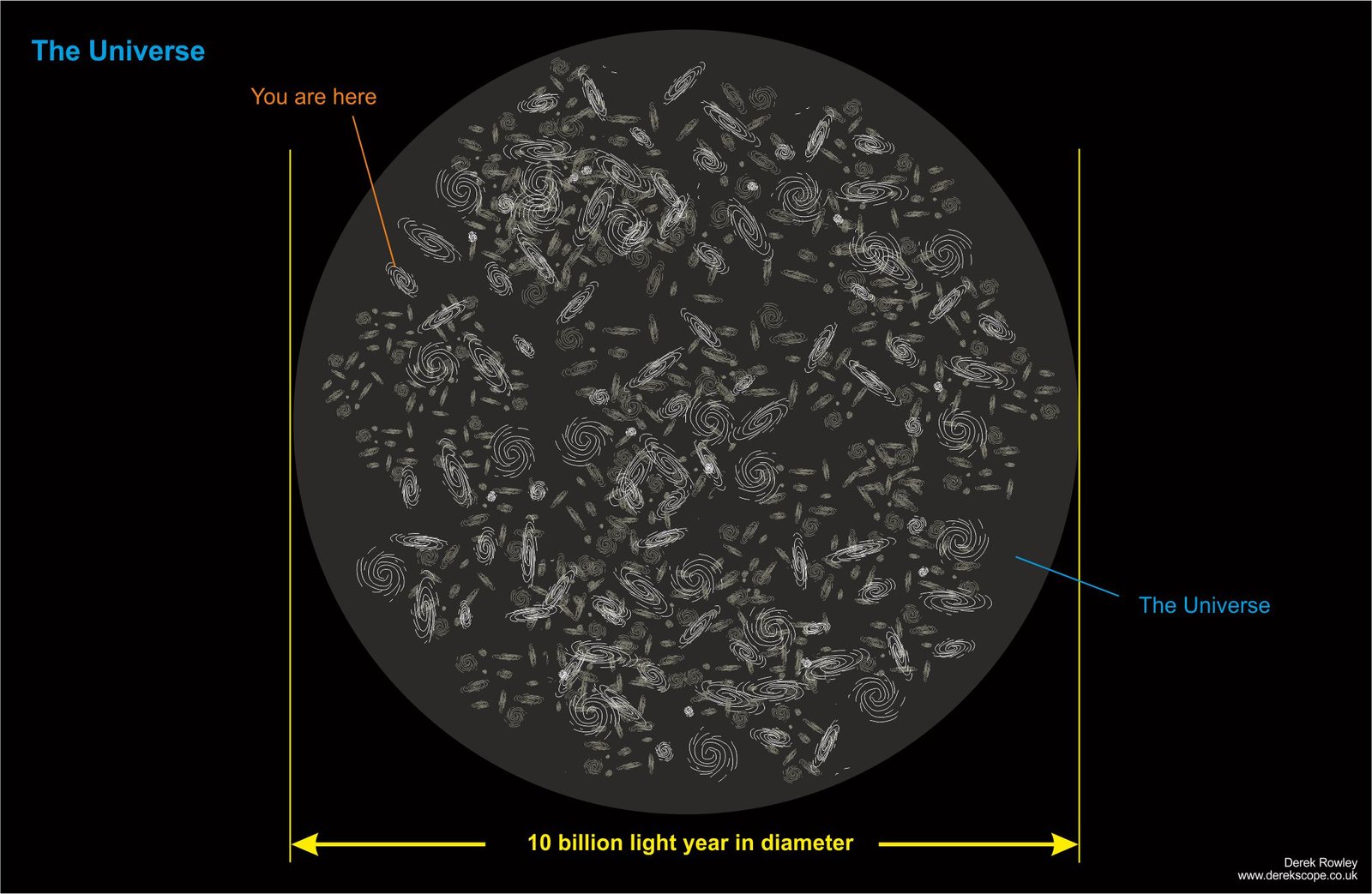
- 10 billion light years in diameter
The universe is believed to be at least 10 billion light years in diameter and contains a vast number of galaxies; it has been expanding since its creation in the Big Bang about 13 billion years ago.
o
o
o
oooo
oooo
oooo
When did the Big Bang begin?
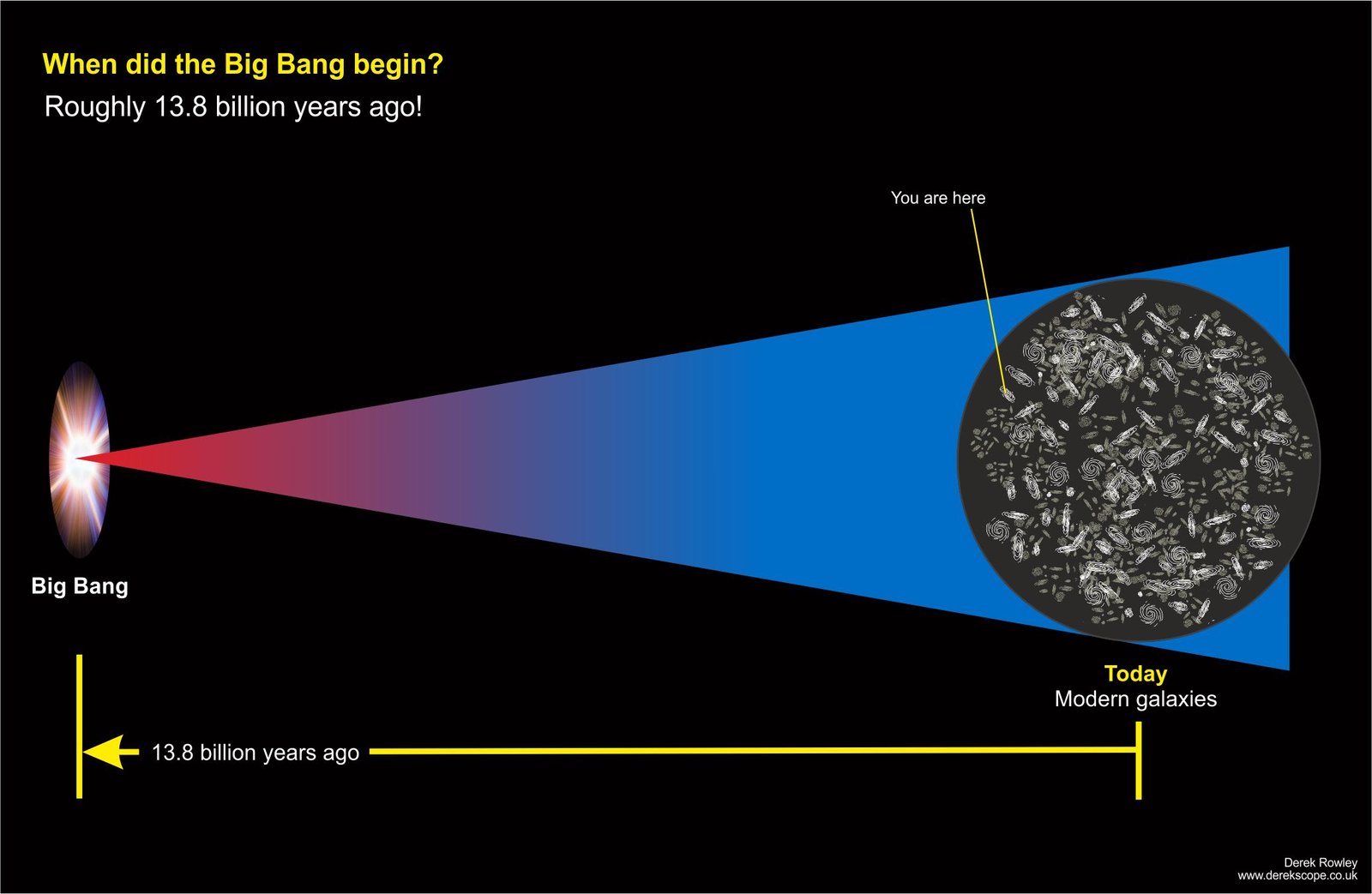
- The Big Bang ~ describes the universe starting about 13.8 billion years ago from an extremely hot, dense state, followed by continuous expansion. It is not an “explosion into space,” but rather an expansion of space itself.
o
o

Before the Big Bang
- nothingness
oooo
oooo
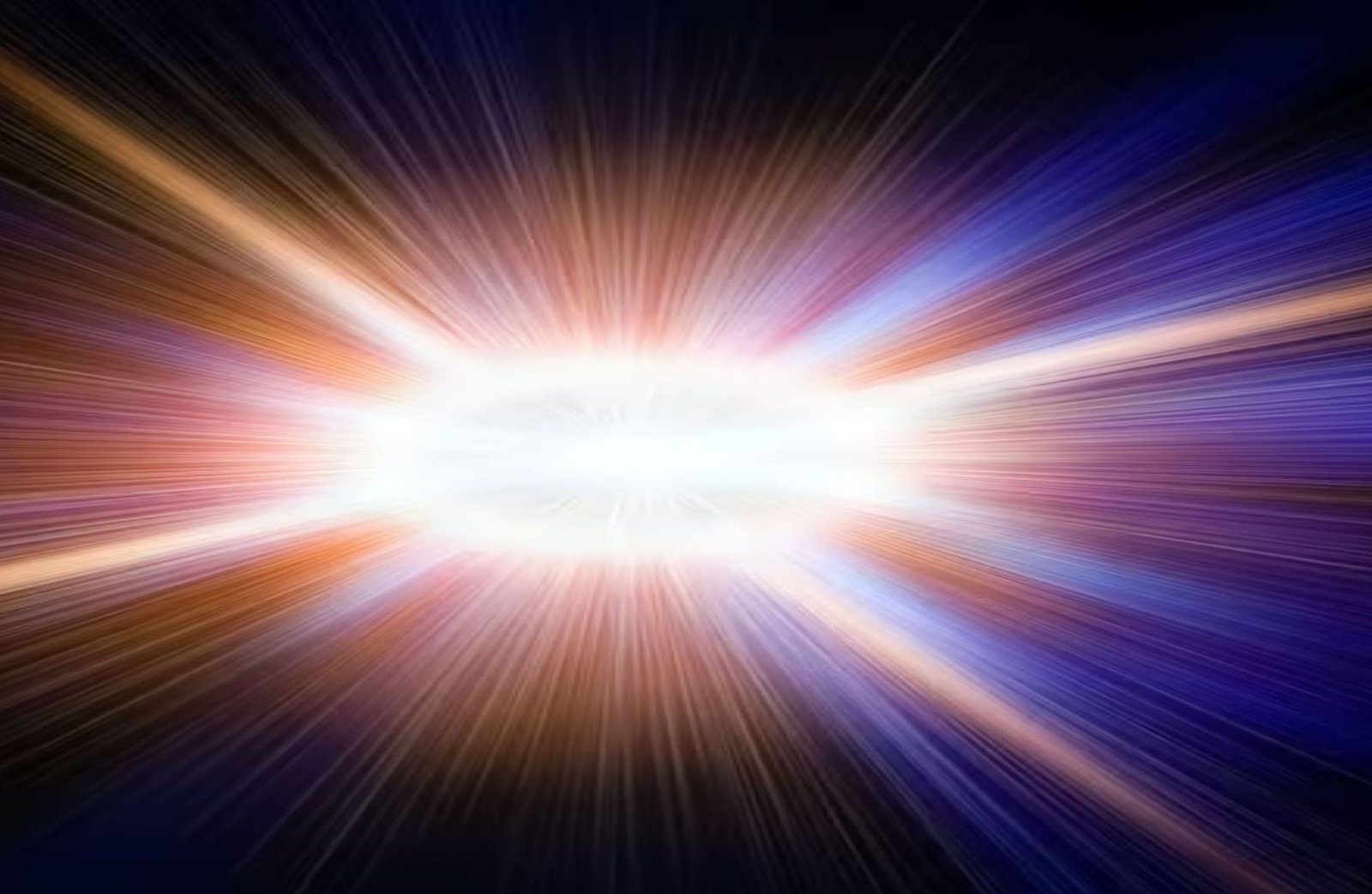
- The Big Bang – the Universe begins!
The Study of the Universe (cosmology) since the Big Bang explosion (known as the Big Bang) – latest estimates of the Universe’s age; it’s now about 14 billion years old.
o
o
o
( Click here to see the meaning of cosmology)
oooo
oooo
oooo
oooo
Back to The Universe / next to The Big Bang page.