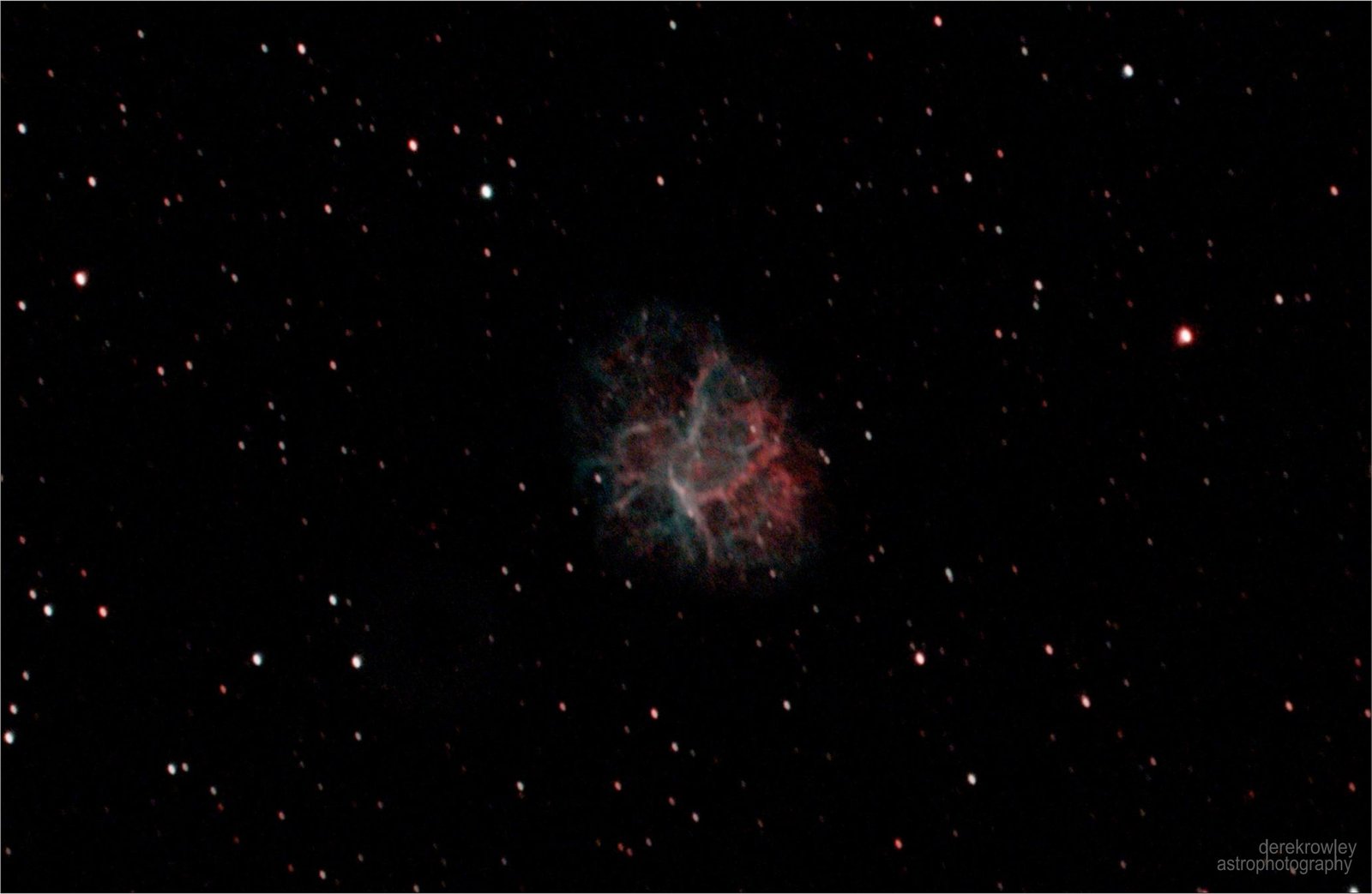
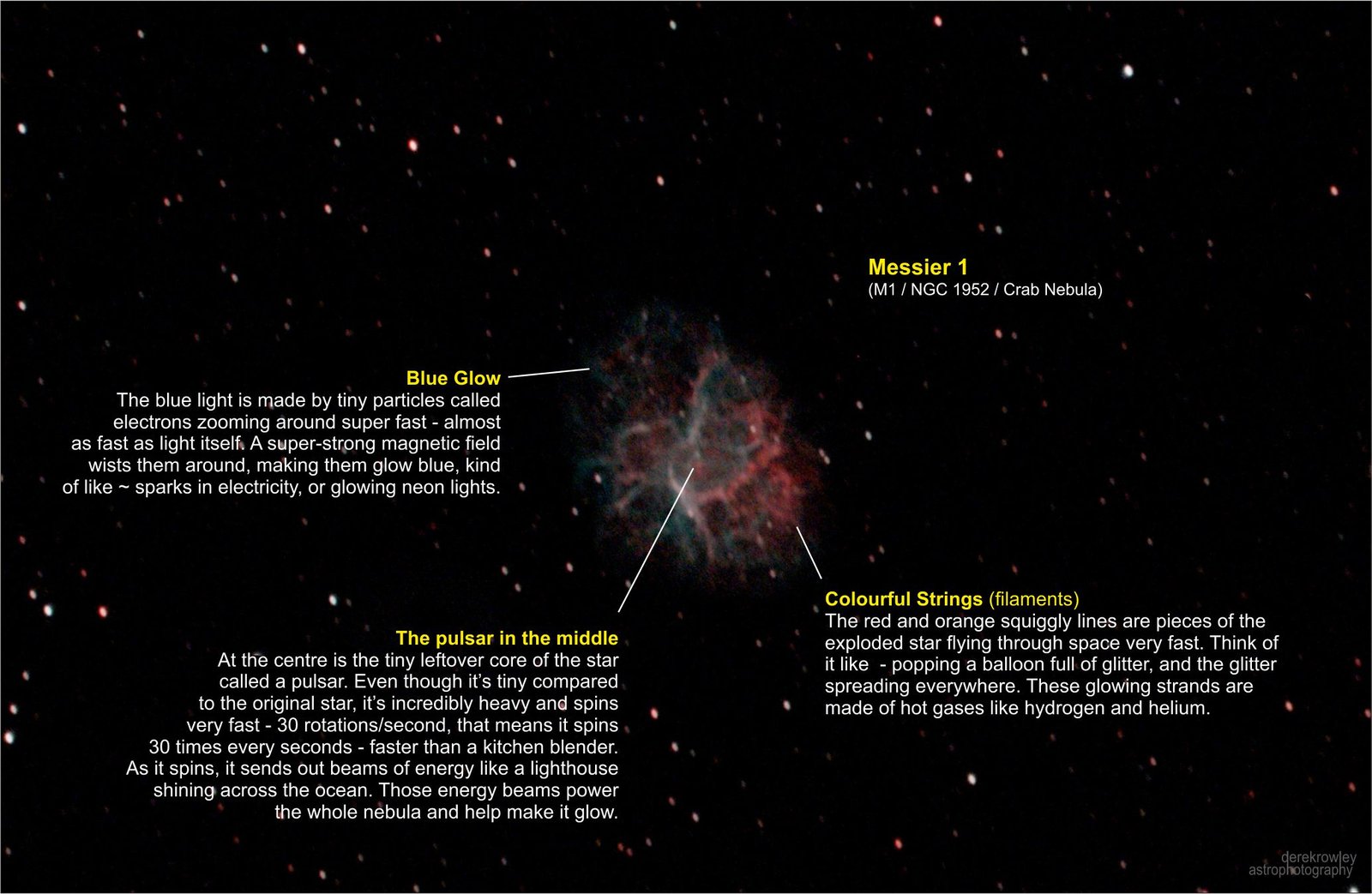
M2 (NGC 1952 / Mel 235)
- Messier 2 (M2) is famous as one of the largest and oldest known globular clusters in the Milky Way.
o - Located in the Aquarius constellation, it is a premier autumn viewing target known for its dense, bright core that can be seen through small telescopes.
o
- Object Name
M2
- Object Type
Globular Cluster
- Constellation
Aquarius
- Magnitude
+6.5
- Distance
6,500 light-years
- Age
13 billion years old
- Annotate
oooo
Equipment
Telescope:
Mount:
Accessory:
Sky-Watcher Esprint 80ED Triplet
Sky-Watcher AZ-EQ6 GT
ZWO ASIair Plus
Camera:
Guiding:
Filter:
ZWO ASI2600MC Pro cooling
ZWO ASI1290MM
2″ Optolong eNchance
Bortle Scale: Milton Keynes, Buckinghamshire (Bortle 6.6)
oooo
Integration
Date: Wed 5th Nov 2025
Moonlit: 67%
Total: 65 x 180″ = 3 hours & 25 minutes
oooo
oooo
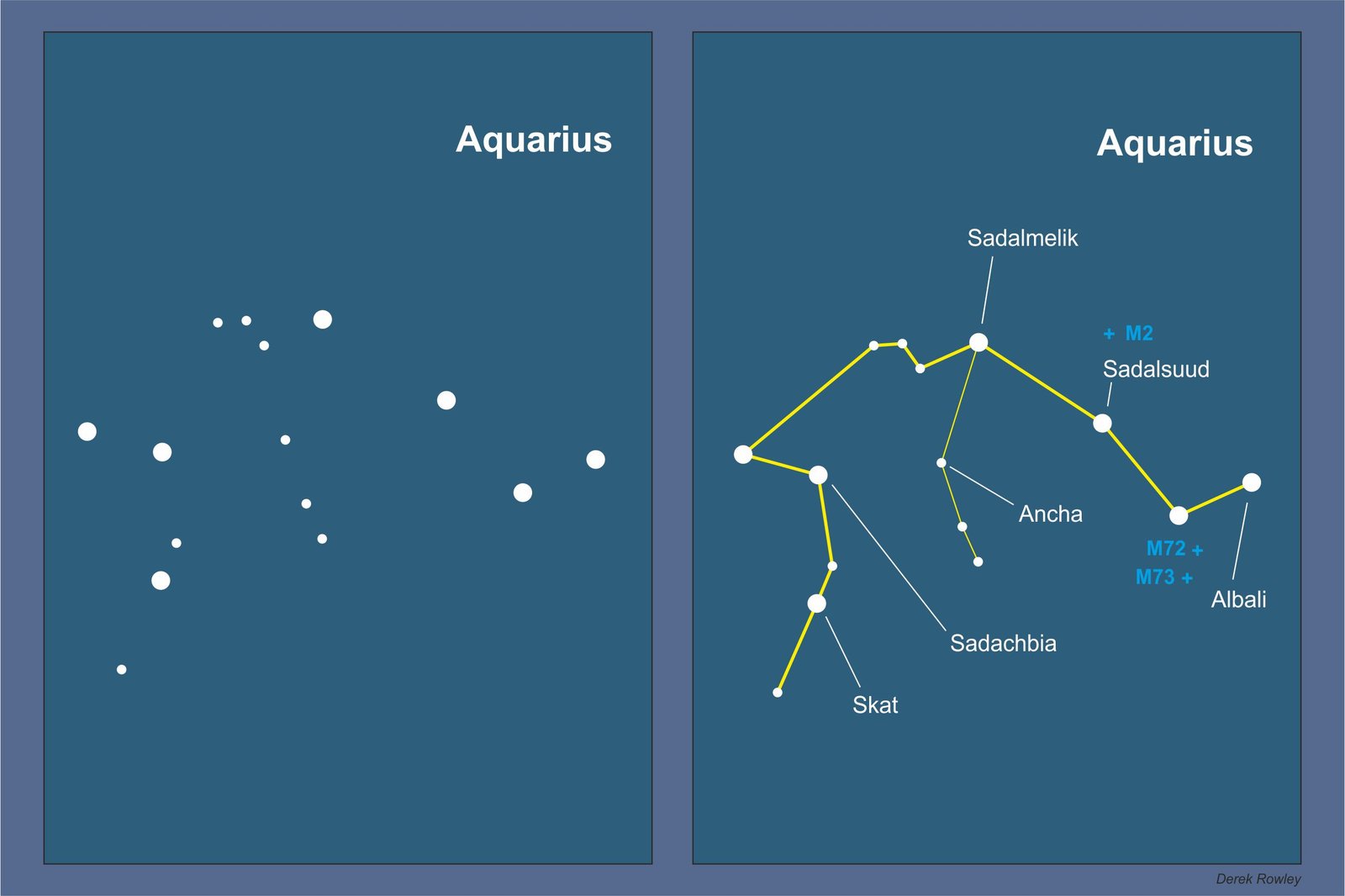
Constellation :- Aquarius (The Water Bearer)
Object :-
oooo
Object :-
Other name :-
Type :–
Magnitude :–
Distance :-
Constellation :-
Right Ascension :-
Declination :-
oooo
oooo
M2
NGC 7089 / Mel 235
Globular Cluster
+8.4
38,100 light years / 87 light years across
Aqr (Aquarius / The Water Bearer)
21h 33m 27s
-00° 49′ 23″
Enlarge on click the map.

(Click the map above for a large view.)
oooo
| Abbreviation: Aqr |
| English Name: The Water Bearer |
| Genitive: Sadalmelik |
| Hemisphere: Northern / Southern Hemisphere (bold means the more area in square feet in the Southern Hemisphere.) |
| Location: Between the constellations of Pisces and Capricorn. |
| Visible between latitudes: +65 and -90 degrees |
| Best season: Autumn |
| Seen in three seasons: Summer, Autumn and Winter |
| Best seen in: October (map) |
| Seen between: September and November |
| Right Ascension (RA): 23 hour |
| Declination (DEC): -15 degrees |
| Area (square degrees): 980 (10th) |
oooo
Facts about Messier 2 (M2)
oooo
- M2 contains about 150,000 stars packed closely together, and the stars in M2 are about 13 billion years old.
o - Sometimes it describe it as a “Ball of Ancient Stars”, because it is a huge round group of very old stars.
o - Through a telescope, M2 looks like a fuzzy glowing ball – bigger telescopes can show thousands of tiny sparkling stars.
o - M2 can be seen with binoculars or a small telescope on dark nights, and it is found in the constellation Aquarius.
oooo
oooo
oooo
oooo
oooo
oooo