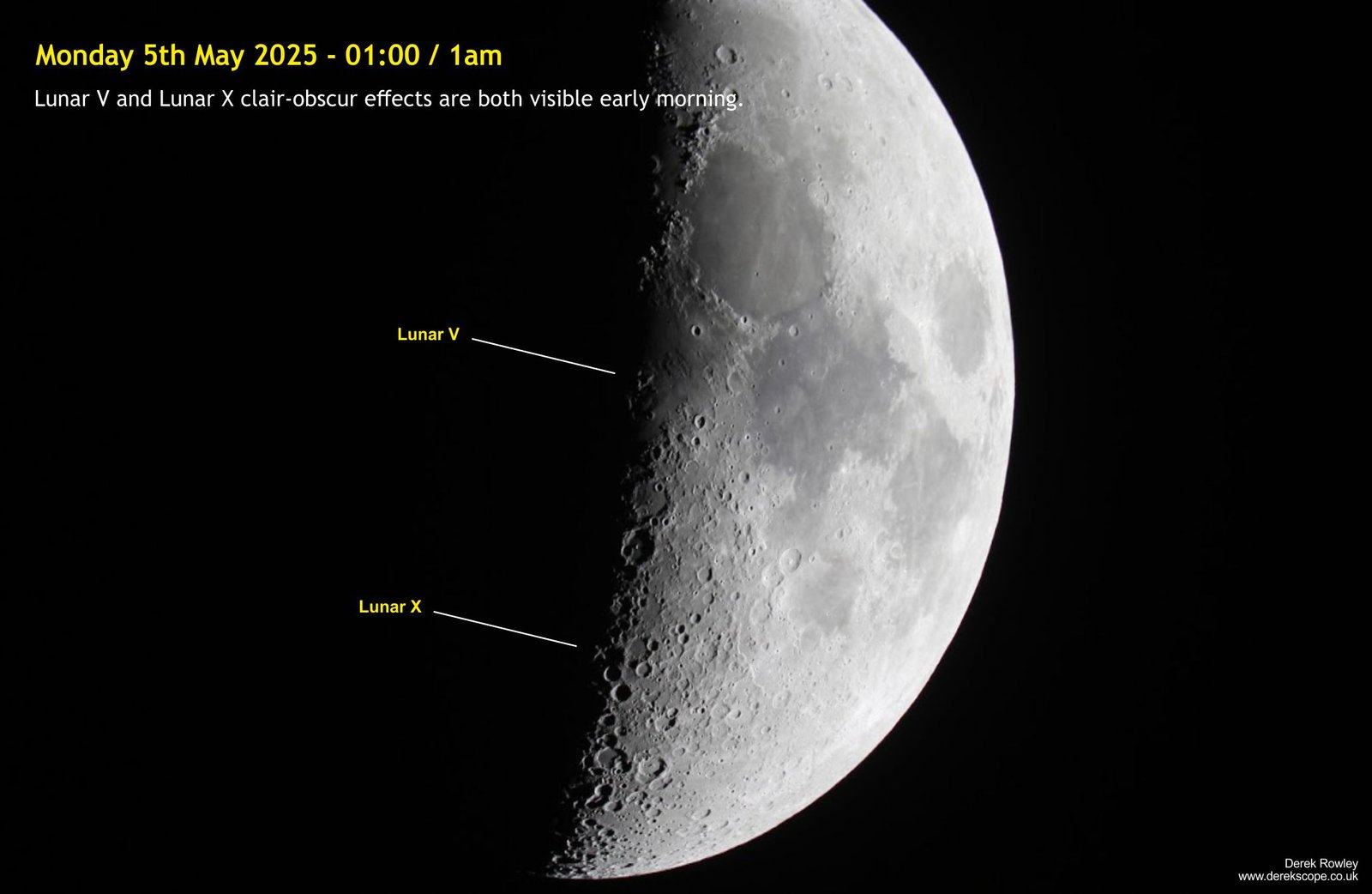
Lunar X and Lunar V are optical features on the moon, visible through a telescope for several hours around the time of the first quarter moon.

BSL
Astronomy
(British Sign Language)




BSL available
at ENS optical
Astronomy Telescope
retailers at Birmingham
Facetime
Derek can help with it.
British Sign Languages
Interest to learn
BSL Basic for fun?
o
More information
for your BSL journey.






BSL available
at Roboscopes
Facetime
Derek can help with it.
Lunar X and Lunar V are optical features on the moon, visible through a telescope for several hours around the time of the first quarter moon.
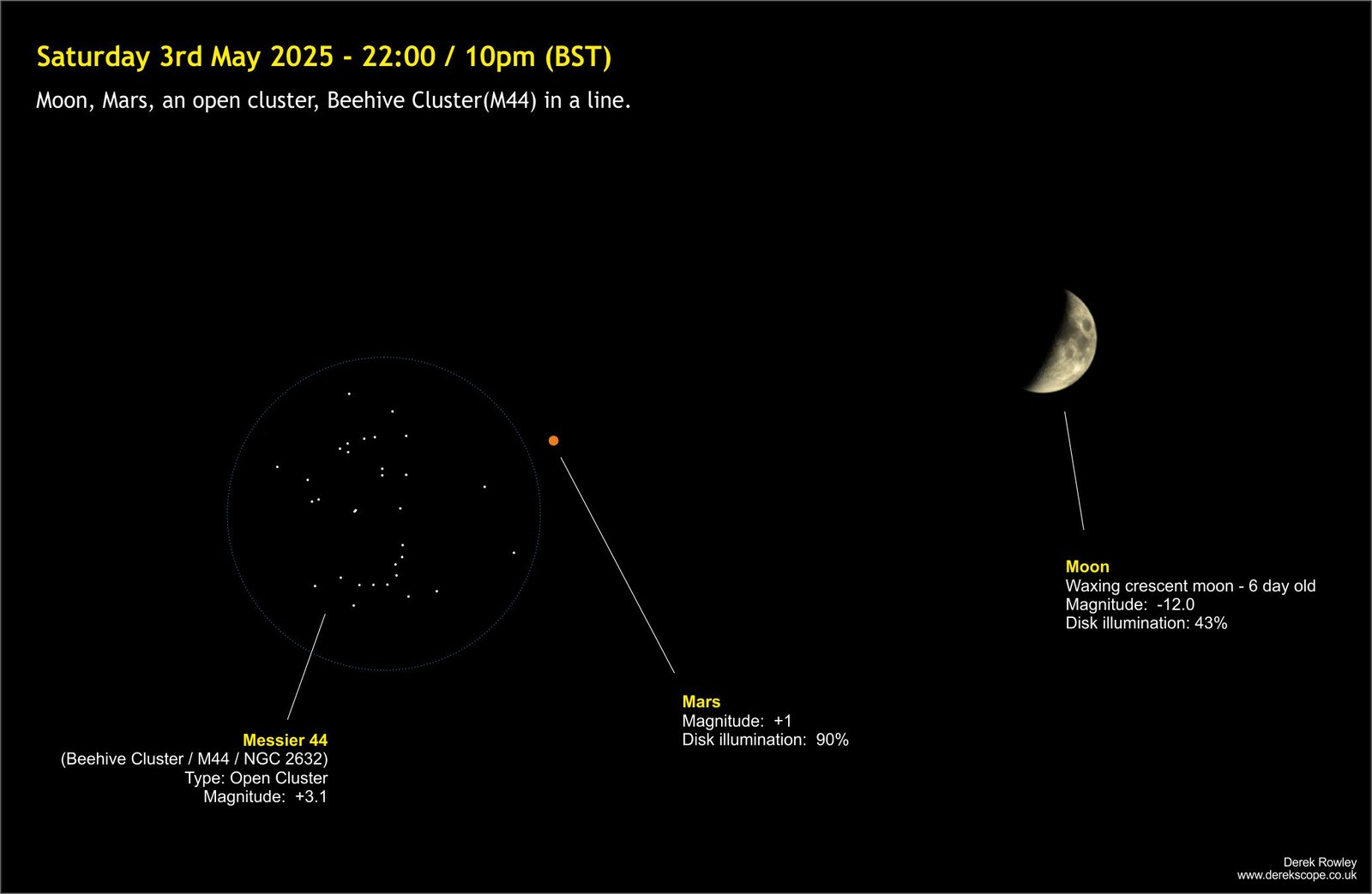
The Moon, Mars, and the Beehive Cluster (M44) also known as Praesepe, is an open cluster in the constellation Cancer and is visible to the naked eye under dark skies, will align beautifully in the night sky.
Mars will appear as a bright reddish point near the cluster, while the Moon will add its glow to the scene. This alignment will be best observed between 22:00 and around midnight BST.
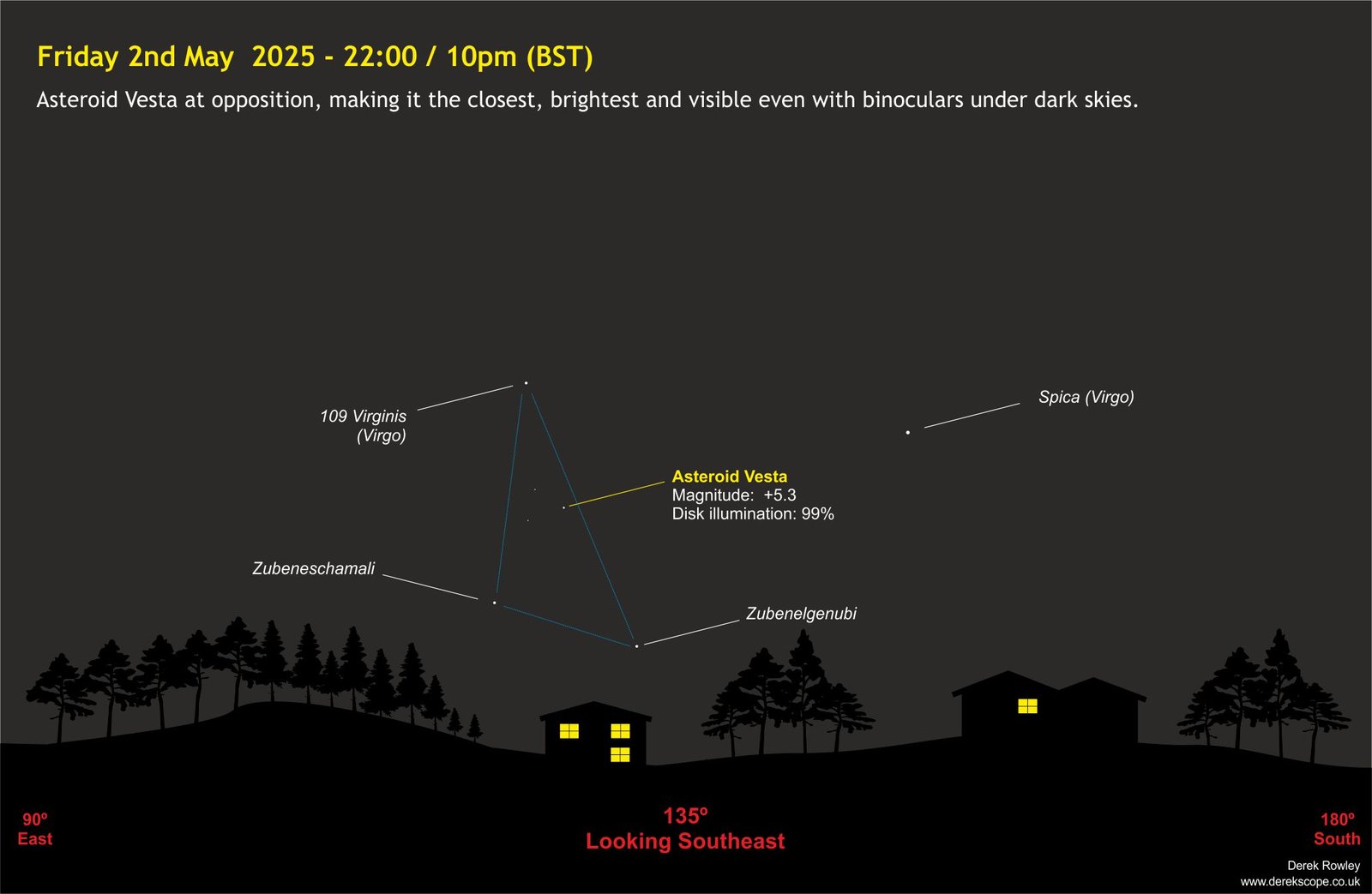
Vesta at opposition
At opposition, Vesta will be located in the constellation of Libra, near the boundary with Virgo.
oooo
From a dark sky, it may even be visible to the naked eye, but binoculars will provide a better view.
o
How to sign opposition in BSL?
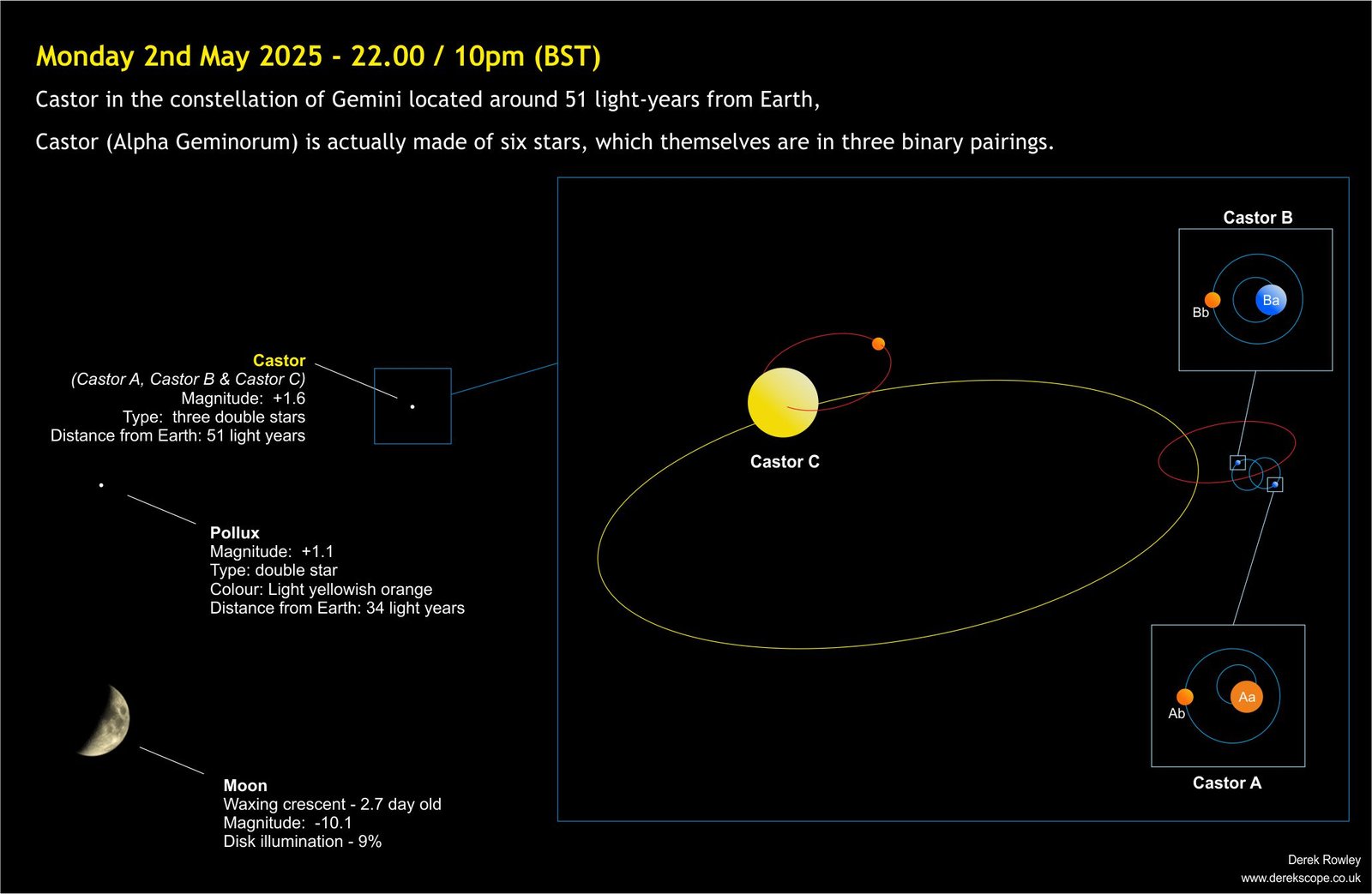
To locate castor in Gemini using the Moon as a guide, here’s a simple star-hopping method
oooo
Castor is a fascinating star system, as it’s actually a three binary stars, meaning it consists of six stars bound together by gravity!
o
oooo
How to sign binary star in BSL?
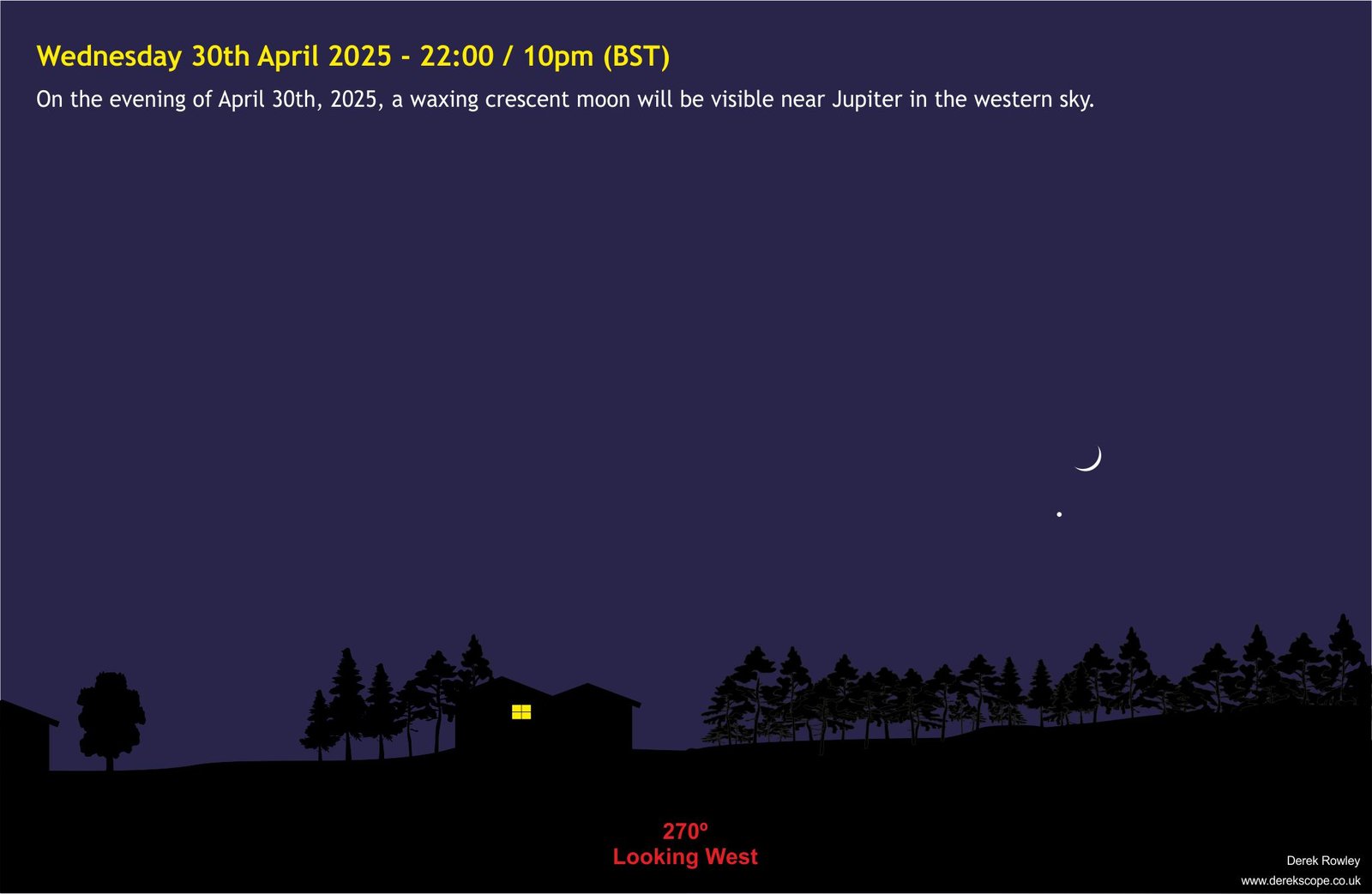
Look in the western sky about 90 minutes after sunset – the moon will be a 12%-illuminated waxing crescent. Jupiter will be a bright planet in the sky, easily visible with the naked eye.
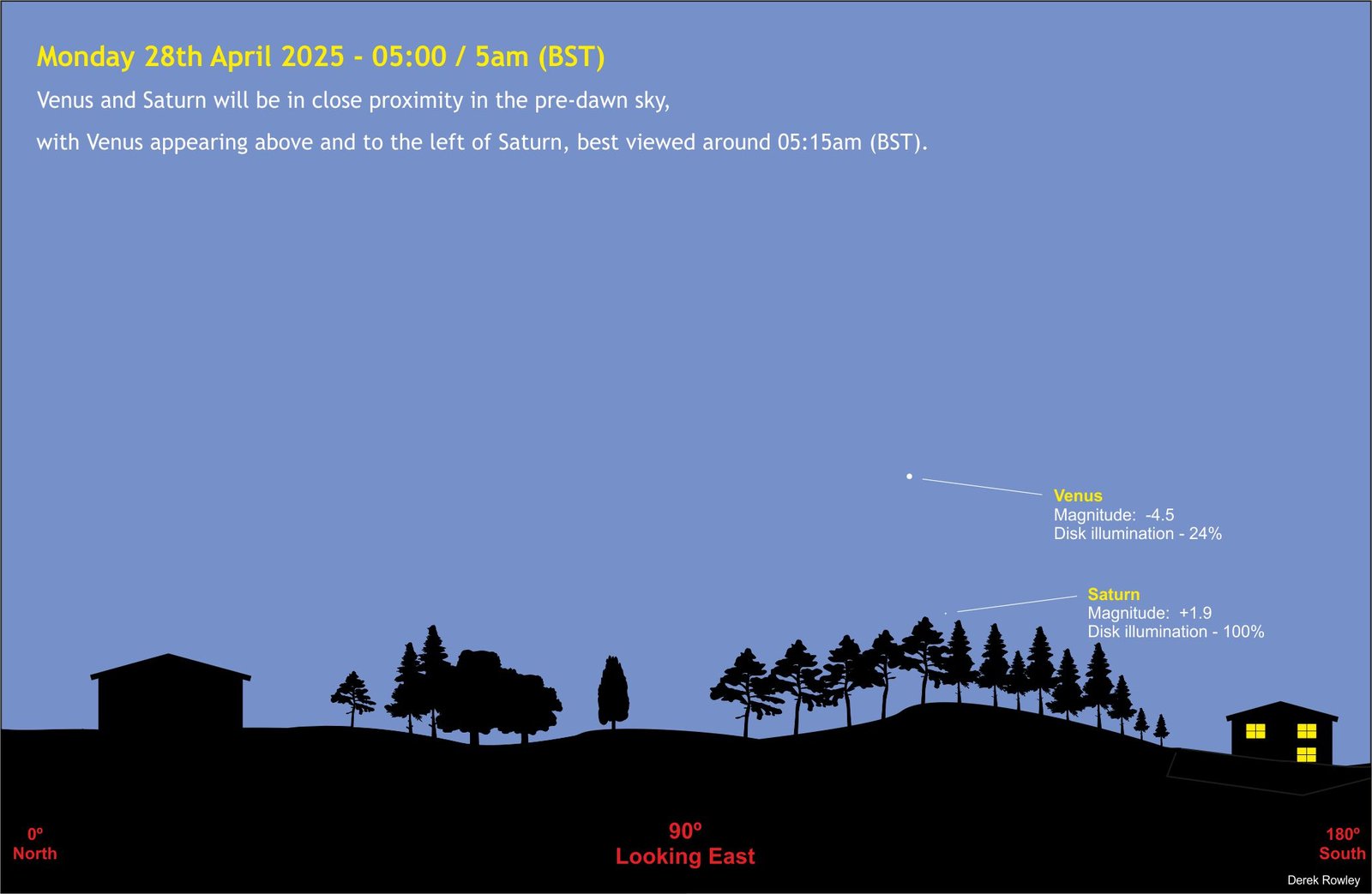
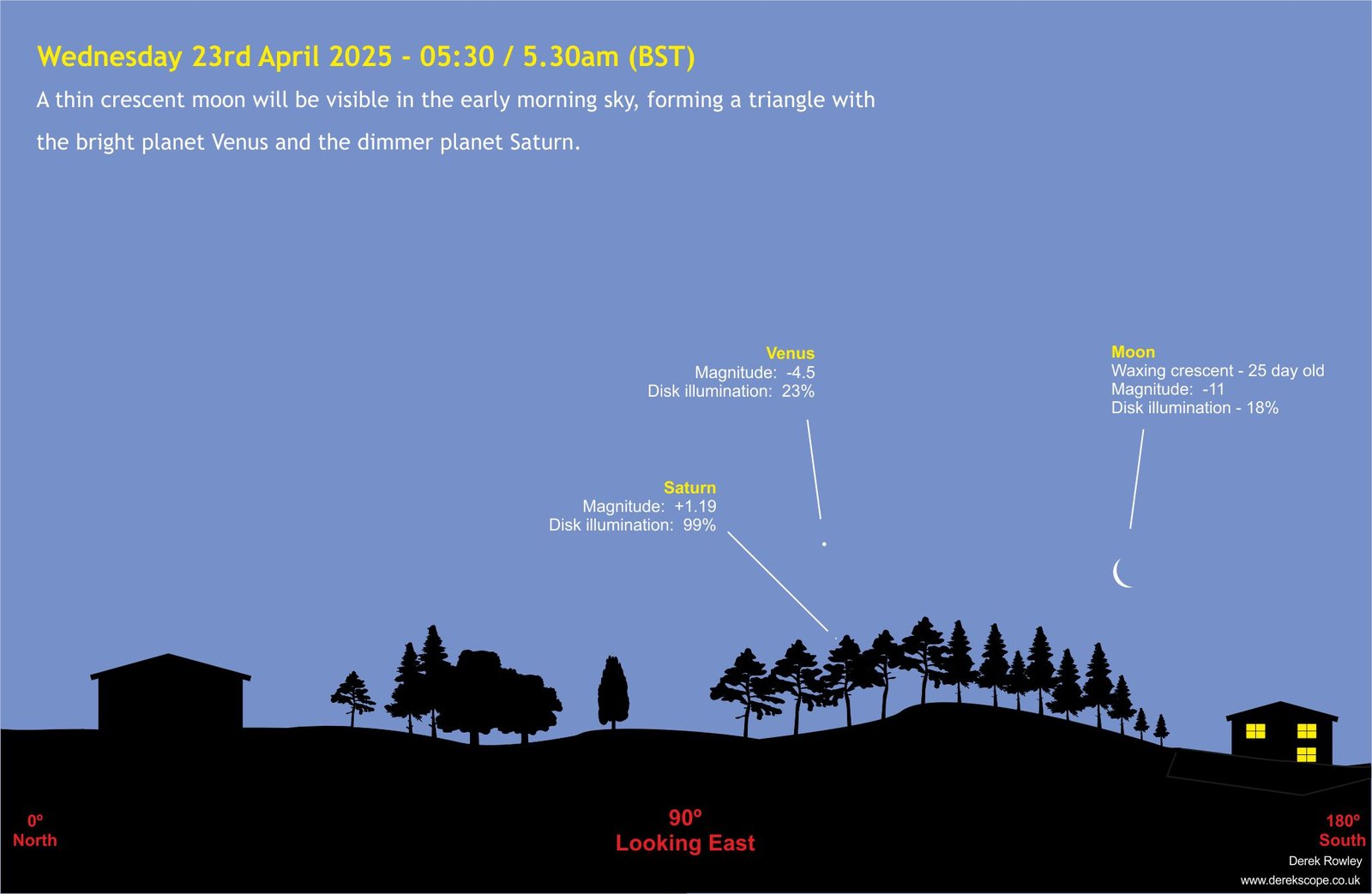
Venus, being much brighter than Saturn, will be the easier of the two to spot, but they can be seen with the naked eye or through binoculars – binoculars can help in viewing them.
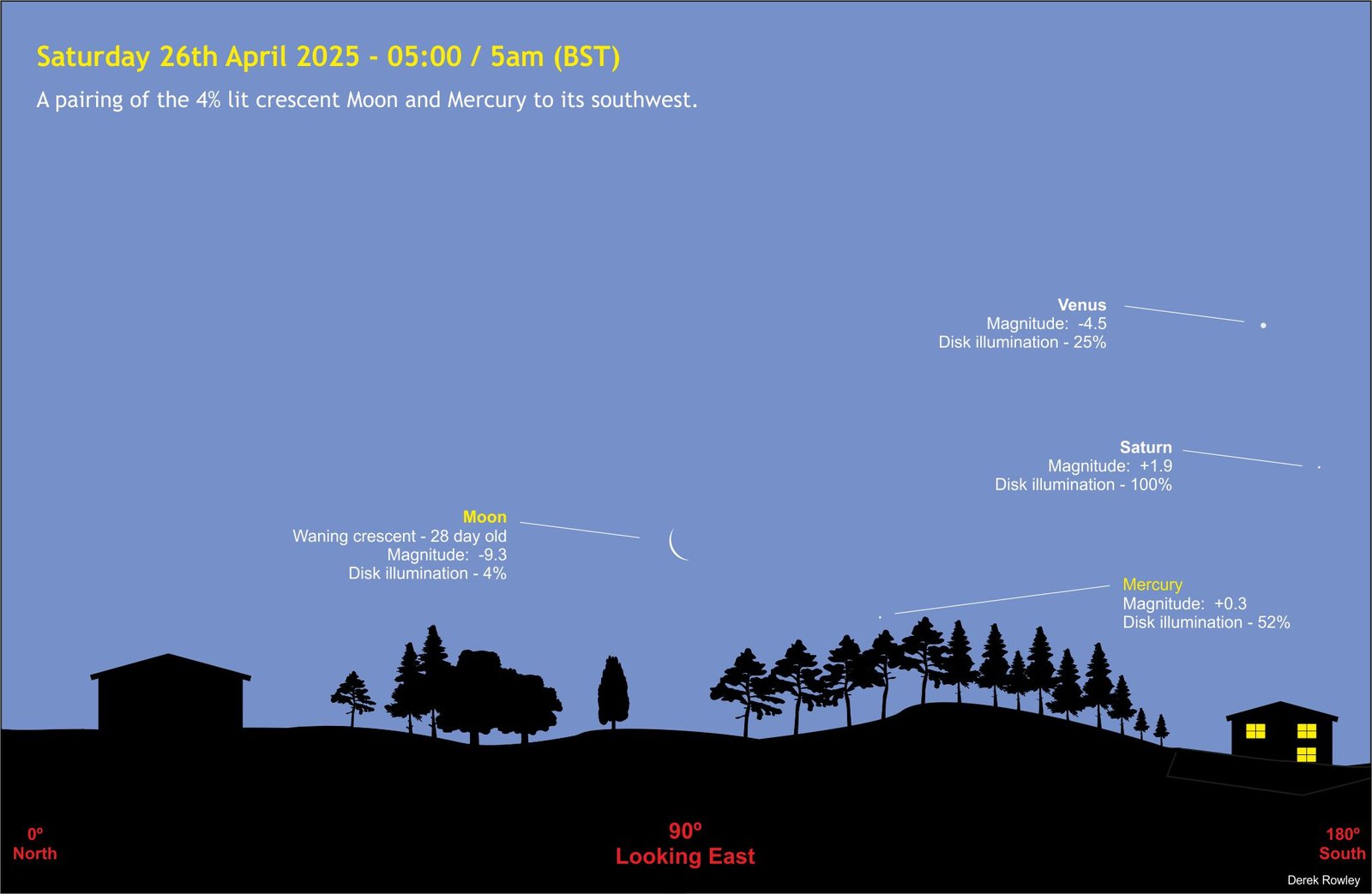
The pair will be too widely separated to fit within the field of view of a telescope, but will be visible to the naked eye or through a pair of binoculars.
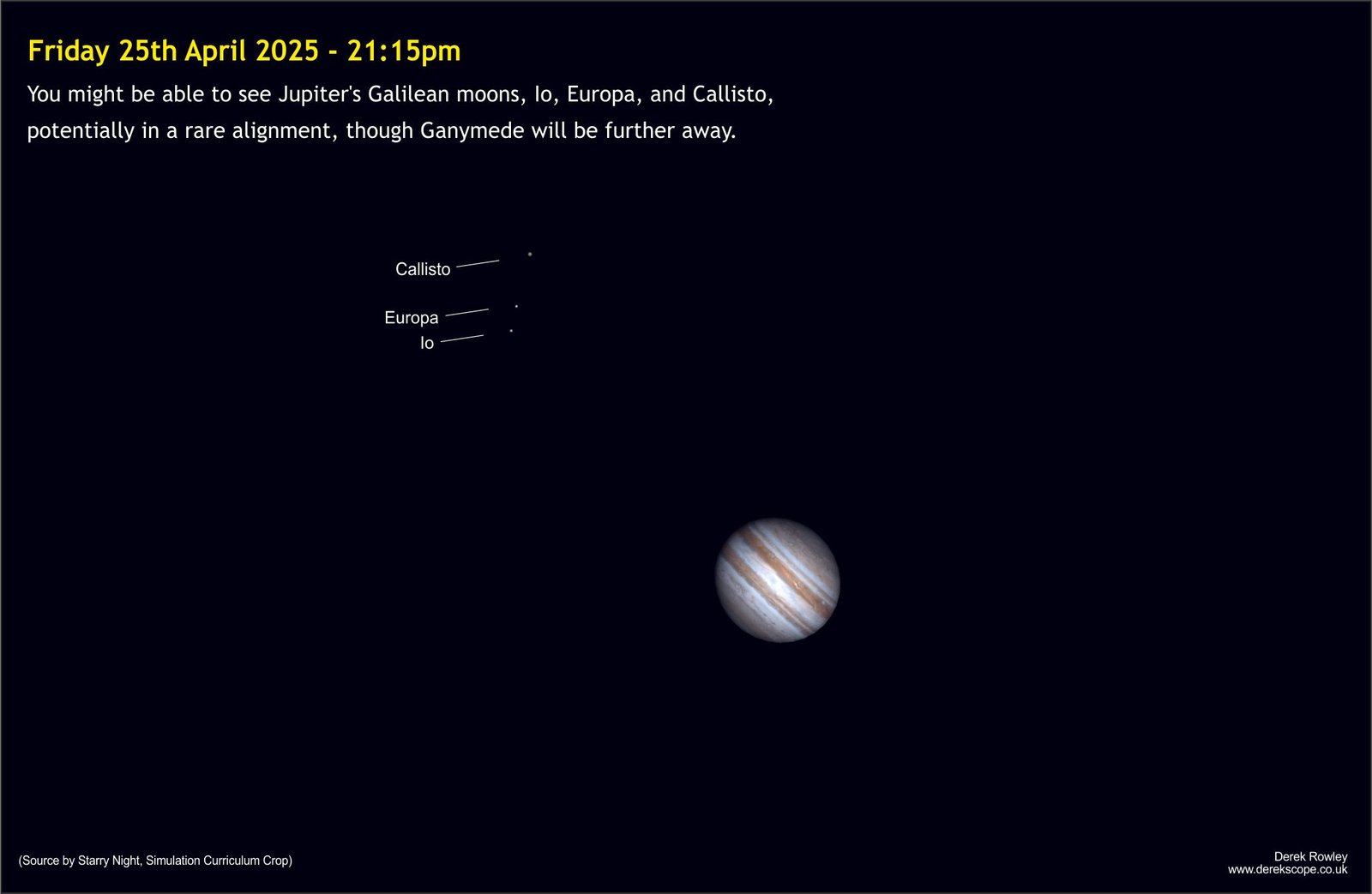
For the Jupiter’s observers, this might be unique – while these moons are often visible, their specific alignment and proximity to Jupiter tonight could make this a particularly interesting viewing opportunity.
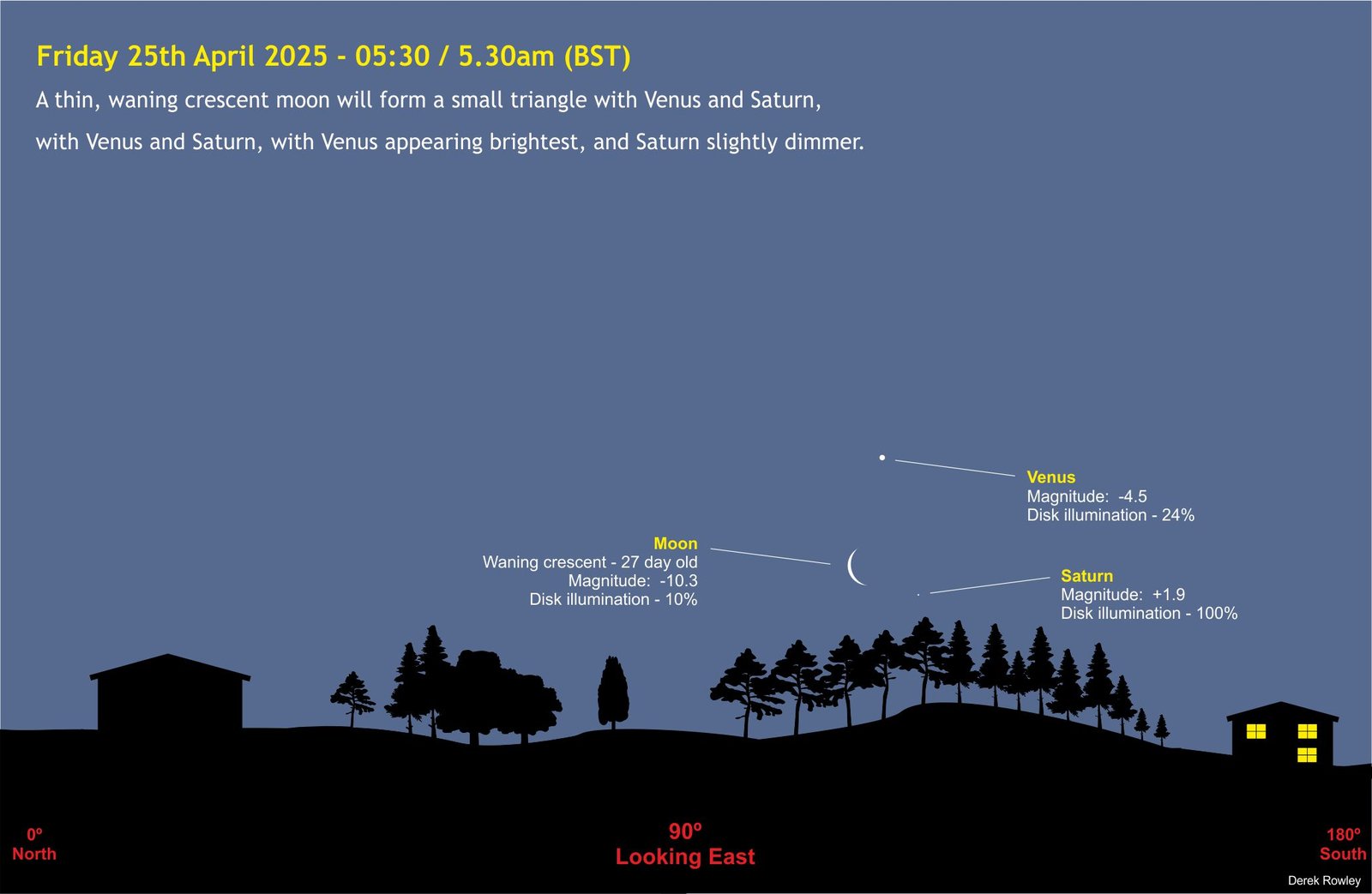
Look towards the eastern horizon as dawn breaks;
O
Venus – the brightest of the three, appearing as a very bright “morning star”.
o
Saturn – it will be noticeably dimmer than Venus, but still visible.
o
Moon – a thin, waning crescent, about 10% illuminated.
o
Consider using binoculars or a telescope for a closer view of Venus and Saturn.
This observation will be possible about 30 minutes before sunrise, if the eastern horizon is unobstructed.