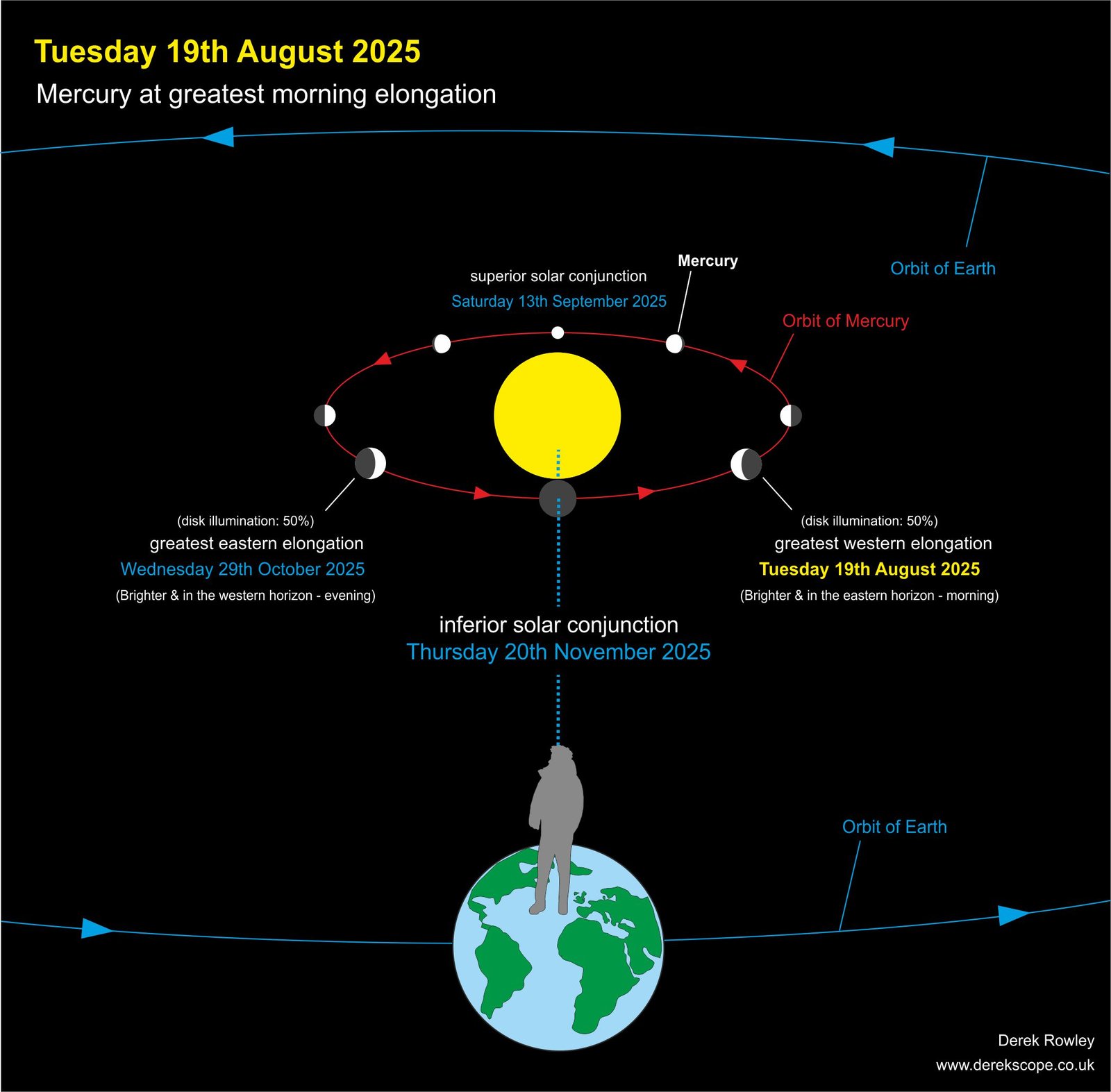
Mercury reaches its greatest western elongation – that means it’s best seen in the morning sky, just before sunrise.
o

BSL
Astronomy
(British Sign Language)




BSL available
at ENS optical
Astronomy Telescope
retailers at Birmingham
Facetime
Derek can help with it.
British Sign Languages
Interest to learn
BSL Basic for fun?
o
More information
for your BSL journey.





BSL available
at Roboscopes
Facetime
Derek can help with it.
Mercury reaches its greatest western elongation – that means it’s best seen in the morning sky, just before sunrise.
o
The Red Moon ~ where the Moon illusion is appears larger near the horizon.
o
The reddish appearance of the moon through the frequent sultry hazes of August also prompted a few tribes to dub it the Red Moon.
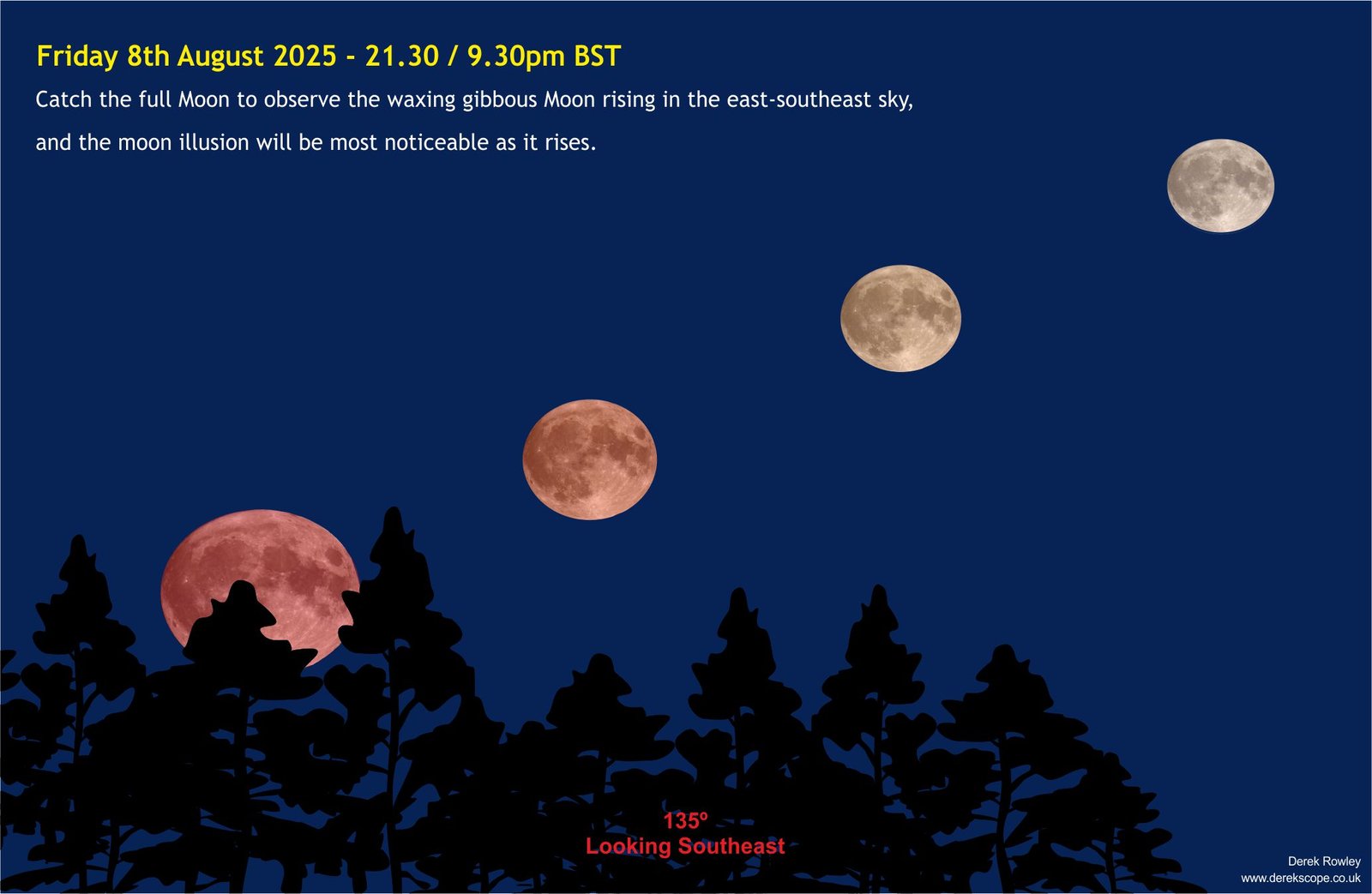
To observe the Moon appearing as a bright, nearly full Moon, rising in the east-southeast sky, and the moon illusion will be most noticeable as it rises.
oooo
How to sign Moon in BSL?
oooo
Saturn & Neptune at 180º South (4.30am BST)
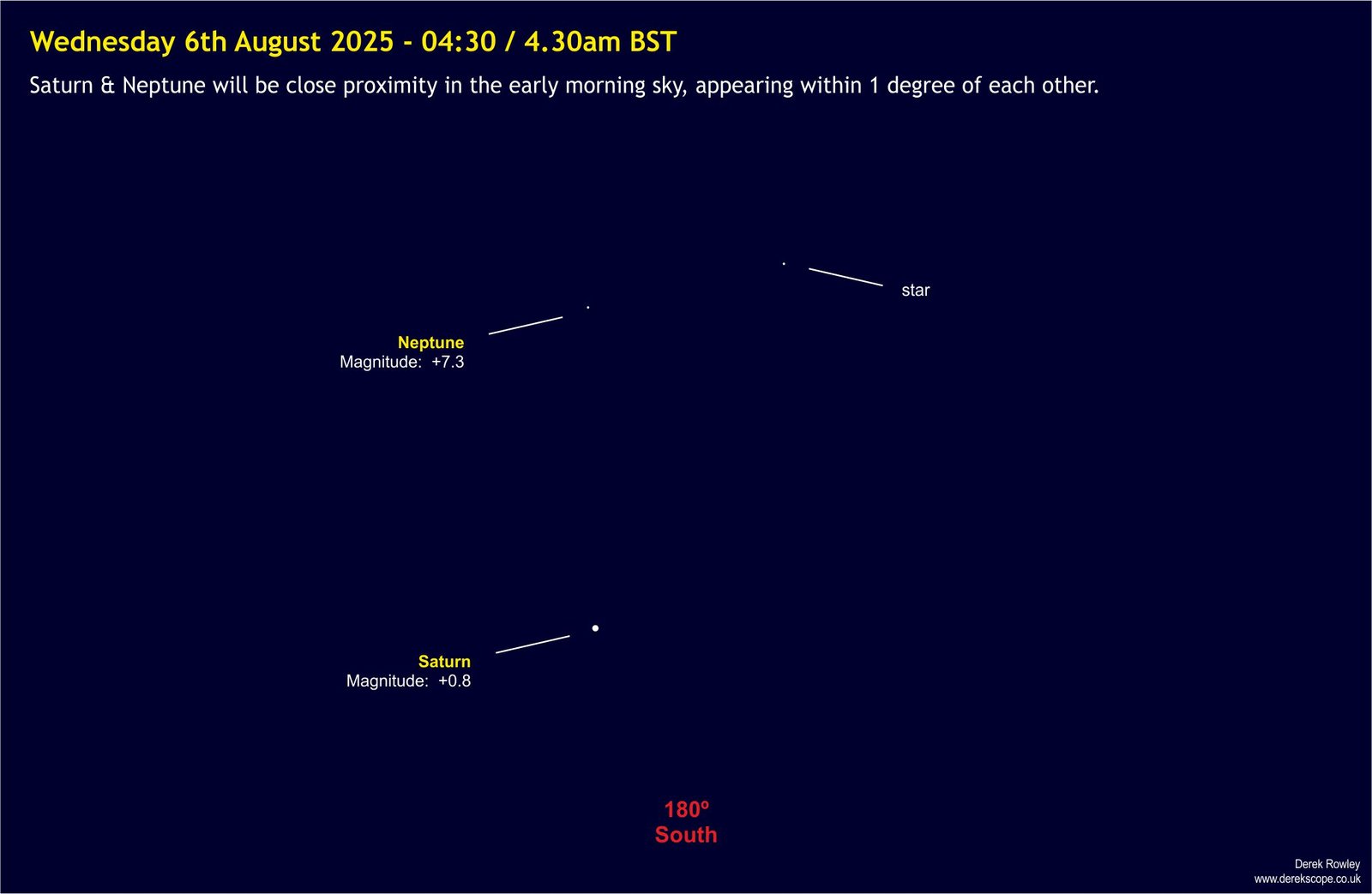
This conjunction will be most visible in the pre-dawn hours.
o
Saturn, being relatively bright, will be easily visible to the unaided eye, while Neptune, being much fainter, will require binoculars or a small telescope for observation.
How to sign Saturn & Neptune in BSL?
oooo
Look at the south-southwest horizon, Antares can be mistaken for Mars in the constellation Scorpius.
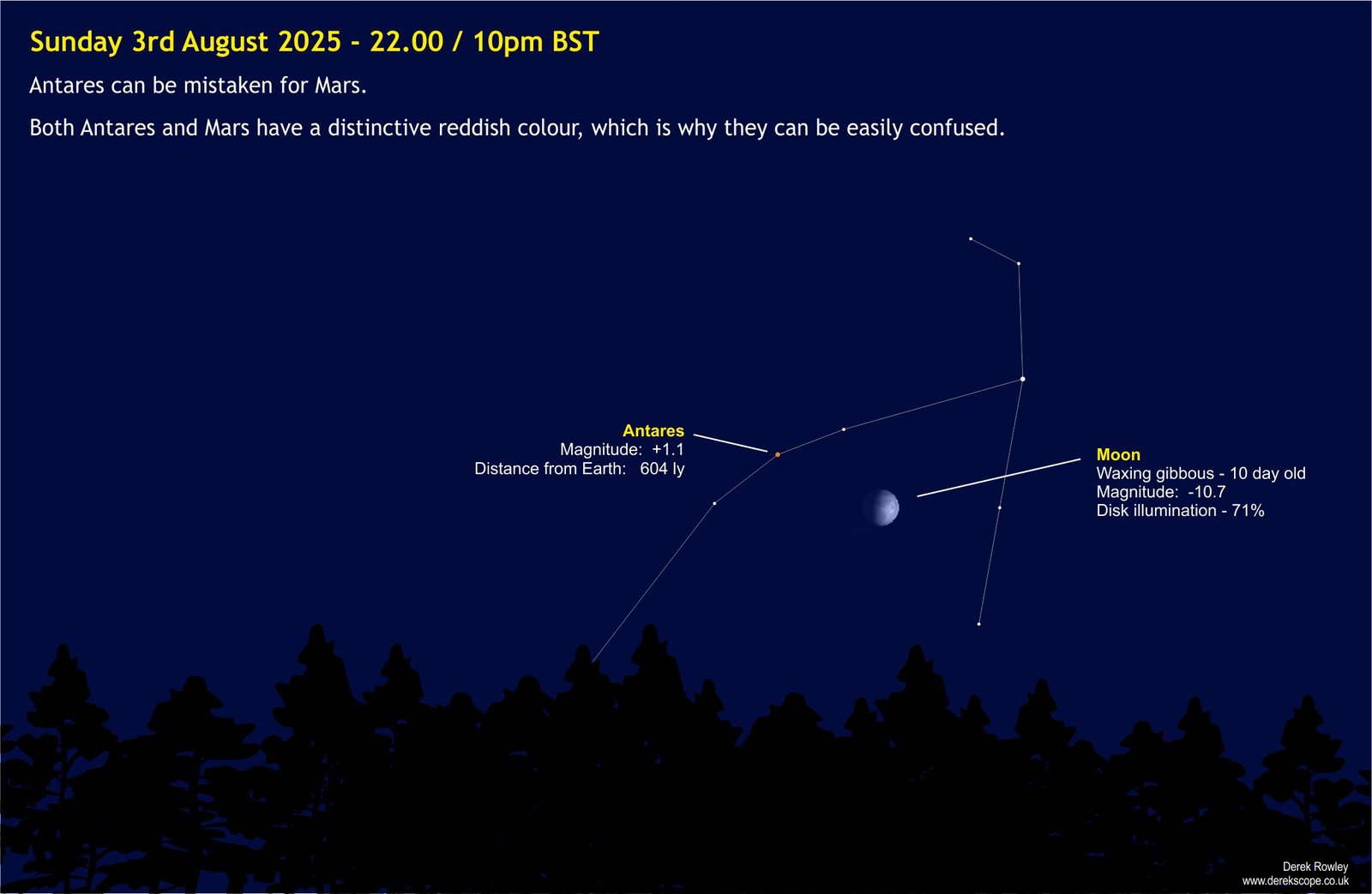
The Moon and Antares will appear close together in the sky, but not occulted, in some regions (Polynesia, New Zealand, South America, ad Antarctica), the Moon will occult Antares, meaning it will pass in front of the star, making it briefly disappear.
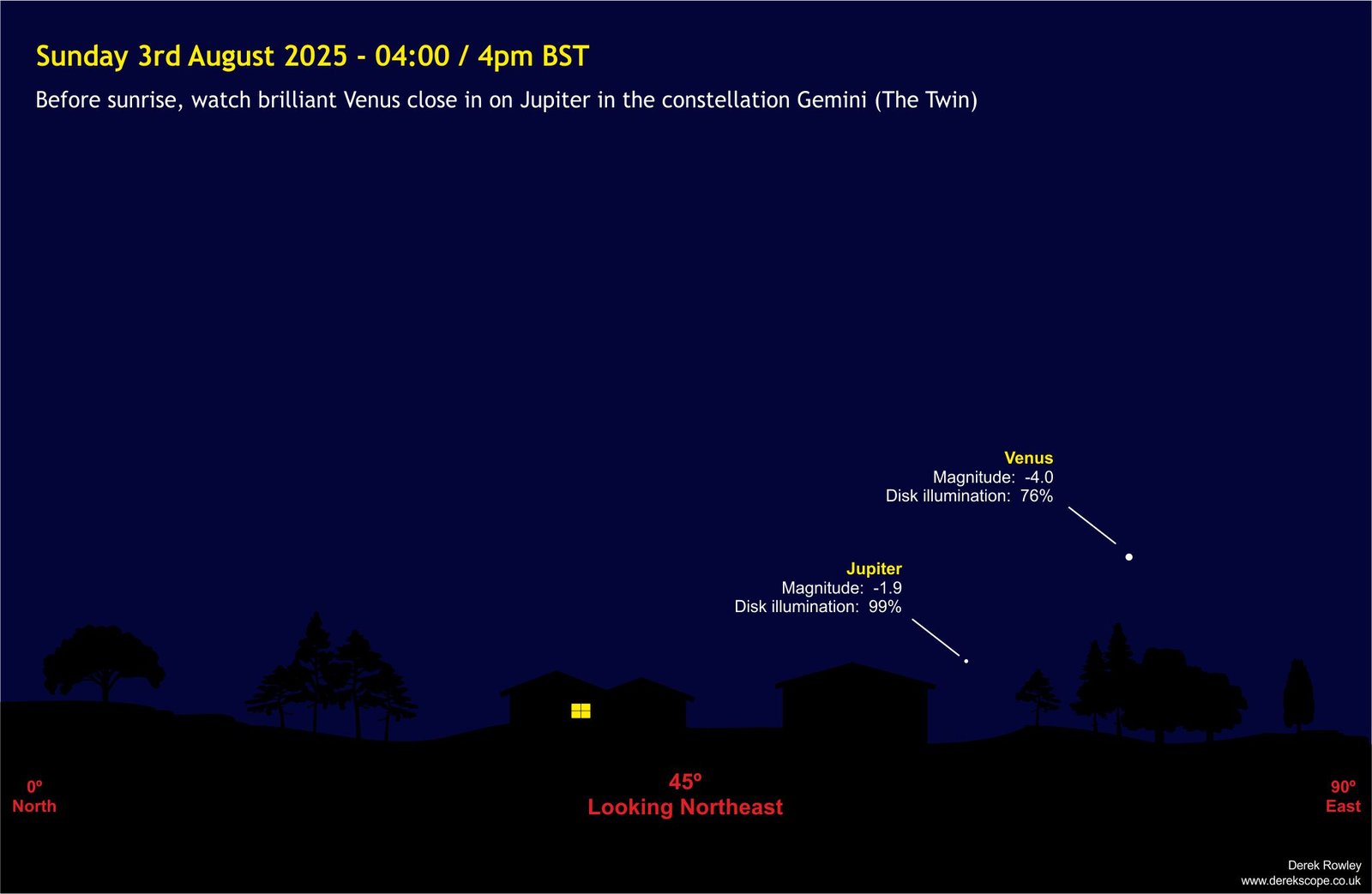
Jupiter and Venus will be visible in the predawn eastern sky, drawing closer together as they head towards their conjunction on August 12th.
oooo
They will be in the constellation Gemini, and while they might be too far apart to fit in a telescope’s field of view, they will be visible to the naked eye or with binoculars.

Mars can be found in the west as evening twilight.
o
Binoculars will be increased the view, especially with the moon’s nearness.
o
How to sign Earthshine in BSL?
o
Moon, Venus & Jupiter

Look towards the east before sunrise
Moon will be positioned between Venus and Jupiter, a clear view of the eastern horizon should allow you to spot both planets, with Jupiter appearing low in the sky.
o
On Wednesday 23rd, the Moon will be very close to Jupiter in the early morning in the eastern sky before sunrise.
o
Moon forms diamond with Venus, Aldebaran and M45

Facts about the orange-red giant star, Aldebaran, and about 65 light years distance from Earth – roughly 44 times the Sun’s radius, and it marks the eye of the Bull in the constellation Taurus.
o
Best time to view in the UK – look up around 3:30 – 4:30am and Earthshine may be visible on the Moon that soft glow on the dark side caused by sunlight reflecting off Earth.
o
Moon & M45 (Open Cluster)

The Moon and the Pleiades (M45) will appear close together in the UK sky, visible in the pre-dawn hours.
o
The two will be very close, within a degree of each other, making for a beautiful sight, especially with binoculars. (The Pleiades, also known as the Seven Sisters.)
o
Neptune & Saturn will appear very close together.

The Moon, Neptune, and Saturn will form a tight grouping in the early morning sky, just before dawn, making them visible in the same binoculars or low-power telescope field.
o
Best viewing time around 3am, when the planets are high enough above the southern-eastern horizon for a clear view.
o
This rare alignment offers a perfect opportunity for the stargazers and astrophotographers.