signWOW opensthe night sky forDeaf beginners withclear,visual, & hands‑onlearning,made possiblethroughsignWOW kindlygesture in contributing two iPads.
Two signWOW iPads fordiscovering how to capturethe Moon, planets, andstars using simple tools,step‑by‑step guidance,and the support of acommunity that signs,shares, and shinestogether.
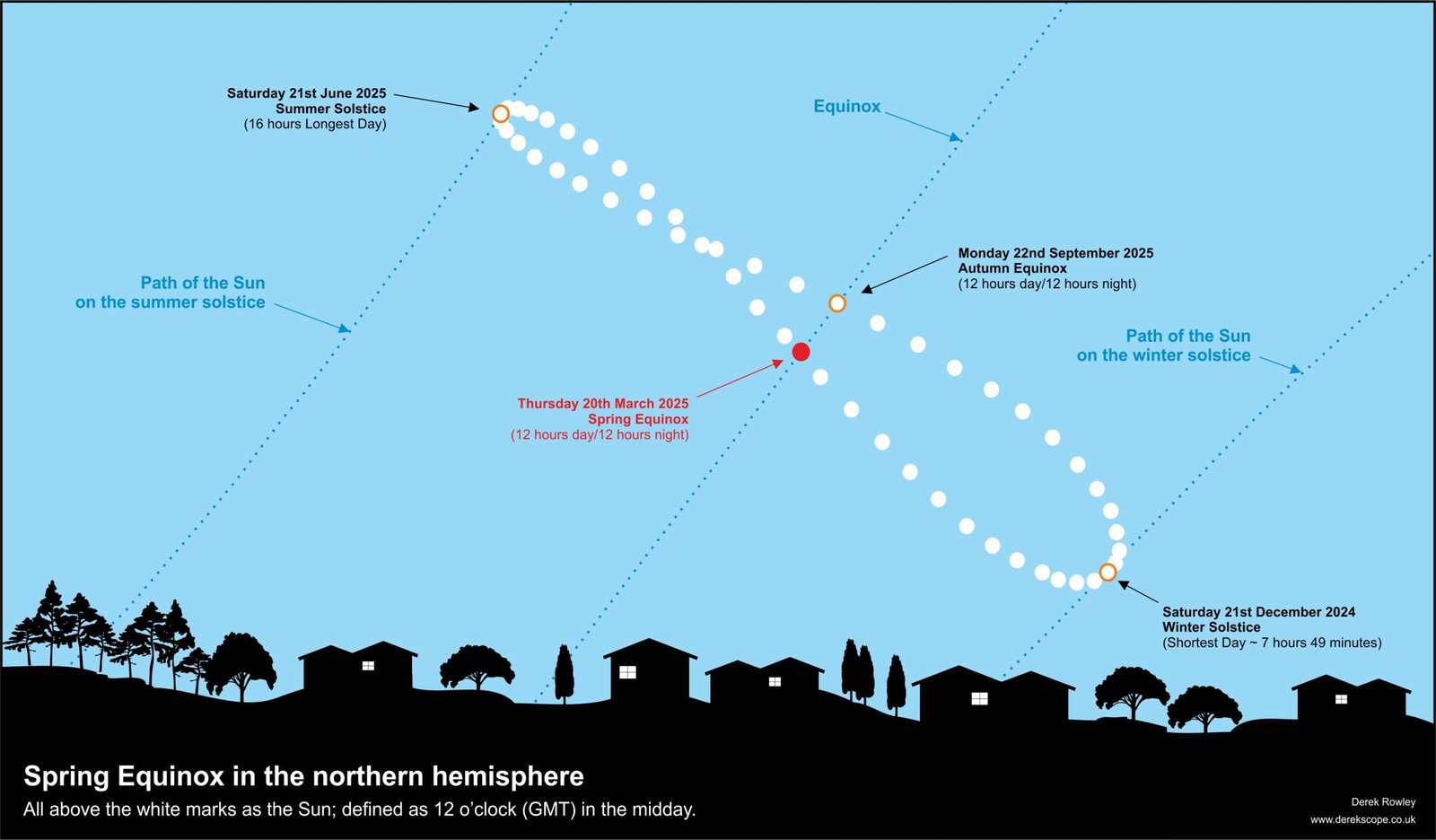
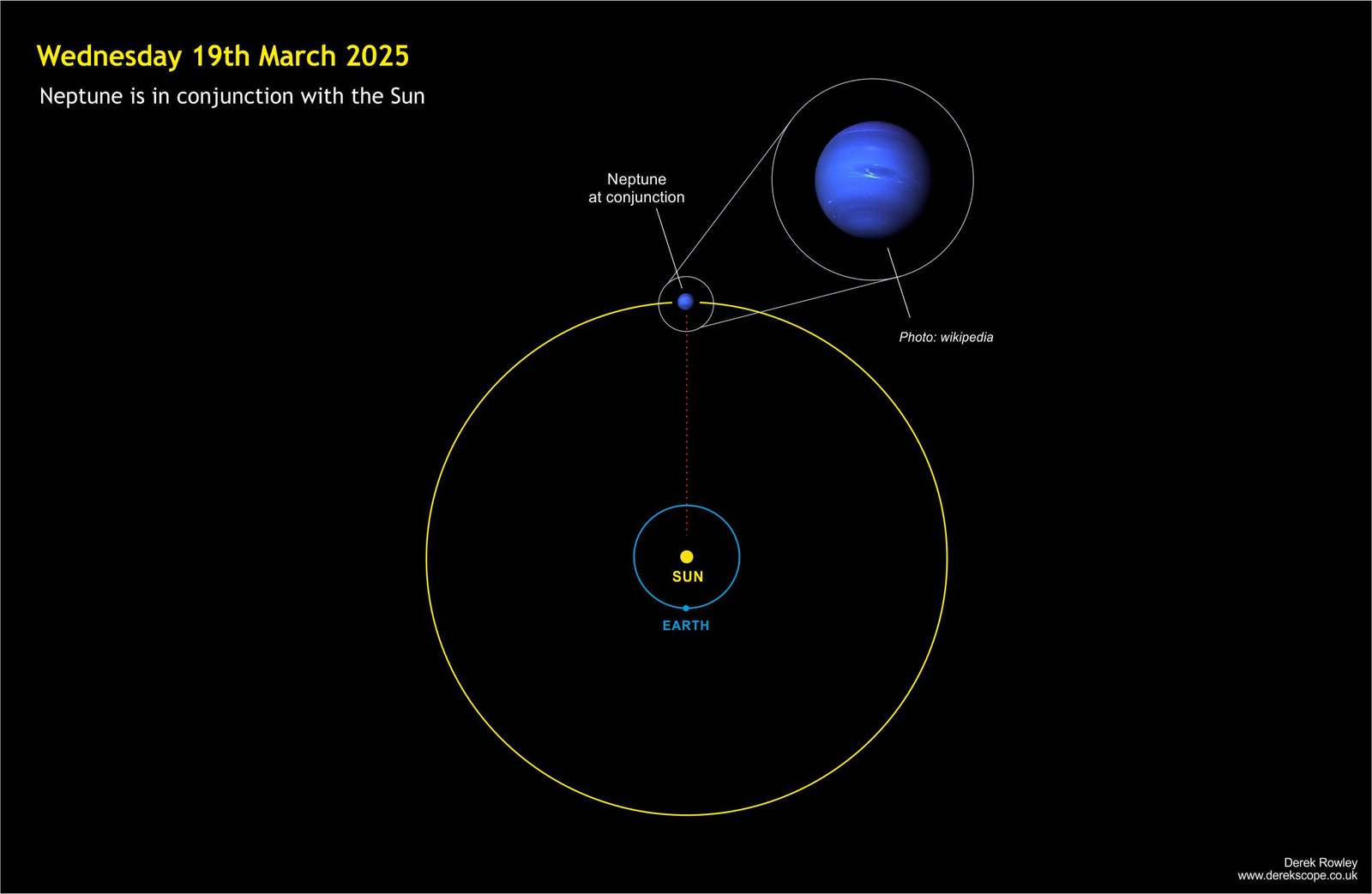
The spring equinox in 2025 will take place today at 09:01am (usually around 23rd March) – day and night will be nearly equal in length as the Sun crosses the celestial equator from south to north. It marks the official start of spring in the Northern Hemisphere.
Fact about the Porrima star system consists of six planets and fifteen moons – it provides an exciting setting for exploration in the vastness of space. o
Posted inHomepage (Posts)|Comments Off on Saturday 15th March 2025
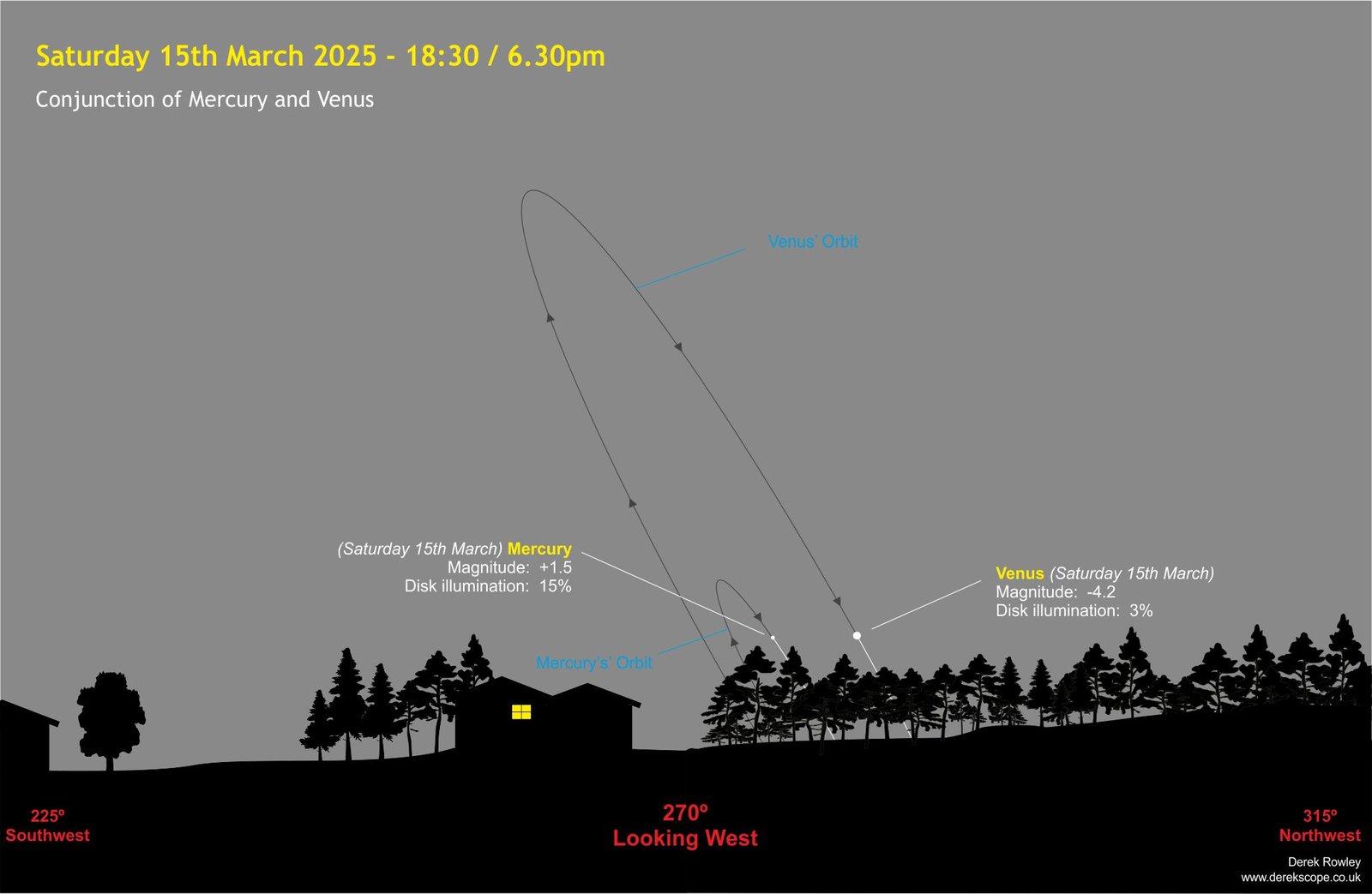
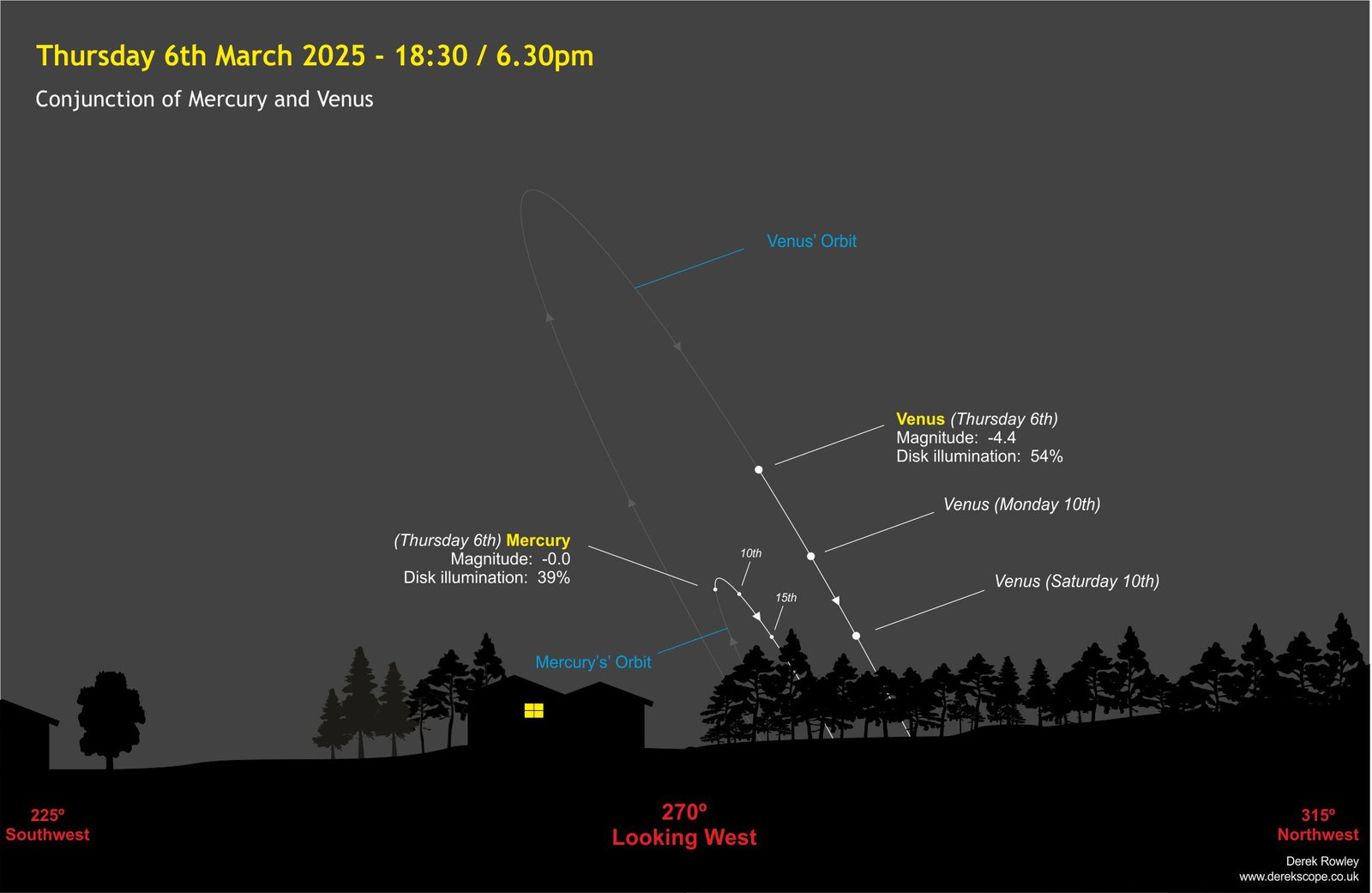
Venus and Mercury will share the same right ascension tonight – the pair will be too widely separated to fit within the field of view of a telescope or pair of binoculars, but will be visible to the naked eye.
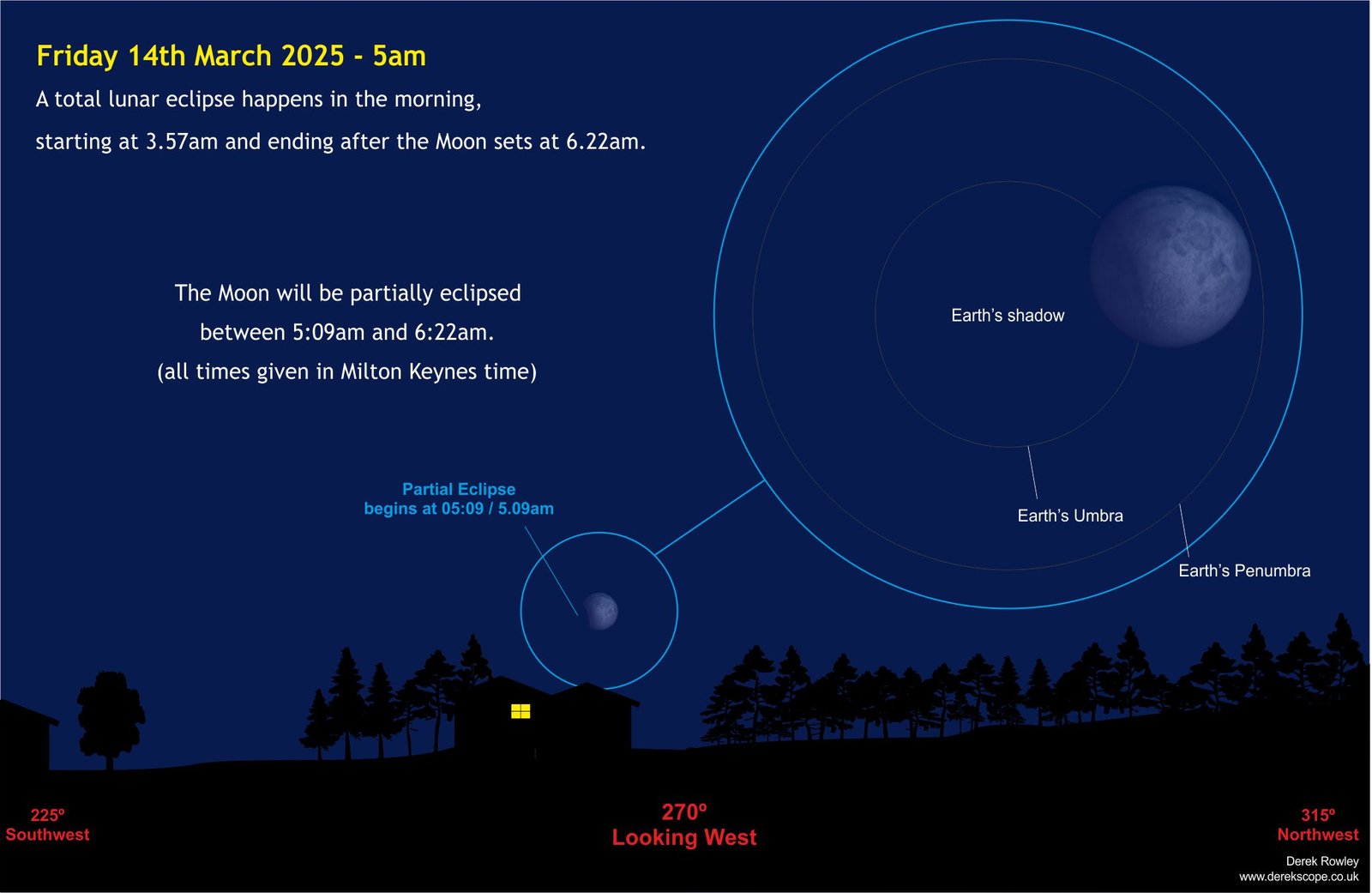
Partial Lunar Eclipse in the UK (All times shown above are given in Milton Keynes)
Begins: 03:57am – the Earth’s penumbra start touching the Moon’s face. oooo Maximum: 6.20am – this is the moment when the eclipse reaches its greatest magnitude while the entire Moon is above the horizon in Milton Keynes. The true maximum point of this eclipse cannot be seen in Milton Keynes because the Moon is below the horizon at that time. oooo Ends 06:22am – below horizon. oooo
The eclipse will be visible any location where the Moon is above the horizon at the time, including from the Americas, Antarctica, Alaska, north-eastern Russia and Africa. o
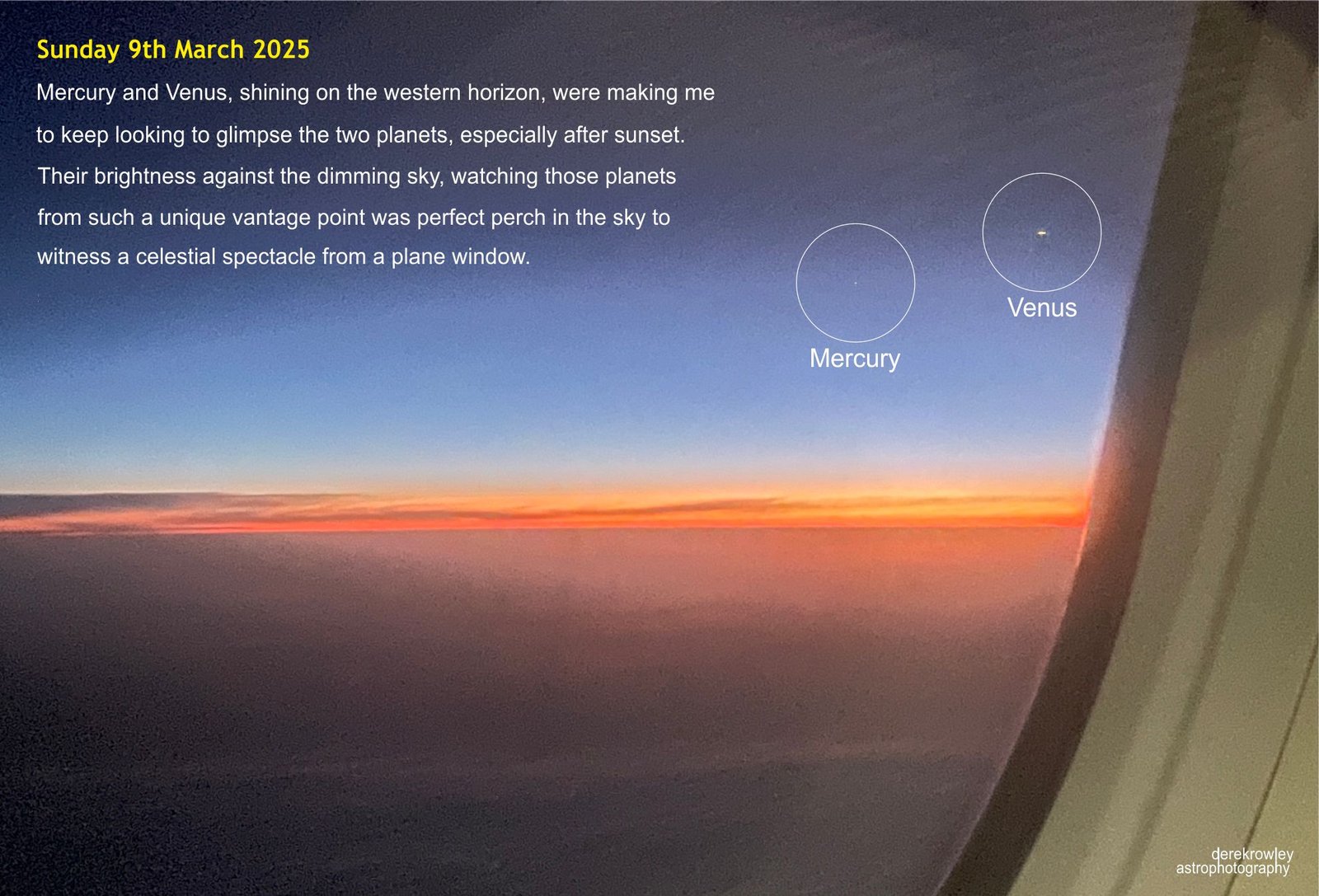
Planetary conjunction – for observers in the British Isles, the best time to look for Mercury is about 45 minutes after sunset, to ensure success, you will need to find a location that offers a level horizon due west unobstructed by houses or trees.
Posted inHomepage (Posts)|Comments Off on Monday 10th March 2025
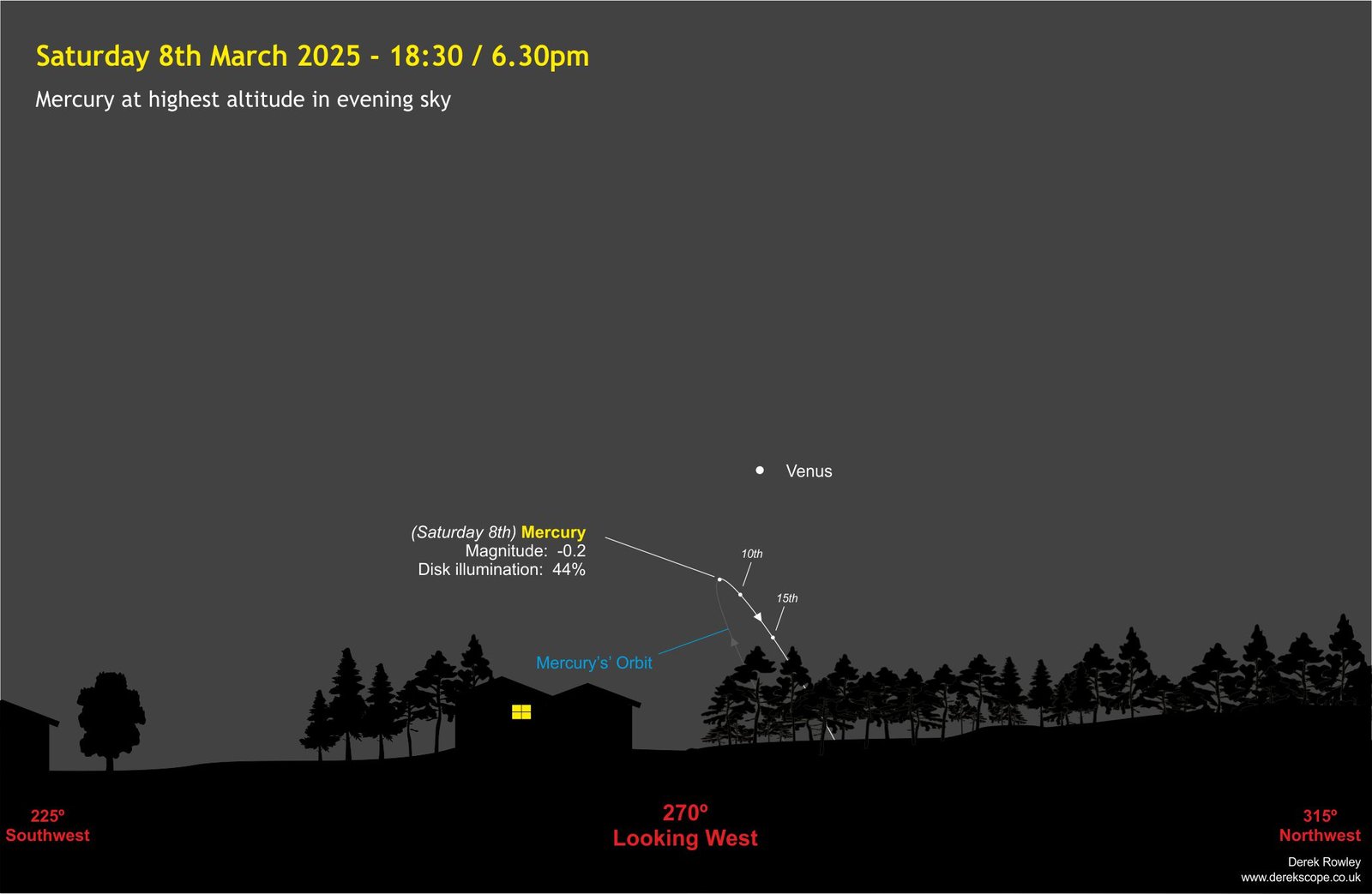
Mercury at highest altitude – this mean Mercury will reach its greatest elongation east, its farthest point from the Sun, for the first time in 2025 on Saturday 8th March as it’s an eastern elongation this will be best seen in the evening.
Posted inHomepage (Posts)|Comments Off on Saturday 8th March 2025
A conjunction of Venus and Mercury is when the planets appear close together in the twilight evening sky. o From high latitude view, the pair will become visible at around 18:30 / 6.30pm.
Posted inHomepage (Posts)|Comments Off on Thursday 6th March 2025
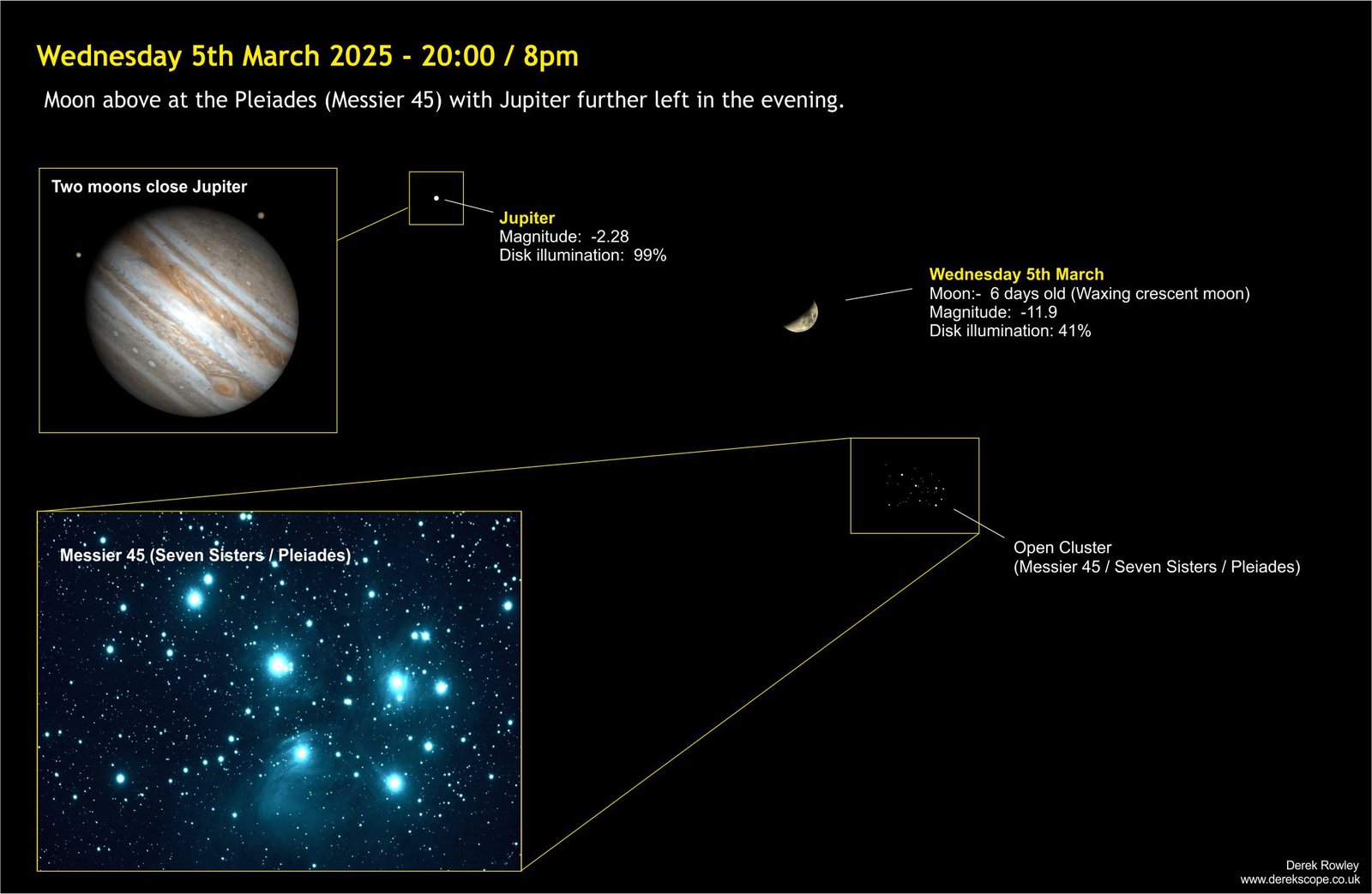
The Pleiades Also known as Messier 45 or the “Seven Sisters,” is a bright open star cluster located in the constellation Taurus – it’s a stunning sight in the night sky, especially when accompanied by the Moon and Jupiter. o This alignment can be observed with the naked eye, but using binoculars or a small telescope can enhance the view and reveal more details – see below to see how two moons are closing to Jupiter tonight.
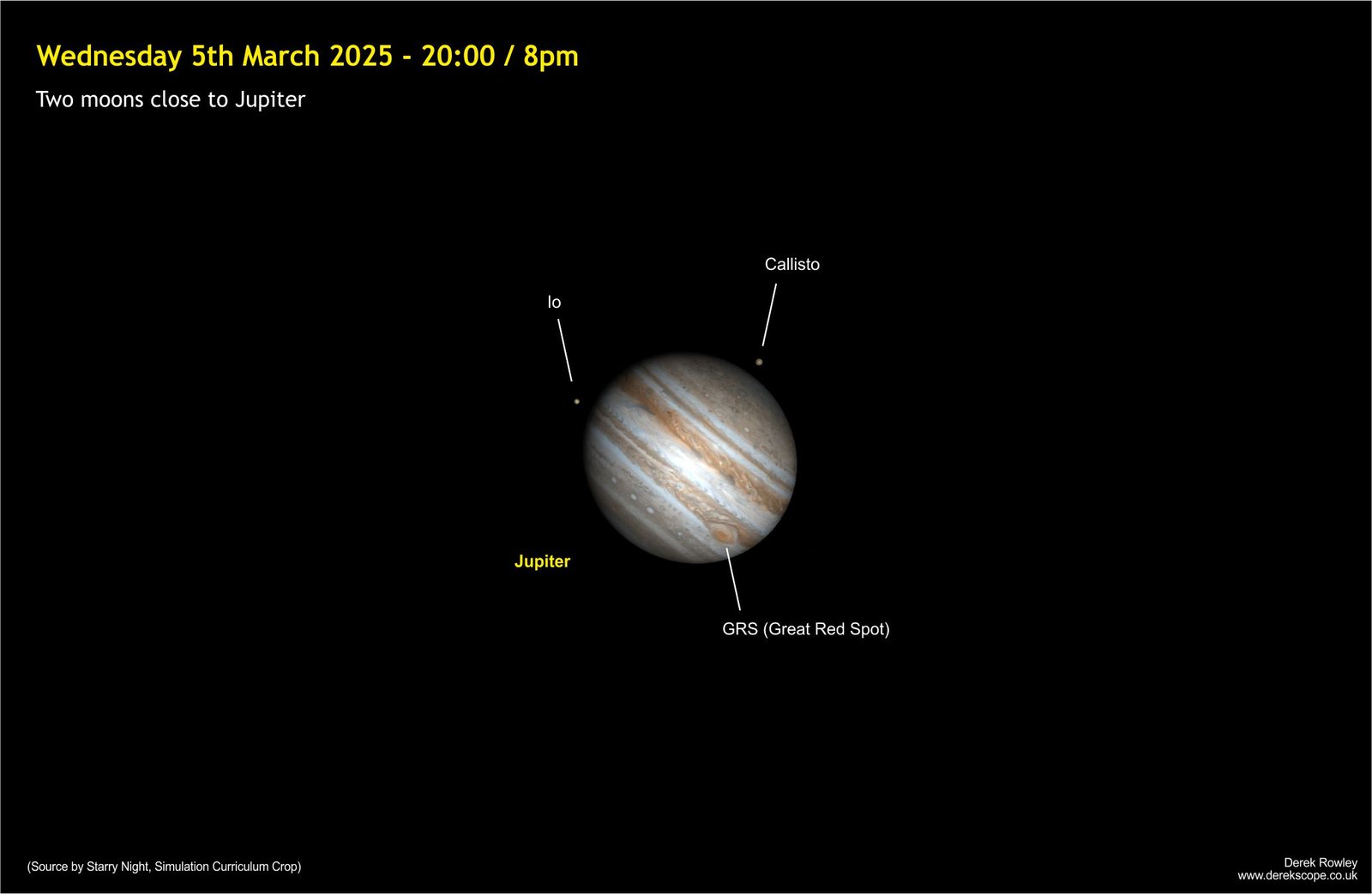
Two moons close to Jupiter If you’re seeing “two moons close to Jupiter tonight,” you’re likely observing two of Jupiter’s Galilean moons – Io and Callisto, which can often be seen near Jupiter with a decent pair of binoculars or a small telescope – they appear as bright “stars” close to the planet.
Posted inHomepage (Posts)|Comments Off on Wednesday 5th March 2025