oooo
o
oooo
oooo
Pinched Optics
o
In astrophotography:
Occurs when one or more optical elements (usually the primary mirror, secondary mirror, or refractor lens elements) are held too tightly by their cell, retaining rings, or mounting clips.
o
o
Deforms at the point of contact:
When mechanical pressure is over-tightened, the glass physically deforms at the point of contact.
o
Because telescope optics are manufactured to sub-wavelength tolerances, even microscopic pressure alters the curve of the glass, distorting how light focuses onto your sensor.
o
o
oooo
oooo
oooo
oooo

oooo
oooo
Visual Symptoms
o
O
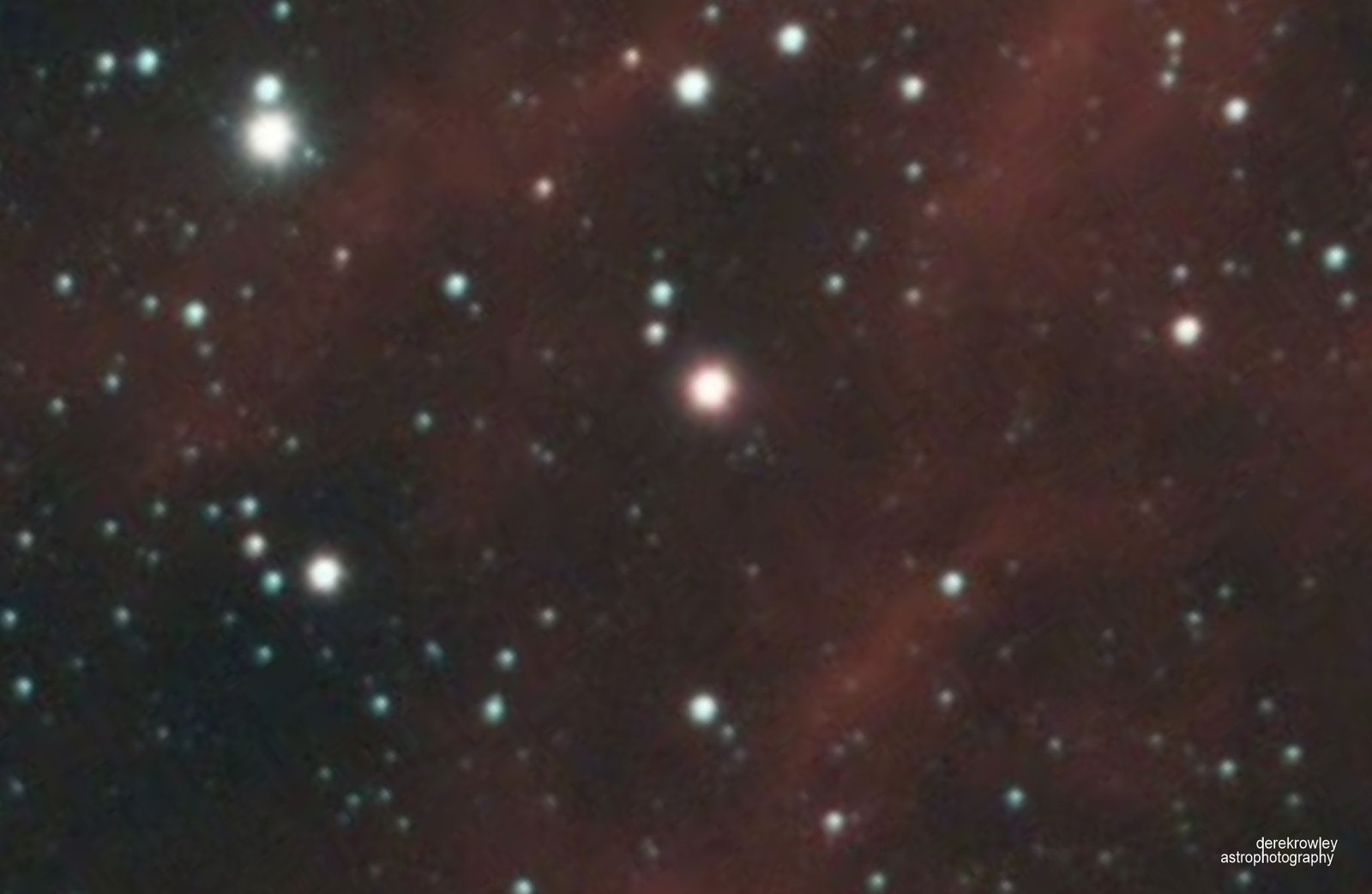
Triangular or Polygonal Stars
Round stars appear pinched into subtle triangles (common with 3-clip mirror mounts or 3-point refractor cells) or irregular, faceted shapes.
Asymmetric Spikes / Flares:
Bright stars sprout unnatural radial spikes or flaring, radiating directly outward from the points where mechanical clips press against the optic.
Distorted Out-of-Focus Stars:
When racked slightly out of focus, the round “donut” or diffraction rings appear flattened, square, or distorted along the edges instead of concentric and perfectly circular.
o
o
oooo
oooo
oooo
oooo
Common Causes
oooo
Over-Tightened Mirror Clips:
Primary mirror retaining clips screwed down so firmly that they press directly onto the front surface of the glass instead of leaving a hairline gap.
Thermal Contraction (Cold Weather):
Telescope cells made of metal (aluminium, steel) contract faster and more significantly in cold night air than glass optics do, squeezing the lens or mirror tight as temperatures drop.
Tight Retaining Rings:
Refractor front-lens retaining rings or filter thread rings torqued down too tightly.
Secondary Mirror Mounting:
Secondary mirrors glued down with rigid adhesive across their entire back surface, or pinched tightly inside plastic/metal holders.
o
o
oooo
oooo
oooo
oooo
oooo
oooo
How to Fix Pinched Optics
oooo
Loosen Retaining Clips (Newtonians/Reflectors):
Mirror clips are designed to prevent the mirror from falling out, not to clamp it down.
Loosen the clip screws until you can slide a thin piece of paper (or a business card) between the rubber clip and the optical surface.
The mirror should be able to rotate slightly in its cell with light finger pressure.
Back Off Retaining Rings (Refractors/Filters):
Unscrew the front retaining ring slightly using a spanner wrench or rubber grip, then snug it back up until it just touches the glass with zero extra torque.
Account for Temperature Drop:
If star pinching only appears on cold nights, loosen the cell/retaining hardware slightly while inside at room temperature to allow room for metal contraction outdoors.
Check Secondary Glue/Mounts:
If using a glued secondary mirror, use three small blobs of flexible silicone (RTV) rather than covering the entire back of the mirror in adhesive.
o
o
oooo
oooo
oooo
Back to
oooo
Back to page 25
Next to page 27
oooo
Page 26 – Pinched Optics Derek Rowley – Derekscope’s BSL Guide to Deep-Sky Imaging
oooo
oooo