signWOW opensthe night sky forDeaf beginners withclear,visual, & hands‑onlearning,made possiblethroughsignWOW kindlygesture in contributing two iPads.
Two signWOW iPads fordiscovering how to capturethe Moon, planets, andstars using simple tools,step‑by‑step guidance,and the support of acommunity that signs,shares, and shinestogether.
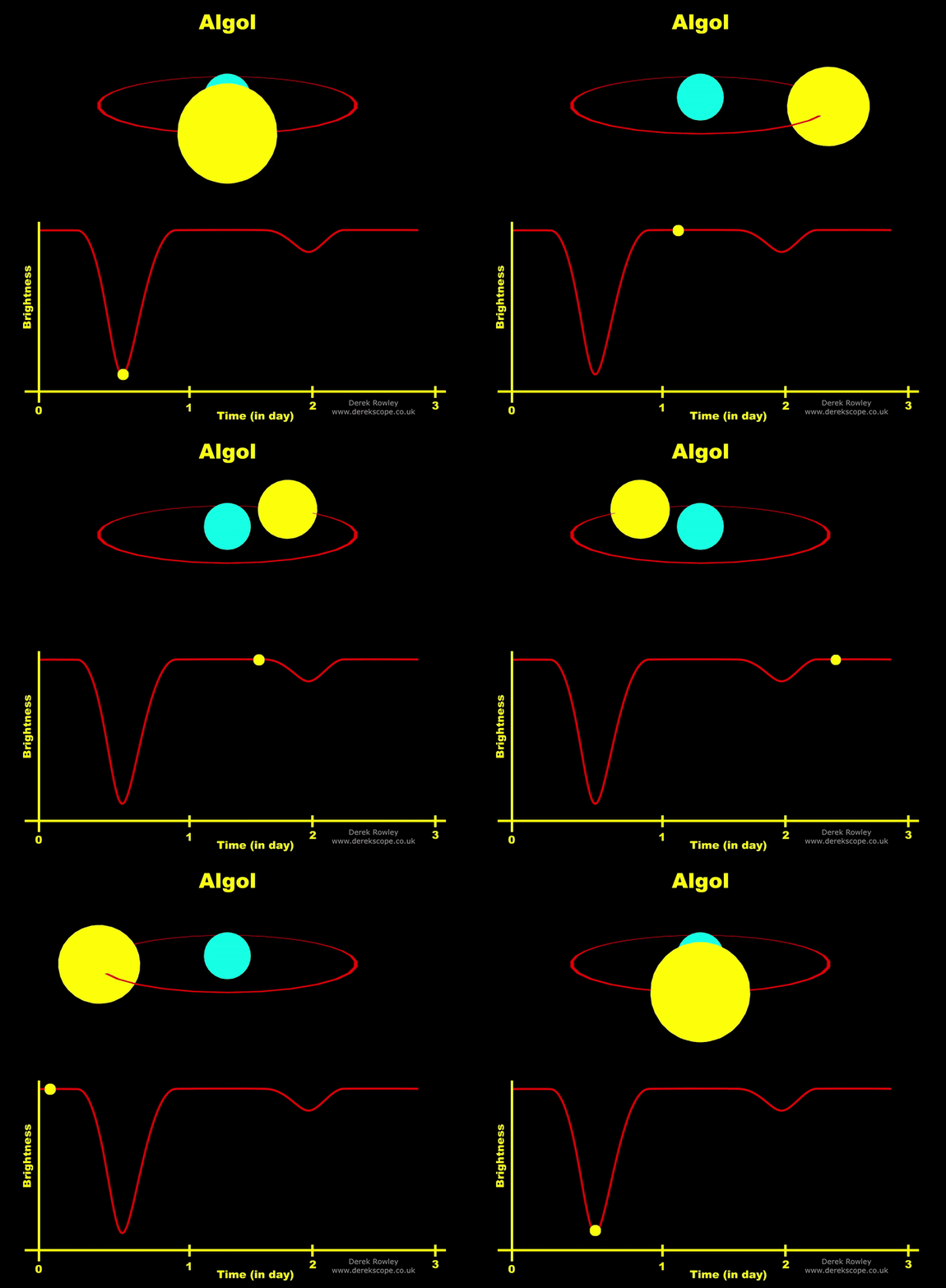
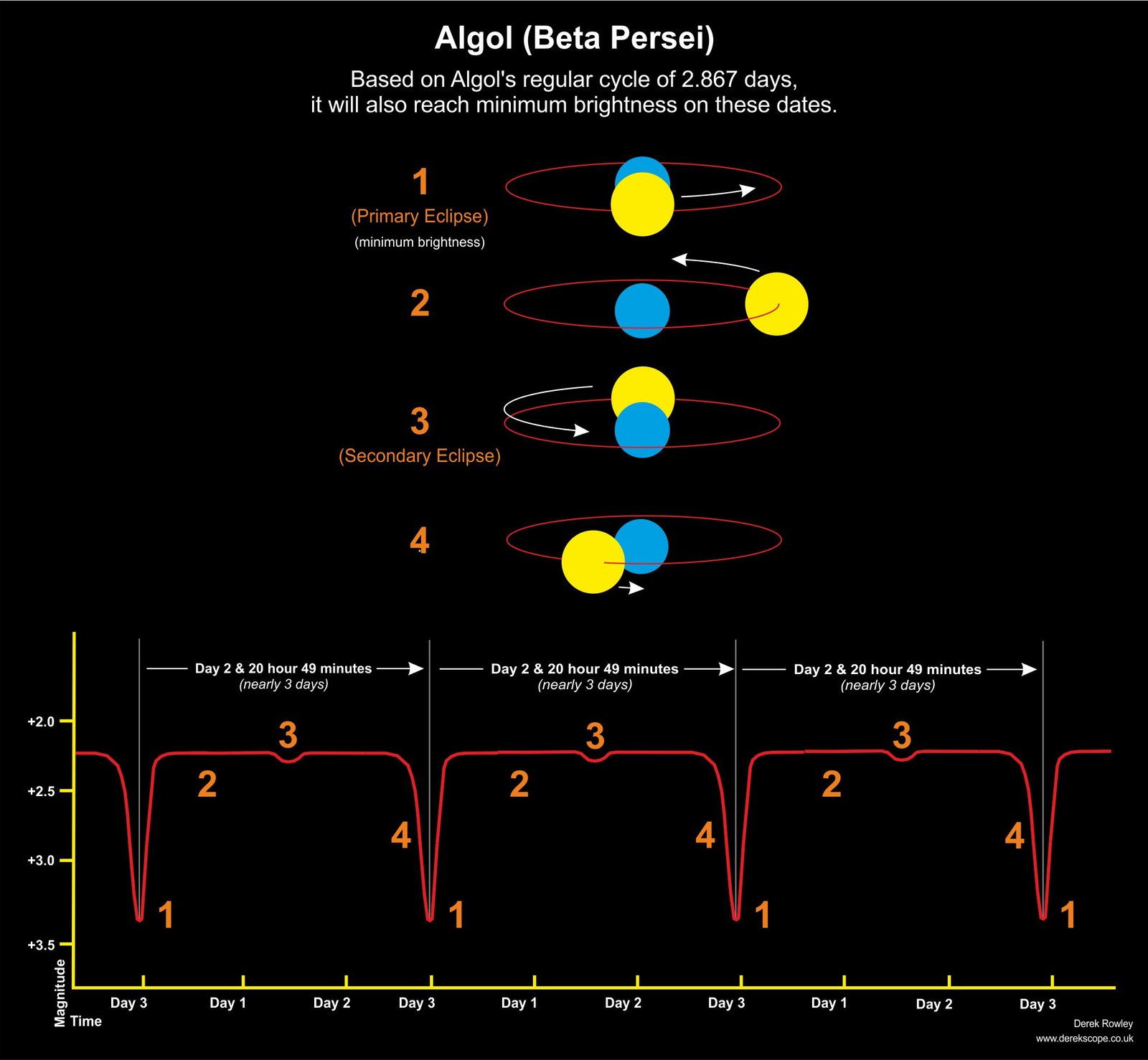
The bright variable star Beta Persei (Algol) reaches its minimum brightness at 23:21 pm in the late evening on Friday 9th January and will be visible from the UK. o
Here’s a list of upcoming minimum brightness times for Algol – read more. o
Posted inHomepage (Posts)|Comments Off on Friday 9th January 2026
The bright variable star Beta Persei (Algol) reaches its minimum brightness at 02:32 am in the early morning on Wednesday 7th January and will be visible from the UK. o
Here’s a list of upcoming minimum brightness times for Algol – read more. o
Posted inHomepage (Posts)|Comments Off on Wednesday 7th January 2026
The full moon on Saturday 3 January 2026 is widely classified as a “Moon After Yule”. (Wolf Moon as US moon folklore name ~ In the UK, we call it – Moon After Yule.) o
The first supermoon of the year, meaning the Moon is nearly at its closest point to Earth (perigee) when it becomes full, so it can appear slightly larger and brighter than a typical full moon. o
Posted inHomepage (Posts)|Comments Off on Today’s Full Moon – Video Clip
The bright variable star Beta Persei (Algol) will reach its minimum brightness at 05:13 am in the early morning on Sunday 4th January and will be visible from the UK. o
Here’s a list of upcoming minimum brightness times for Algol – read more.
oooo
Posted inHomepage (Posts)|Comments Off on Sunday 4th January 2026
The Quadrantid meteor shower will peak on the night of Saturday 3rd January 2026, with the sharp maximum expected in the early hours of Sunday 4th January. o
It is one of the strongest annual showers, but its peak lasts only a few hours. o
Up to 80–120 meteors per hour under ideal dark-sky conditions. o
Unfortunately, a bright full Moon occurs on 3rd January, which will wash out many fainter meteors ~ Observers should block the Moon from view and focus on the brighter Quadrantids. o
The Quadrantids are visible across the entire Northern Hemisphere, including the UK, and they radiate from a point in the sky near the constellation Boötes, close to the Ursa Major (the Plough). o
BSL Version
oooo
Posted inHomepage (Posts)|Comments Off on Sat 3rd thru Sun 4th January 2026