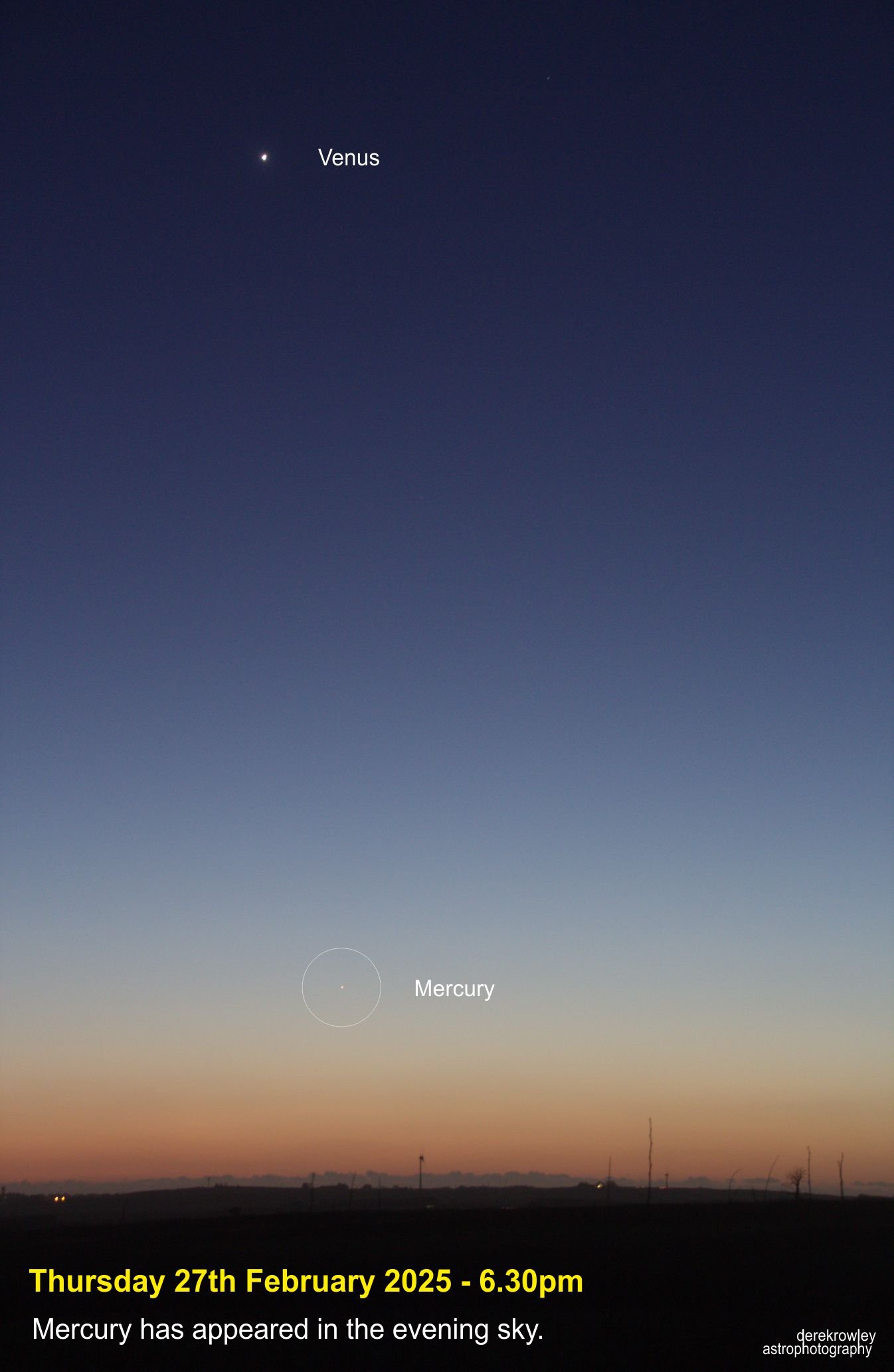
Mercury has made its appearance in the evening sky, you could see Mercury at its best in the evening sky over the next two weeks until until 15th March as the most difficult of naked-eye planets to see Mercury.

BSL
Astronomy
(British Sign Language)




BSL available
at ENS optical
Astronomy Telescope
retailers at Birmingham
Facetime
Derek can help with it.
British Sign Languages
Interest to learn
BSL Basic for fun?
o
More information
for your BSL journey.





BSL available
at Roboscopes
Facetime
Derek can help with it.
Mercury has made its appearance in the evening sky, you could see Mercury at its best in the evening sky over the next two weeks until until 15th March as the most difficult of naked-eye planets to see Mercury.
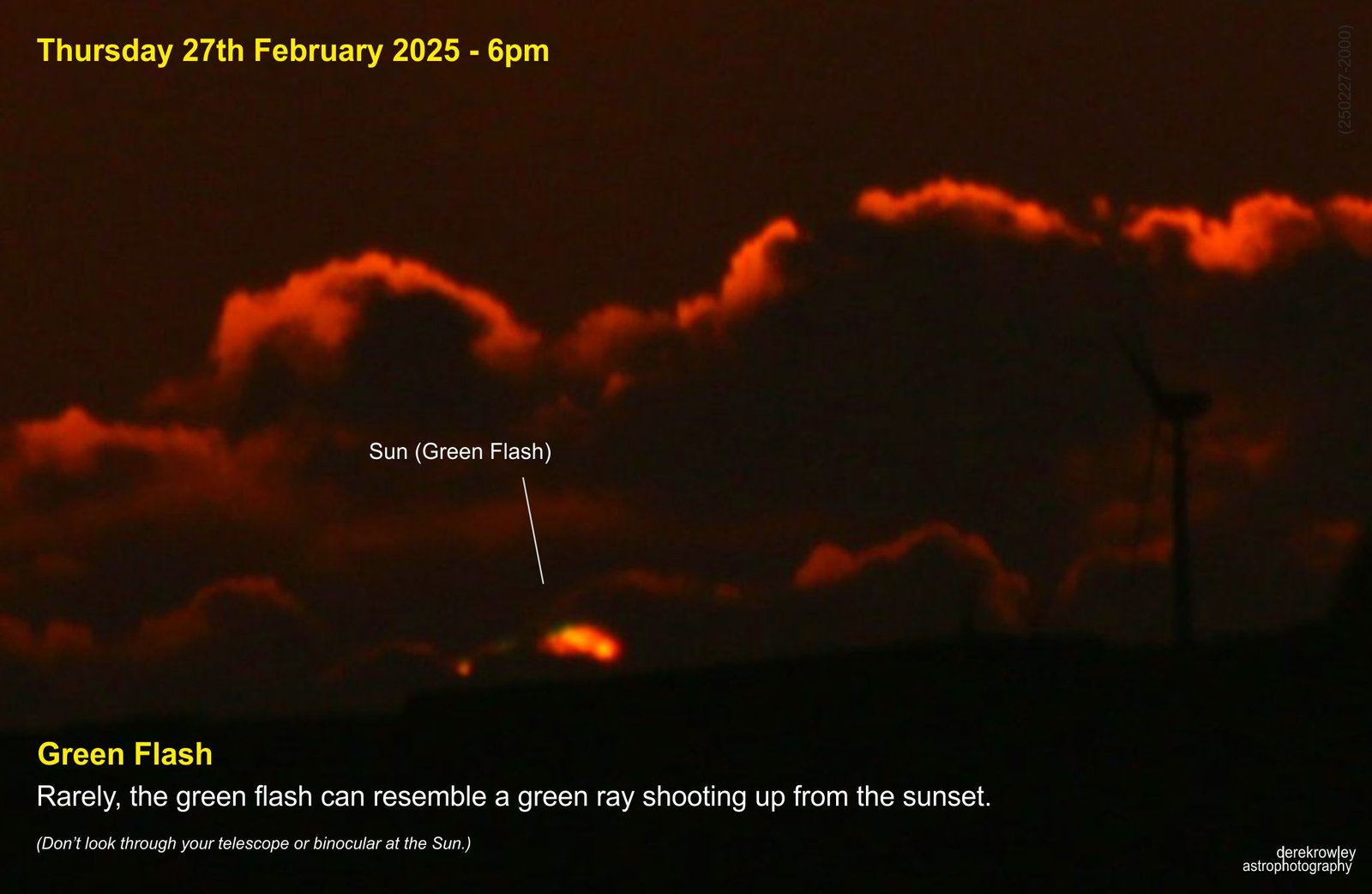
The green flash phenomena that sometimes occur transiently around the moment of sunset – when the conditions are right, a distinct green spot is briefly visible above the Sun’s upper limb; the green appearance usually lasts for no more than two seconds.
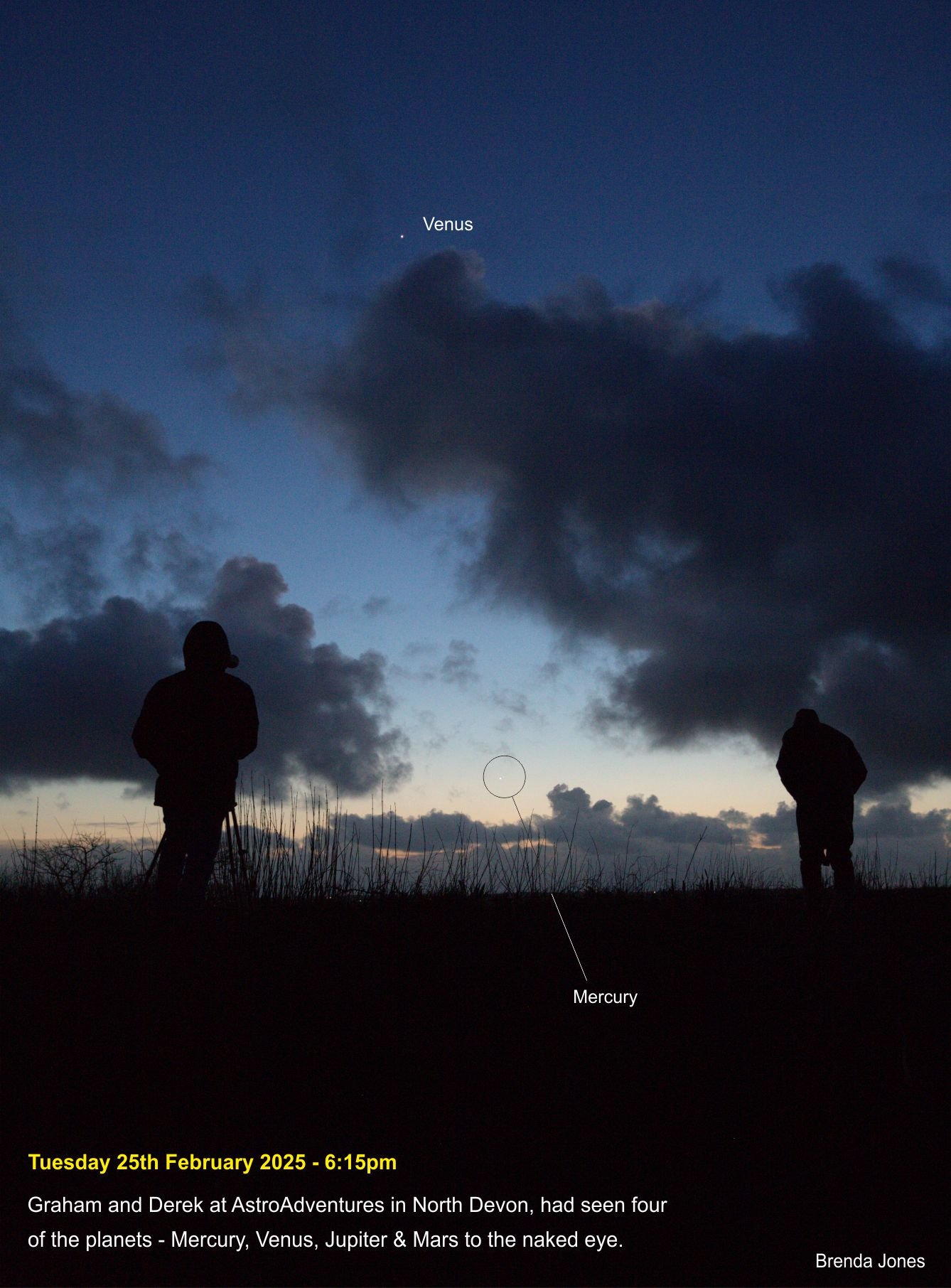
Tonight Graham Jones and me spotted the four of the planets; Mercury, Venus, Jupiter and Mars to a naked eye, meanwhile Brenda Jones captured us to spot the planet, Mercury. (In this photo, Jupiter & Mars are at higher altitude.)
How to sign Mercury in BSL?
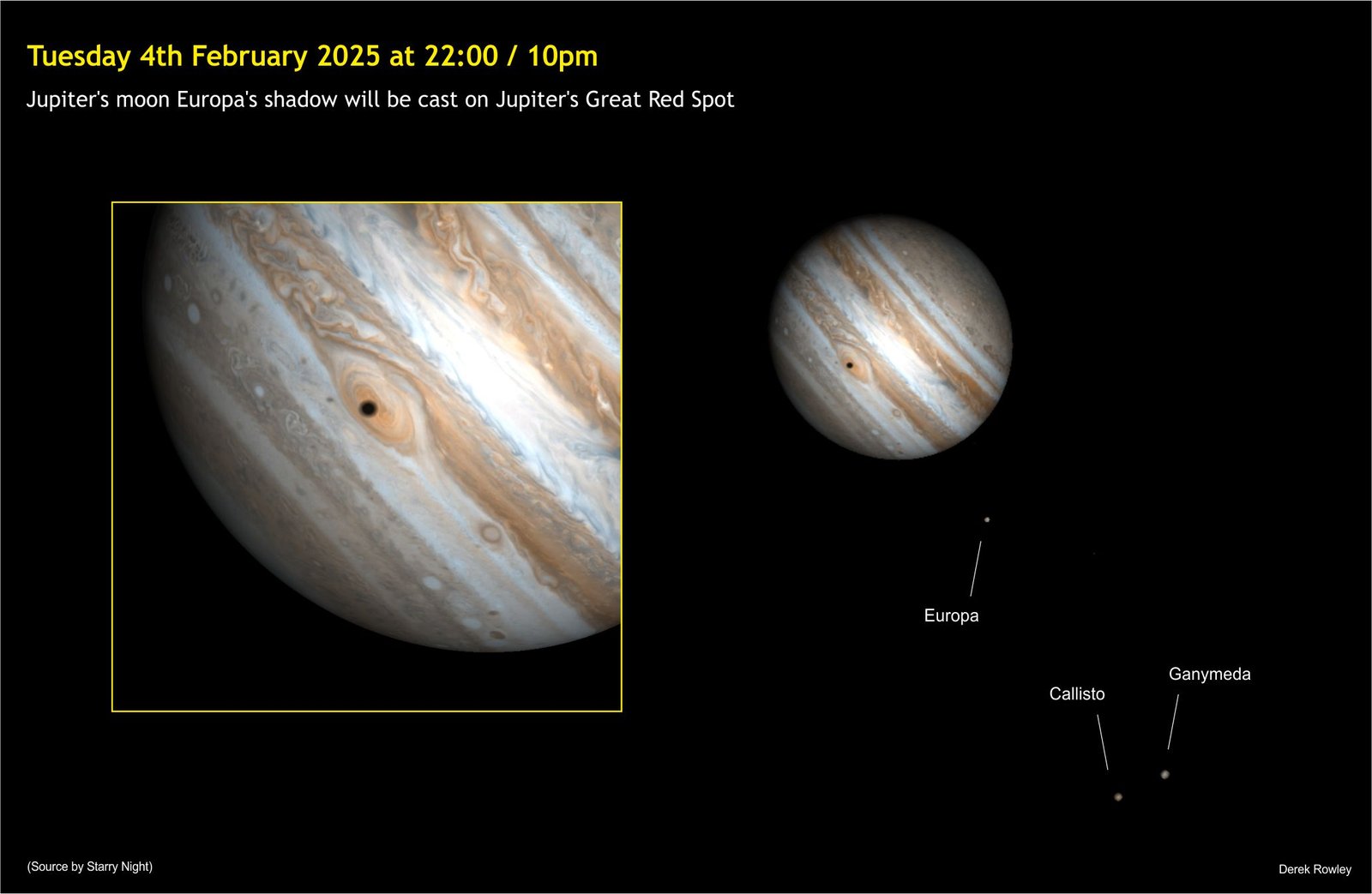
Jupiter’s moon Europa’s shadow will be cast on Jupiter’s Great Red Spot will create a dark spot on the Jupiter’s atmosphere – definitely it will be good opportunity for astrophotography.
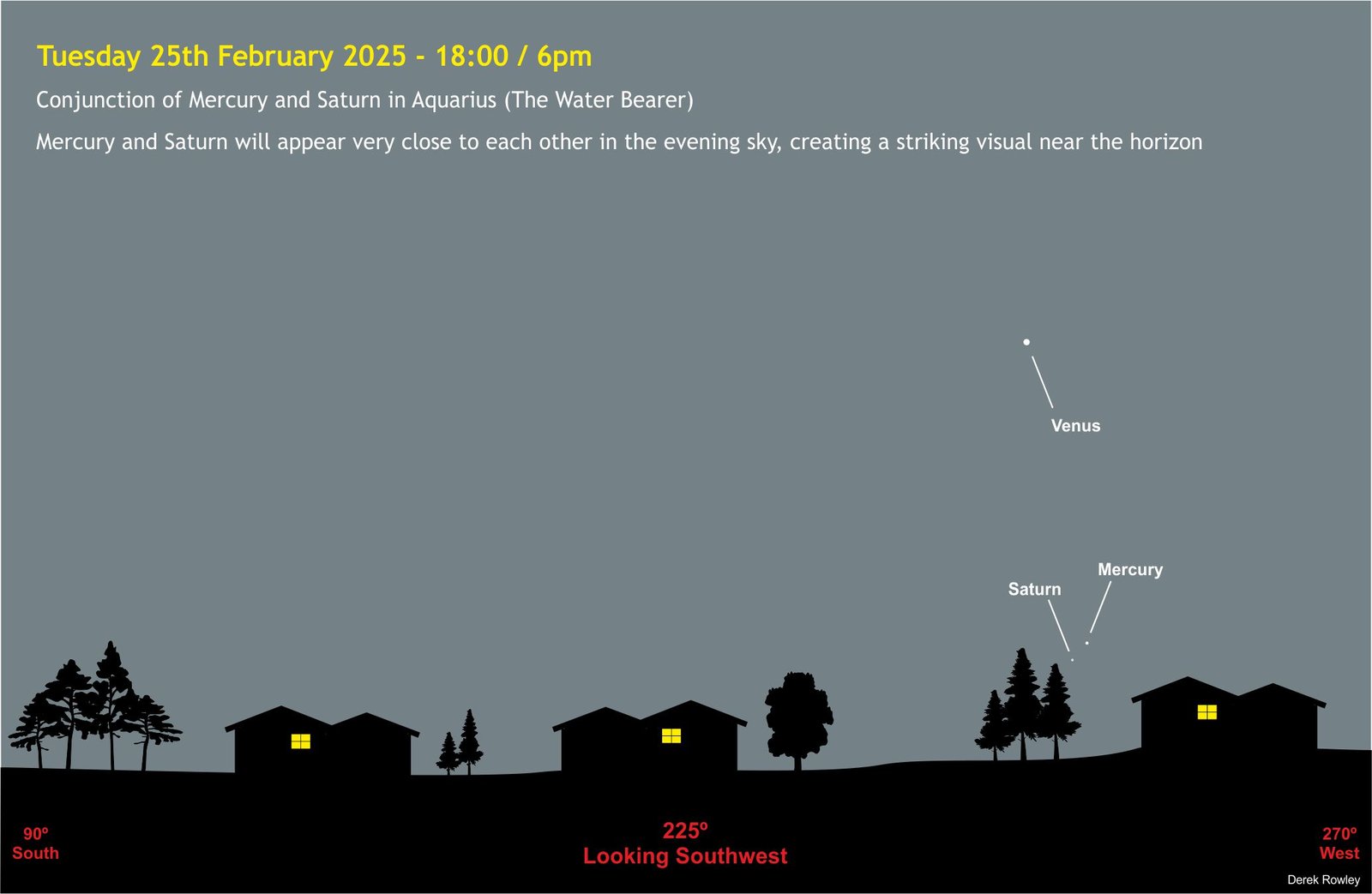
Mercury and Saturn will appear very close to each other in the evening sky, creating a striking visual near the horizon.
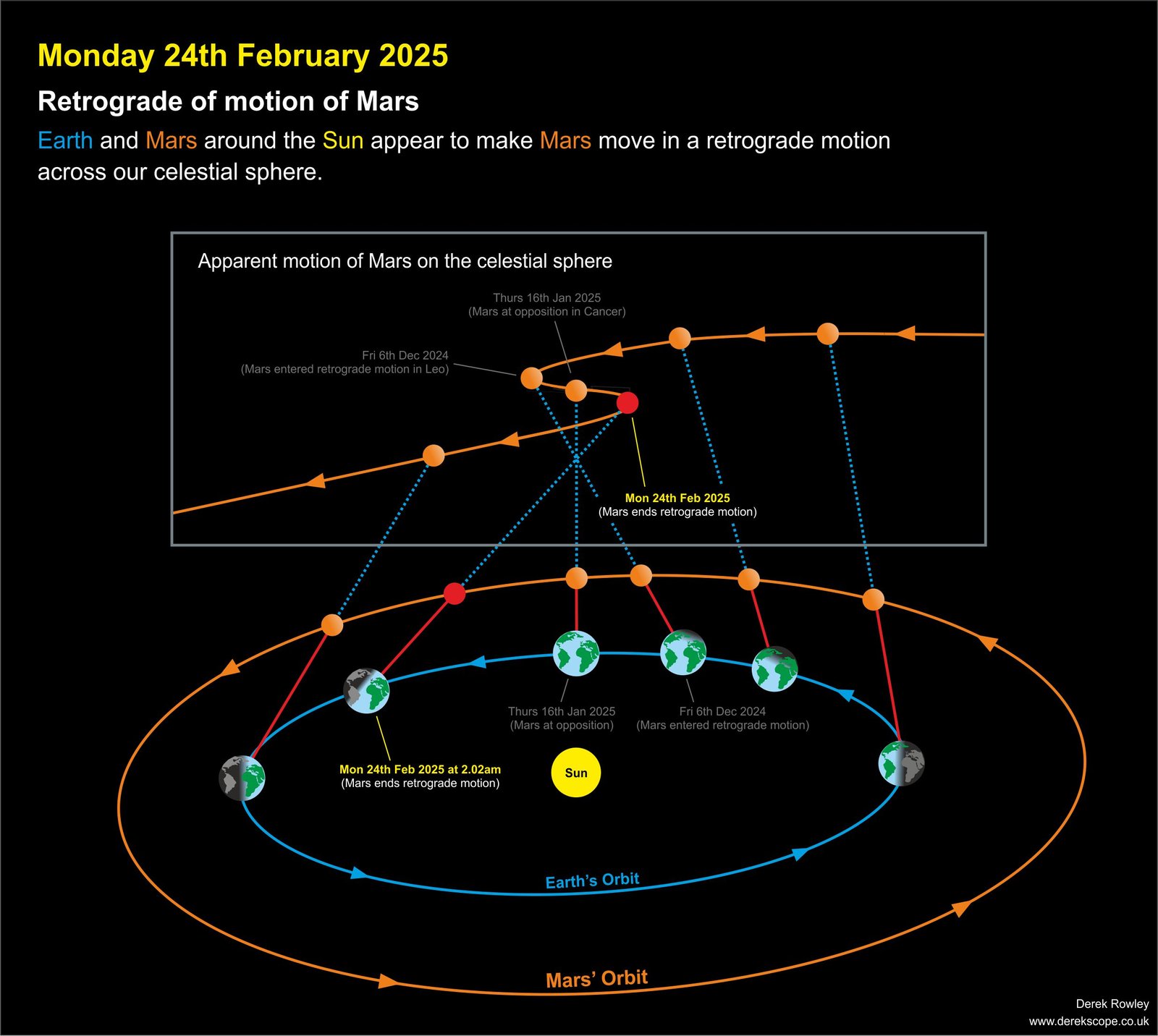
Mars is stationary – the second bend occurs in the constellation Gemini on 24th February 2025, when the planet reverses direction and heads east again.

Antares, often referred to as the “heart” of the Scorpion, is a bright red supergiant star and a key feature in the constellation Scorpius.
oooo
The sight of the Moon near Antares and Messier 4 during the morning twilight must be quite a breath-taking view.
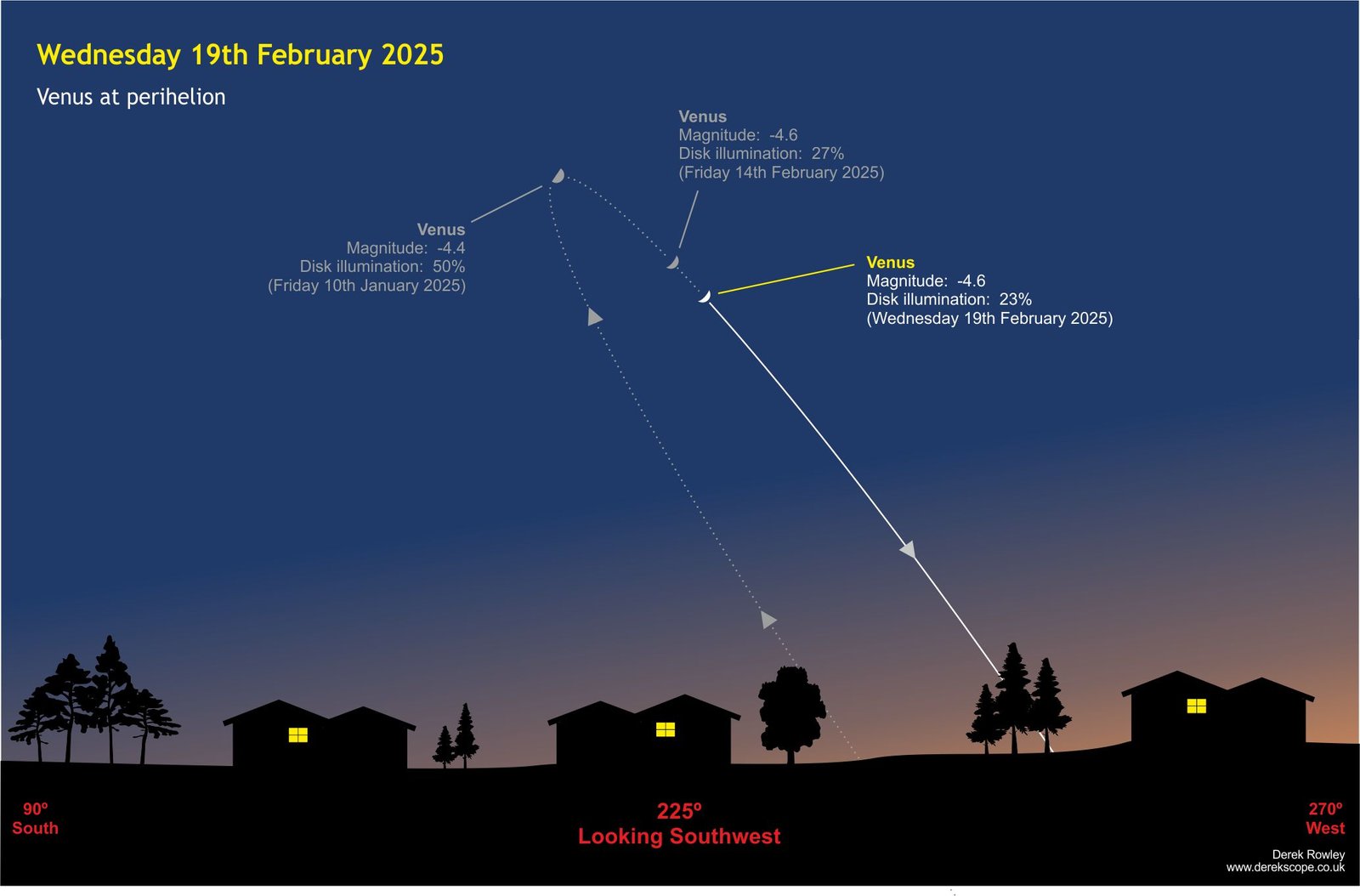
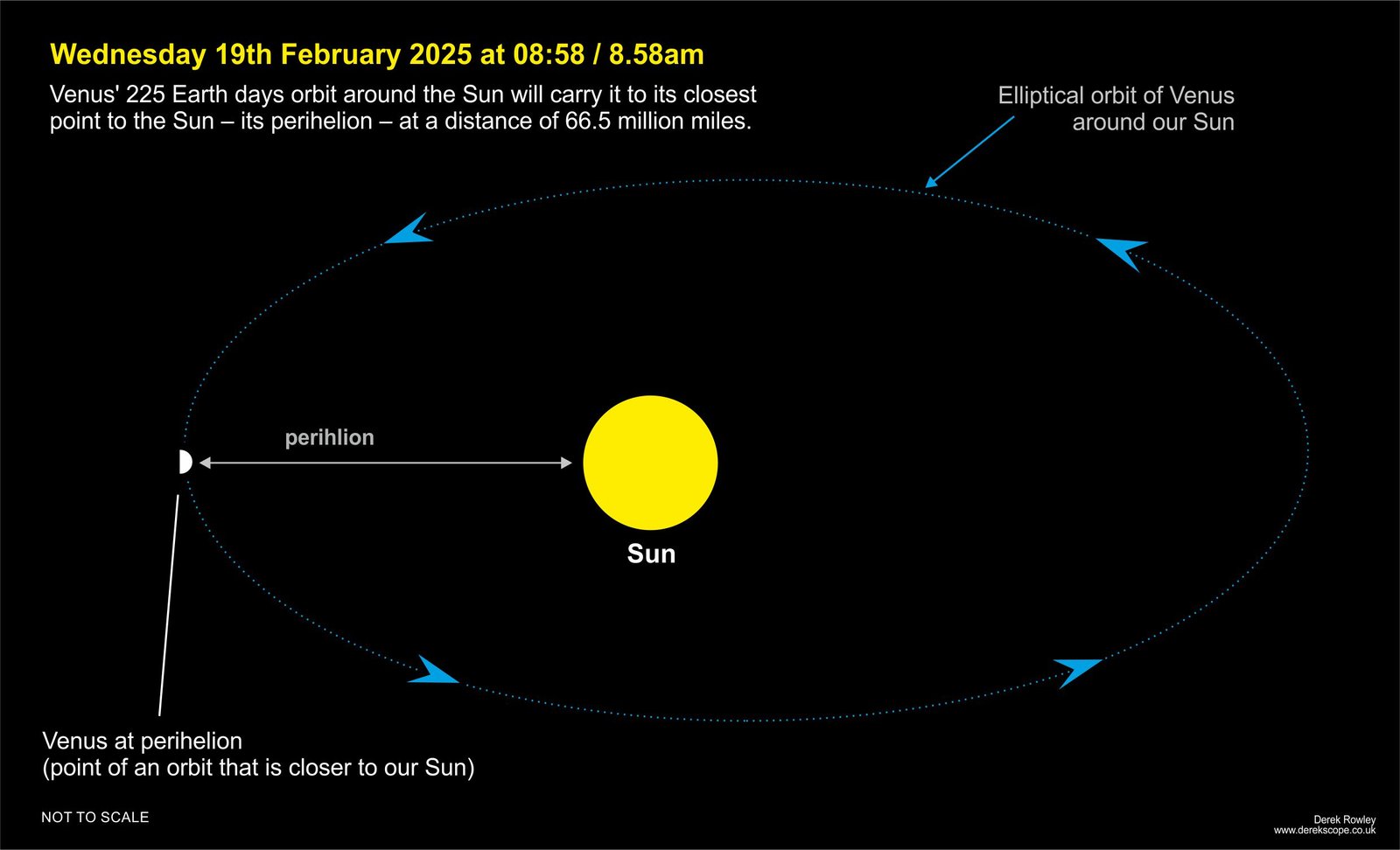
When Venus reaches perihelion, it is at the closest point in its orbit to the Sun ~ this event occurs roughly every 225 Earth days, as Venus completes its orbit around the Sun. At perihelion, Venus is approximately about 66.5 million miles away from the Sun.
o
How to sign perihelion in BSL?
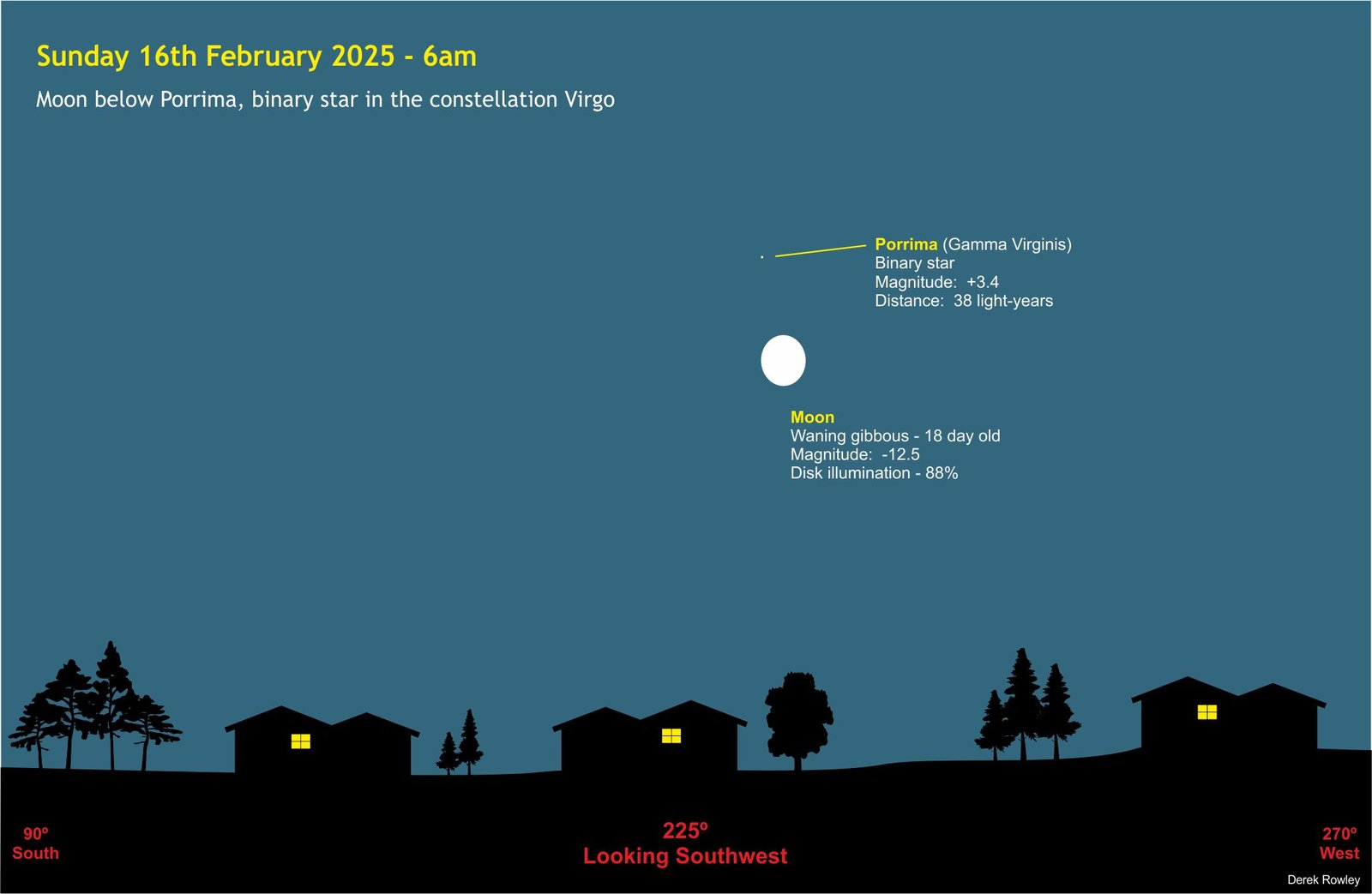
Gamma Virginis , officially named Porrima is a binary star system in the constellation Virgo ~ it consists of two almost identical main sequence stars at a distance of about 38 light-years.
