Monday 12th January 2026

  • Zubenelgenubi is visible to the naked eye under clear, dark sky conditions and can be easily observed with binoculars.
    o
  • Zubenelgenubi (Alpha Librae) is a wide double star: one component shines pale yellow, while the other appears light gray‑white.
    o
  • It is located in the constellation of Libra, the Scales.
  • Naked Eye Visibility
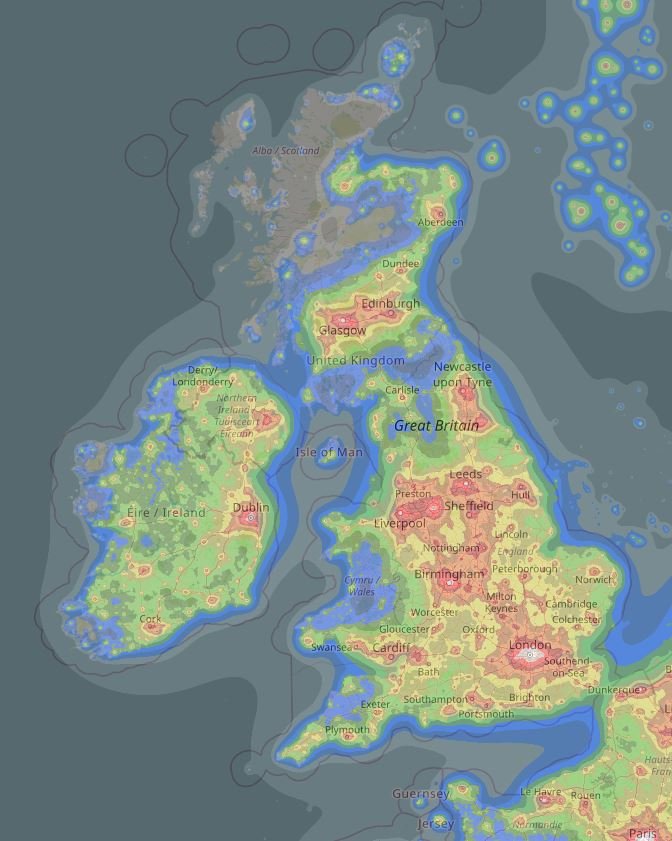
    Zubenelgenubi has an apparent magnitude of 2.75, making it a modestly bright star that is visible without optical aid, even from light-polluted areas.
    o
  • Binocular View
    Using binoculars will reveal that Zubenelgenubi is a fascinating double star system, appearing as two separate points of light.
    o

Posted in Homepage (Posts) | Comments Off on Monday 12th January 2026

Sunday 11th January 2026

  • Spica – it’s actually a spectroscopic binary (double star) in the constellation Virgo, with two massive blue‑white stars orbiting each other about every 4 days.
    o
  • Binoculars
    Even with good binoculars, Spica still appears as one point of light.
    o
  • Telescope
    Only very large professional telescopes (or advanced spectroscopic equipment) can detect the two stars ~ they’re separated by less than 0.1 arcseconds — far below the resolution of amateur telescopes.
    o

Posted in Homepage (Posts) | Comments Off on Sunday 11th January 2026

Saturday 10th January 2026

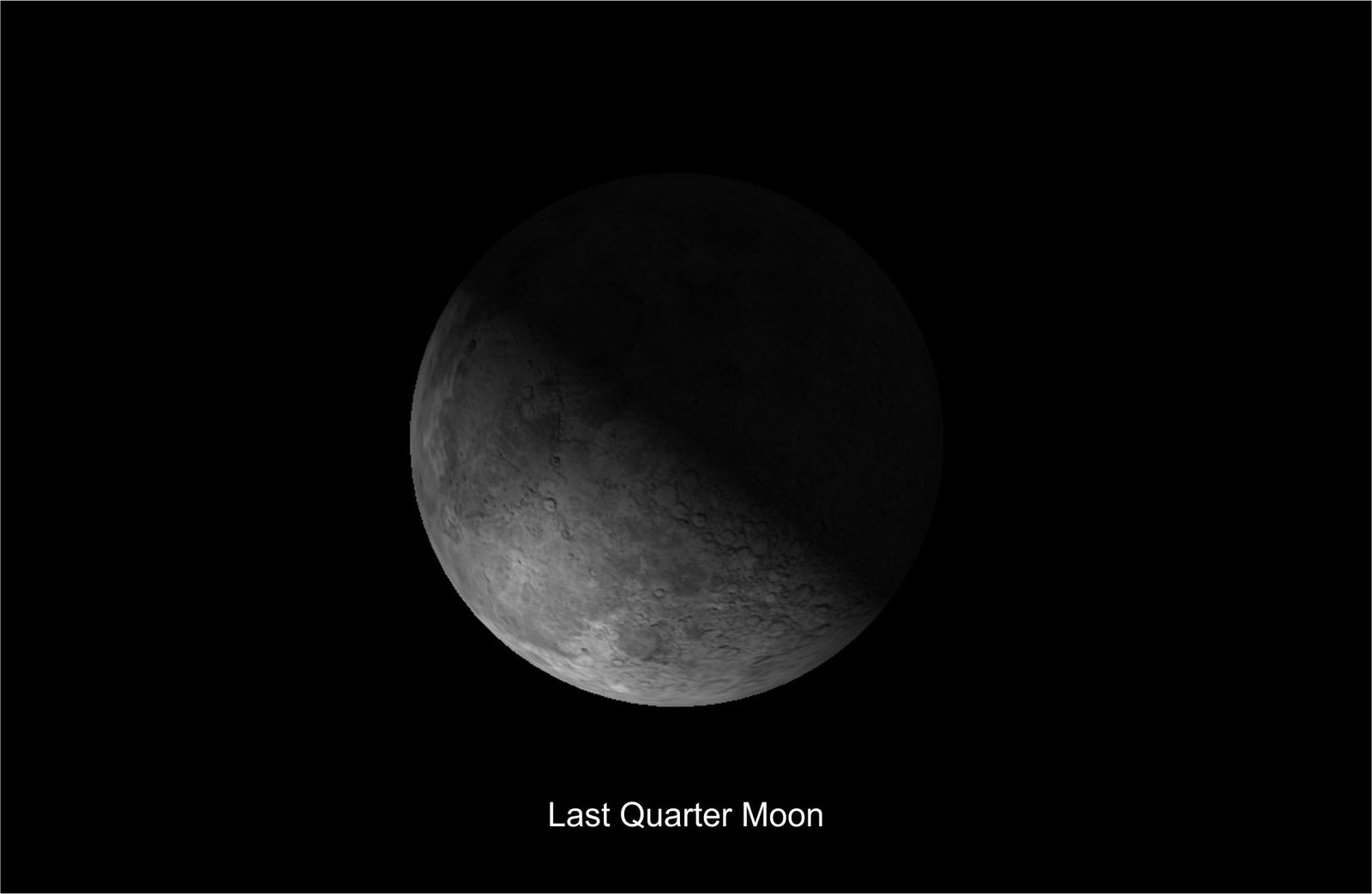
  • The Last Quarter Moon occurs on Saturday 10th January 2026, at 10:49 am.
    o
  • It will be visible from the night sky into the daylight, with moonrise at 01:29am and moonset at 12:11pm.
    o

Posted in Homepage (Posts) | Comments Off on Saturday 10th January 2026

Saturday 10th January 2026

  • Jupiter reaches opposition, meaning Earth is directly between the Sun and Jupiter at 08:34am in the constellation Gemini (The Twin).
    o
  • This is when the giant planet is closest, brightest, and visible all night long.
    o

Posted in Homepage (Posts) | Comments Off on Saturday 10th January 2026

Fri 9th thru Sat 10th January 2026

  • Jupiter reaches opposition and is at its closest distance to Earth for the year.
    o
  • At opposition, Jupiter is not only closest but also largest in apparent size, making details easier to see.
    o

Observing Tips

  • Binoculars (7×50 or 10×50)
    Spot the four Galilean moons.
    o
  • Small telescope (80–100mm)
    See cloud bands and the Great Red Spot.
    o
  • Medium telescope (150mm+)
    Watch moon shadows crossing Jupiter’s disk.
    o
  • Urban observers
    Jupiter is bright enough to cut through light pollution,
    so even city skies offer a good view.
    o

Posted in Homepage (Posts) | Comments Off on Fri 9th thru Sat 10th January 2026

Friday 9th January 2026

Algol Minima

o

  • The bright variable star Beta Persei (Algol) reaches its minimum brightness at 23:21 pm in the late evening on Friday 9th January and will be visible from the UK.
    o
  • Here’s a list of upcoming minimum brightness times for Algol – read more.
    o

Posted in Homepage (Posts) | Comments Off on Friday 9th January 2026

Friday 9th January 2026

  • Mars will be in solar conjunction with the Sun, making it completely unobservable.
    o
  • At this time in late morning at 11:07am, Mars lies on the far side of the solar system from Earth, hidden in the Sun’s glare.
    o

Posted in Homepage (Posts) | Comments Off on Friday 9th January 2026

Wednesday 7th January 2026

Algol Minima

o

  • The bright variable star Beta Persei (Algol) reaches its minimum brightness at 02:32 am in the early morning on Wednesday 7th January and will be visible from the UK.
    o
  • Here’s a list of upcoming minimum brightness times for Algol – read more.
    o

Posted in Homepage (Posts) | Comments Off on Wednesday 7th January 2026

Tuesday 6th January 2026

  • Venus is hidden in the Sun’s glare, so it cannot be observed safely.
    o
  • Because of alignment : Earth > Sun > Venus, all in a straight line at 17:10 / 5.10pm.
    o
  • Superior conjunction happens about every 584 days. / 1.6 calendar year.
    o

Posted in Homepage (Posts) | Comments Off on Tuesday 6th January 2026

Sun 4th & Mon 5th January 2025

  • The Moon will pass close to Messier 44 (the Beehive Cluster) on both Sunday 4th and Monday 5th January 2026.
    o
  • The Moon’s brightness will wash out much of the Beehive’s faint stars, but binoculars will still reveal the brighter groups of stars.
    o

Posted in Homepage (Posts) | Comments Off on Sun 4th & Mon 5th January 2025